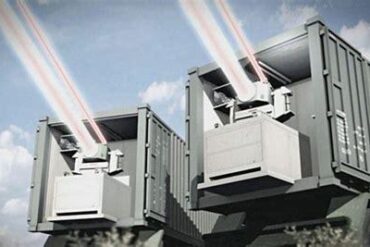
The British Government has unveiled a £5 billion defence technology package aimed at propelling the country to the forefront of military innovation. Spearheaded by Defence Secretary John Healey, the strategic investment will allocate £4 billion toward drones and autonomous warfare systems, with an additional £1 billion earmarked for laser-based directed energy weapons. This monumental shift signals the UK’s intent to modernize its military might in line with the Strategic Defence Review, which prioritizes battlefield automation, artificial intelligence, and low-cost air defence solutions.
£4 Billion Drone Investment: The Rise of Autonomous Warfare
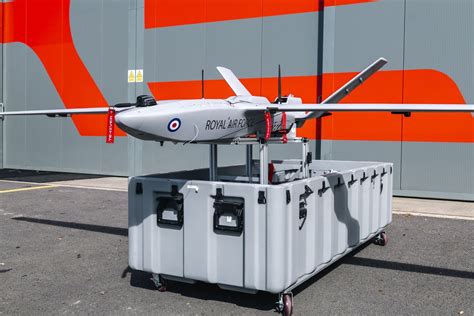
The bulk of the funding—£4 billion—will be channelled into expanding and accelerating drone capabilities across the Royal Navy, British Army, and Royal Air Force. With autonomous systems now a proven force multiplier on the battlefield, particularly evidenced in the Ukraine-Russia conflict, this investment acknowledges a new combat reality where uncrewed aerial vehicles (UAVs) are fast becoming central to modern military doctrine.
John Healey emphasized that British troops must be equipped with the “kit of the future”, not only to maintain operational superiority but also to reduce human risk in hostile environments. Drones now reportedly account for up to 80% of battlefield casualties, overtaking conventional artillery in lethality. This figure was highlighted during an April meeting of allied defence ministers, positioning UAV dominance as a NATO-wide strategic imperative.
The new funding will support:
- Expanded drone deployment across all three armed services
- Procurement of next-gen surveillance and combat drones
- Increased focus on AI-driven targeting and navigation systems
- A cross-service drone innovation hub, dedicated to fast-tracking R&D
The Strategic Drone Centre: Innovation Engine for UK Defence
At the heart of the plan is the creation of a centralised Drone Centre—a facility designed to accelerate the testing, integration, and rollout of UAVs across the full spectrum of military operations. This centre will serve as a multi-force collaboration zone, promoting synergy between government, defence contractors, and academic institutions.
Its purpose is clear: to cut bureaucratic lag, enable faster deployment cycles, and harness British industrial strength in aerospace, AI, and precision engineering. The centre is expected to be operational by late 2025 and will play a pivotal role in delivering battlefield-ready systems within compressed timeframes.
Incorporating lessons from ongoing theatres of war, such as Ukraine, the centre will push innovations in swarm drone tactics, loitering munitions, and anti-drone countermeasures. Healey’s ambition is to ensure British armed forces remain not only protected but dominant in any aerial engagement scenario.
£1 Billion Laser Weaponry Boost: Directed Energy Enters the Arsenal
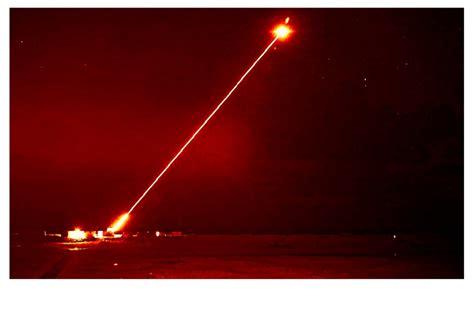
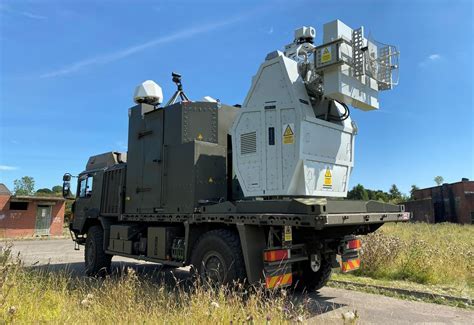
Complementing the drone programme is an equally ambitious £1 billion investment in directed energy weapons (DEWs)—chief among them the much-anticipated DragonFire laser system. Scheduled to be installed on Type 45 destroyers by 2027 and adapted for Army use by decade’s end, DragonFire represents a paradigm shift in defence economics.
Where traditional interceptor missiles can cost tens of thousands of pounds per shot, DragonFire is estimated to fire for just £10 per blast, offering a sustainable and scalable solution to threats such as:
- Low-flying drones
- Incoming rockets and artillery
- Small aircraft or missile swarms
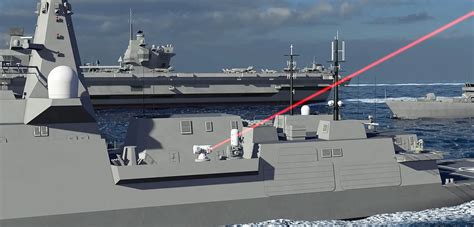
DragonFire is a product of UK-led collaboration, involving defence firms such as MBDA, Leonardo, and QinetiQ, and has already passed critical tests in targeting and beam stability. The system uses high-energy lasers capable of heating targets to destructive levels with pinpoint accuracy—delivering not only physical destruction but electronic disruption of key components mid-air.
The decision to fast-track this technology aligns with NATO priorities to develop non-kinetic, precision defence systems that offer speed-of-light engagement while dramatically reducing logistical costs and ammunition dependencies.
Strategic Defence Review: Technology as the New Deterrent
This £5 billion investment is a direct response to the latest Strategic Defence Review, which stresses the urgent need for technologically advanced deterrents in an increasingly unpredictable global landscape. With state and non-state actors both rapidly developing drone swarms, cyber warfare tools, and asymmetric tactics, the UK aims to remain technologically unmatched among NATO peers.
Healey’s doctrine marks a departure from legacy-centric spending. Instead of investing heavily in traditional heavy armour or manned fighter craft, this budget leans into modularity, interoperability, and autonomy. The hope is to build a British military that can:
- Respond faster than adversaries
- Adapt to hybrid warfare environments
- Maximise effect while minimising cost and risk
This recalibration reflects real-world intelligence: Ukrainian battlefield data shows that quickly deployable UAVs and mobile laser defences are changing the very nature of attritional warfare. The UK seeks not only to learn from these engagements but to lead the next evolution of military preparedness.
The NATO Context: Strengthening the Alliance Through Innovation
Healey’s initiative places Britain at the innovation vanguard within NATO’s defence framework. As member states scramble to integrate smart technologies and AI into command structures, the UK’s early investment could shape alliance-wide strategies on battlefield autonomy and energy-based defence systems.
The strategic vision includes:
- Greater joint development programs with allies
- Shared testing and interoperability of new systems
- Unified doctrinal changes around unmanned and energy-based platforms
This integration is crucial as NATO shifts its posture to deter both Russian aggression in Eastern Europe and the rising technological assertiveness of China. British investments are expected to influence alliance procurement standards and establish new operational benchmarks for future combat readiness.

Economic and Industrial Impacts: A Boost for UK Defence Sector
Beyond the battlefield, this programme promises a transformative effect on the UK’s defence and tech manufacturing sectors. The commitment to “backing British industry” could create thousands of high-skill jobs in:
- Aerospace engineering
- Military-grade AI development
- Laser optics and photonics
- Defence software systems
Defence contractors and SMEs alike stand to benefit from rapid procurement cycles, export opportunities, and long-term research grants. The Drone Centre itself is expected to attract global attention and potential co-development partners, amplifying the UK’s standing as a global defence R&D leader.
While some critics may question the prioritisation of futuristic technologies amid wider defence budget constraints, the Government maintains that this is investment, not expense—a recalibration designed to extract maximum military and economic return from every taxpayer pound.
DragonFire and the Future Battlefield
As the UK prepares to field laser-based weapons, it becomes one of only a handful of countries experimenting with operational DEWs. These weapons will eventually serve not just defensive roles but tactical deterrents, giving commanders more flexible options across land, sea, and air.
By pairing DEWs like DragonFire with AI-enhanced drones, British forces will gain the ability to intercept, neutralise, or outmanoeuvre threats in seconds, long before they threaten critical assets. It represents not just a shift in hardware but a leap forward in tactical doctrine.
The pairing of autonomous platforms with cost-effective energy weapons is a strategic masterstroke, one that could allow the UK to maintain decisive superiority even in budget-constrained theatres. As warfare evolves, so too must the tools—this package sets a firm foundation for a next-generation British military force.
Conclusion: From Announcement to Action
Healey’s £5 billion announcement is not just a funding commitment—it is a blueprint for modernisation. It brings the UK into line with the pace of global military innovation and establishes its intent to be a technological leader within NATO and beyond.
As drone warfare grows deadlier and defence budgets tighten globally, the focus on low-cost, high-impact systems becomes not only strategic but essential. With investments in AI, autonomy, and directed energy now cemented into national policy, the UK has fired a laser-precise signal: the future of war will be fought by machines, directed by algorithms, and defended by beams of light—and Britain intends to lead it.