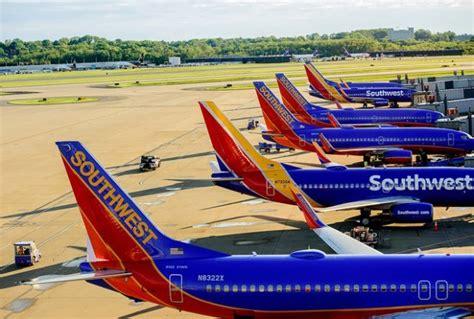
Once hailed as the “airport of the future,” Pittsburgh International Airport (PIT) witnessed a dramatic collapse after its heyday in the 1990s. With over 20 million passengers annually and serving as a major hub for US Airways, PIT was a beacon of regional and national connectivity. But following US Airways’ bankruptcy and hub closure in 2004, the airport plunged into a steady decline, becoming a shell of its former self.
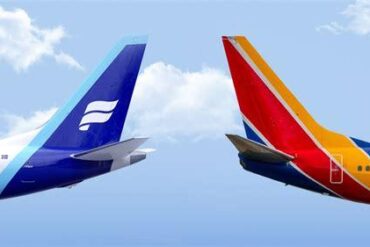
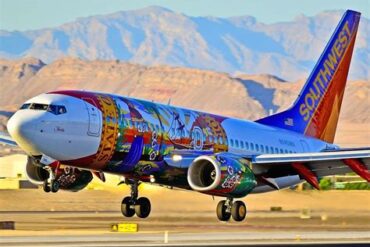
Yet out of this downturn emerged an unexpected savior: Southwest Airlines. What began as a modest market entry in 2005 grew into a critical lifeline for an airport on the brink. Today, Southwest’s presence has not only stabilized PIT but helped it thrive once again. This is the story of how Southwest Airlines didn’t just serve Pittsburgh—it saved it.
A Legacy Derailed: The Rise and Fall of a Regional Powerhouse
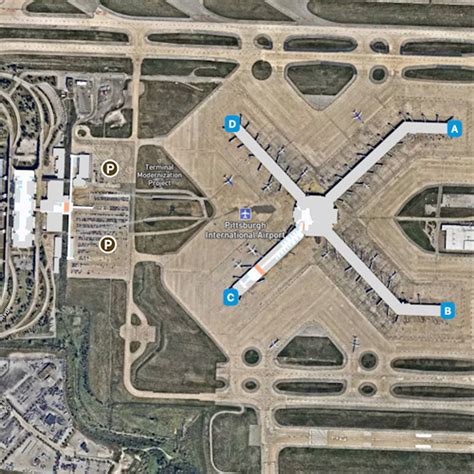
PIT, located just ten miles west of downtown Pittsburgh, had once stood tall among America’s most important aviation hubs. When the $1 billion X-shaped terminal opened in 1992, it symbolized modernization. US Airways operated more than 500 daily flights and employed over 11,000 people locally. But the airline’s financial instability, worsened by post-9/11 disruptions, led to its abandonment of the Pittsburgh hub in 2004.
The consequences were immediate. Passenger volumes plummeted. Terminal gates were shuttered. Jobs vanished. The once vibrant retail concourses turned into silent halls of lost opportunity. Efforts in the late 2000s to attract carriers like Allegiant and Frontier helped marginally, but no airline offered the sustained volume or investment needed for full recovery—until Southwest Airlines stepped in.
Southwest’s Strategic Entry in 2005: A Turning Point
In May 2005, Southwest Airlines inaugurated service at PIT, introducing affordable, point-to-point connections to vital domestic markets like Chicago Midway, Baltimore/Washington, and Orlando. This was not a replication of US Airways’ legacy hub model, but rather a streamlined, cost-efficient operation tailored to leisure and business travelers alike.
From day one, Southwest made a commitment to accessibility and frequency. While legacy carriers had left gaps, Southwest bridged them with its unique model of quick turnarounds, no hidden fees, and a friendly service reputation. Even more importantly, its financial health allowed for steady expansion.
Sustained Growth and Market Leadership
Over the next decade, Southwest Airlines consistently increased its presence at PIT, adding service to Denver, Dallas Love Field, Las Vegas, and Phoenix, among others. Unlike other carriers that treated Pittsburgh as an afterthought, Southwest positioned the city as a crucial origin and destination (O&D) market.
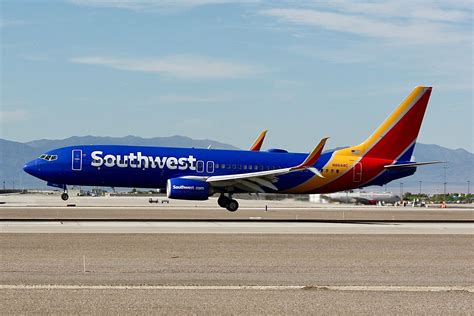
By the late 2010s, Southwest surpassed American Airlines as the largest airline at PIT by market share, accounting for a commanding 26% of passenger traffic. The airport, which saw just 7.8 million travelers in 2013, surged to over 10 million in 2024, thanks largely to the consistent volume brought in by Southwest.
Economic Revival and Infrastructure Expansion
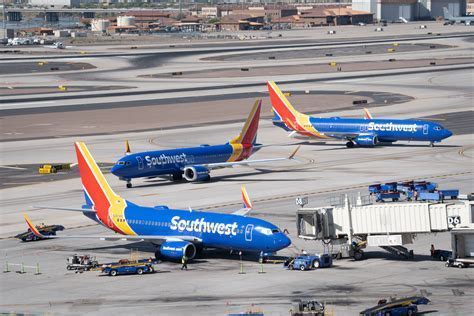
Southwest’s growth wasn’t just good for travelers—it was transformative for the local economy. Thousands of indirect jobs, from baggage handlers to hoteliers, were preserved or created. Meanwhile, the airline’s operational stability encouraged the Allegheny County Airport Authority to dream bigger.
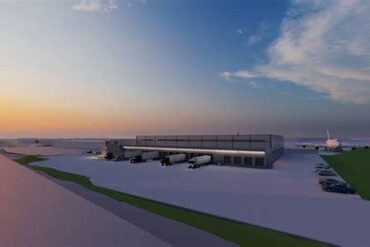
In 2019, PIT began work on a $1.7 billion terminal modernization project, with a new consolidated landside terminal set to open in late 2025. The facility will feature:
- A 3,300-space parking garage
- A streamlined TSA checkpoint
- A 1,300-foot access bridge
- Expanded concessions and retail zones
- Clean energy infrastructure powered by solar and natural gas
Notably, the project was funded entirely by private borrowing, with zero taxpayer burden. This bold move was made possible largely because of airline confidence, spearheaded by Southwest’s unwavering commitment to PIT.
A Competitive Yet Stable Landscape
Today, Pittsburgh International Airport operates like a textbook example of a diversified mid-market airport, serving as a home base for both legacy and low-cost carriers. Based on current figures:
- Southwest Airlines – 26%
- American Airlines – 16%
- Delta Air Lines – 10%
- Spirit Airlines – 10%
- Republic Airways – 10%
British Airways even operates seasonal flights to London Heathrow, while regional carrier Southern Airways Express maintains a hub at PIT. But make no mistake—Southwest remains the backbone of the airport’s air service network.
Cultural Impact and Local Recognition
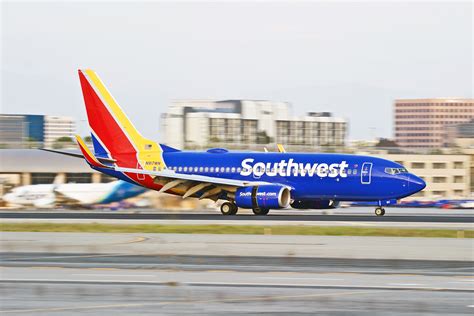
What’s remarkable is how Southwest Airlines became more than just a carrier. It became part of the Pittsburgh identity. Residents now regard the airline as not only reliable but loyal—a rare attribute in a volatile industry.
Its branding, presence, and accessible pricing have made it the go-to airline for a wide cross-section of travelers. From business commuters flying to Dallas to families heading to Disney World, Southwest has become PIT’s people’s airline.
When British Airways CEO recently visited the construction site of the new terminal and called it a “vision of the future,” it was not just a nod to the infrastructure—it was a recognition of a complete turnaround story, powered by public-private alignment and Southwest’s strategic investment.
What’s Next: A Vision for 2025 and Beyond
With the new terminal nearing 90% completion and an official opening date set for Q4 2025, the final phase includes:
- Digital wayfinding installations
- Flooring, escalators, and ticket counters
- Final cosmetic and security system setups
The legacy 1992 terminal’s future remains uncertain, but speculation points toward either partial decommissioning or adaptive reuse. What is clear, however, is that operations will fully transition to the new facility—ushering in a new era of aviation for Pittsburgh.
Southwest Airlines’ continued commitment will be key in maximizing the potential of this new terminal. More routes, larger aircraft, and deeper integration with PIT’s master plan could propel the airport to its highest levels yet.
Conclusion: A Rescue Mission That Rewrote History
What Southwest Airlines achieved at Pittsburgh International Airport goes beyond numbers. It revived a critical economic engine, restored regional pride, and rewrote the script on how low-cost carriers can fill the void left by failing legacy giants.
From a single inaugural flight in 2005 to becoming the dominant carrier by 2025, Southwest didn’t just save Pittsburgh’s airport. It helped redefine it.
This is not just a success story. It’s a case study for airport authorities, city planners, and airlines around the world on how strategic partnerships, operational resilience, and passenger-first policies can reshape an entire city’s relationship with air travel.
And in this case, it all started with one airline willing to bet on a city others had written off.