Security awareness training has become a non-negotiable compliance standard for all Certified Flight Instructors (CFIs) and flight school staff in the United States, regardless of whether they instruct domestic or international students. Recent updates in TSA regulations have further emphasized the importance of this requirement, mandating an initial training session followed by a biennial refresher for anyone involved in flight instruction. This shift has generated considerable confusion within the aviation training community, especially among newly appointed CFIs trying to determine their responsibilities under federal law.
The reality is clear: every flight instructor must complete TSA security awareness training. This obligation includes CFIs working exclusively with U.S. citizens. The rationale behind this blanket requirement is straightforward—aviation security is a matter of national interest, and instructors occupy a pivotal position in safeguarding against potential threats by virtue of their proximity to aircraft, students, and sensitive training protocols.
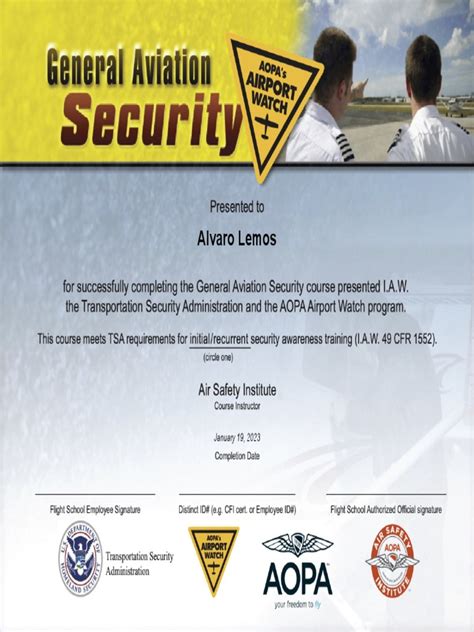
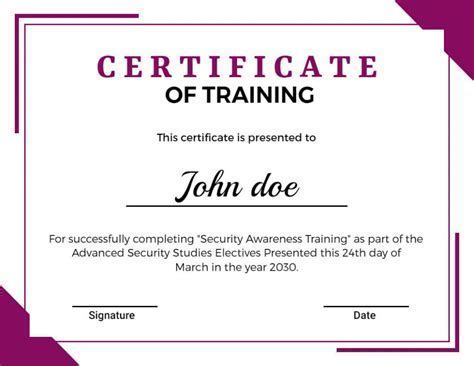
In practice, this training is both accessible and concise. Organizations such as the Aircraft Owners and Pilots Association (AOPA) offer free online modules that fulfill the TSA requirement. Upon completion, instructors receive a certificate of completion, which they must retain and also submit to their employing flight school.
Understanding the Legal Mandate
The legal framework for security awareness training was introduced post-9/11 under the TSA’s 49 CFR Part 1552, which specifically governs flight school security. It stipulates that flight school employees, including instructors, must undergo initial and recurrent training regardless of student nationality. The only exceptions apply to administrative personnel who have no direct contact with students or aircraft operations.
Initially, the rule required annual refresher courses, but this was later amended to a biennial cadence, easing the burden on instructors while maintaining regulatory oversight. Unfortunately, not all CFIs stay updated on these changes, especially if their training organizations fail to communicate internal compliance expectations effectively.
Consequences of Non-Compliance
Non-compliance carries significant risks. For instructors, the failure to complete or document security awareness training can lead to administrative penalties, revocation of instruction privileges, or TSA investigations into the training organization. For flight schools, the risk is magnified. Flight training providers must track and verify compliance, maintaining certificates on file for all active instructional staff.
Instructors who are unaware of their responsibilities often operate under a false assumption that training only applies when teaching international students. This is a dangerous misconception. Security threats do not discriminate by student origin, and the law is explicitly universal in its application.
How to Access the Training
The training can be completed through several online platforms, but the most commonly recommended source remains the AOPA Online Learning Portal. Even non-members can access the TSA training module at no cost. The course duration is approximately 45 minutes, and it concludes with a short assessment. Passing this quiz generates a printable certificate, which should be saved digitally and physically.
Upon completion:
- Print the certificate for inclusion in your logbook.
- Email a digital copy to your Chief Flight Instructor or designated school administrator.
- Ensure your name is logged in the school’s training compliance records.
Who Must Complete the Training?
According to the TSA, the following individuals must complete initial and recurrent security awareness training:
- Certified Flight Instructors (CFIs)
- Ground Instructors who interact with students
- Check airmen and designated examiners affiliated with the flight school
- Any flight school personnel who have unescorted access to aircraft or interact directly with students
Even independent CFIs operating under a freelance model are not exempt. If they provide instruction in a Part 61 or 141 environment or interact with any flight school infrastructure, they fall under the rule.
Common Misconceptions Debunked
The aviation community, particularly on platforms like Reddit’s r/flying, frequently debates the nuances of the requirement. Misunderstandings often stem from outdated guidance or informal advice passed along without verification.
For example, one user shared, “I’ve heard some people tell me I need to [take the training] and others tell me I don’t.” That confusion is a direct consequence of the regulatory update from annual to biennial refreshers, which many mistakenly interpret as a reduction in compliance requirements.
The correct interpretation is: all CFIs must complete initial training before instructing, and then a refresher every two years thereafter. Whether the student is a U.S. citizen or not is irrelevant to this mandate.
Role of Flight Schools in Oversight
Flight schools bear institutional responsibility for ensuring their instructors are up to date. This includes:
- Maintaining secure records of completed training for each instructor.
- Enforcing deadlines for biennial refreshers.
- Refusing instructional duties to staff who fail to comply.
Some schools automate this process through learning management systems or spreadsheet tracking, while others rely on manual updates by Chief Flight Instructors.

Best Practices for CFIs
To remain compliant and avoid unnecessary issues, we recommend that all CFIs:
- Set a recurring calendar reminder for their next training deadline.
- Keep multiple backups (cloud, email, paper) of the training certificate.
- Communicate proactively with their flight school’s compliance officer.
- Take advantage of free online tools, such as those from AOPA, even before being officially required.
CFIs should also consider incorporating security awareness topics into their student briefings—not as an obligation, but as a demonstration of leadership and professionalism. This not only reinforces the importance of security within the aviation ecosystem but also builds trust and awareness among students.
Conclusion: A Small Investment for High Impact
Security awareness training, while seemingly simple in execution, plays a vital role in the broader aviation security framework. For CFIs, it is more than a box to check—it’s a symbol of professionalism, responsibility, and dedication to safety. In an era where threats to general aviation remain unpredictable, knowledge and vigilance serve as the first line of defense.
By embracing the spirit—not just the letter—of this regulatory requirement, instructors and flight schools alike contribute to a culture of safety that underpins the integrity of the aviation training industry. As regulations continue to evolve, staying informed and compliant remains not only a legal duty but a professional imperative.