Phillip A. Washington, a prominent figure in American governmental administration, has carved a distinguished career marked by significant leadership roles in major transportation agencies and a notable, albeit challenging, nomination to a high-profile federal post. Born in 1958 on the South Side of Chicago, Washington’s journey from the Altgeld Gardens Homes to the helm of some of the nation’s most critical infrastructure hubs is a testament to resilience and strategic acumen. His career trajectory, encompassing a lengthy and decorated military service followed by impactful tenures in public transportation and airport management, paints a picture of a leader adept at navigating complex organizational landscapes. Currently serving as the Chief Executive Officer of Denver International Airport (DIA), Washington’s influence on American infrastructure and transportation policy continues to be felt.
From Military Discipline to Public Transit Leadership
Washington’s early life presented formidable challenges. Growing up in a tough neighborhood, he faced a pivotal moment when, at 17, he was expelled from high school. This event became a catalyst for profound change, leading him to enlist in the United States Army as a means of forging a new path away from the potential pitfalls of his environment. His military career was not merely a stint but a transformative 24-year commitment, during which he ascended to the esteemed rank of Command Sergeant Major, the highest enlisted rank, demonstrating exceptional leadership and dedication. He was primarily stationed at Fort Carson, Colorado, a significant Army post. This period was not only about military advancement but also about personal and academic growth. While serving, Washington diligently pursued higher education, earning a Bachelor of Business Administration (BBA) from Columbia College Chicago and a Master of Management (MM) from Webster University. This combination of rigorous military leadership experience and academic grounding laid a robust foundation for his subsequent civilian career. In 2000, having served his country with distinction and earning accolades such as the Defense Superior Service Medal, Washington honorably retired from the Army, ready to embark on a new chapter.
His transition into the civilian sector began almost immediately when he applied for the position of assistant general manager of administration at the Regional Transportation District (RTD) in Denver, Colorado. Cal Marsella, then the CEO of RTD, recognized Washington’s potential and entrusted him with the role. This marked Washington’s entry into the complex world of public transportation, a field where his military-honed skills in logistics, management, and leadership would prove invaluable.
Ascending the Ranks at Denver’s Regional Transportation District
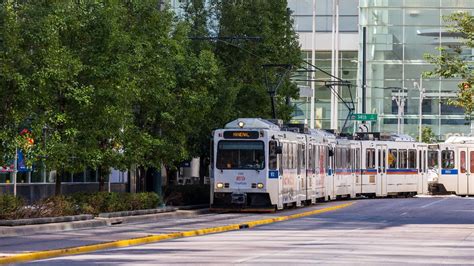
Washington commenced his tenure at the Regional Transportation District (RTD) in 2000, bringing a fresh perspective shaped by years of military strategic planning and execution. As assistant general manager, he quickly immersed himself in the operational and administrative intricacies of a major urban transit system. His performance and leadership qualities did not go unnoticed. When Clarence W. Marsella (often referred to as Cal Marsella) stepped down as CEO in June 2009, Washington was named the interim chief, a clear indication of the confidence the RTD board had in his capabilities. This interim role served as a proving ground, allowing him to demonstrate his vision for the agency.
By December 2009, the RTD board made a decisive move, officially appointing Phil Washington as the next CEO. The board’s vote in favor of his appointment signified their belief in his ability to lead the organization forward, tackling the challenges of expanding services, managing budgets, and improving the rider experience in the Denver metropolitan area. During his leadership at RTD, which extended until May 2015, Washington oversaw critical infrastructure projects and initiatives aimed at enhancing public mobility and regional connectivity. His tenure was characterized by a focus on efficiency, innovation, and a commitment to serving the diverse communities reliant on RTD’s services. He successfully navigated the complexities of public funding, stakeholder engagement, and the operational demands of a growing transit network, solidifying his reputation as a capable and visionary transportation executive.
Leading Los Angeles Metro: A New Scale of Challenge
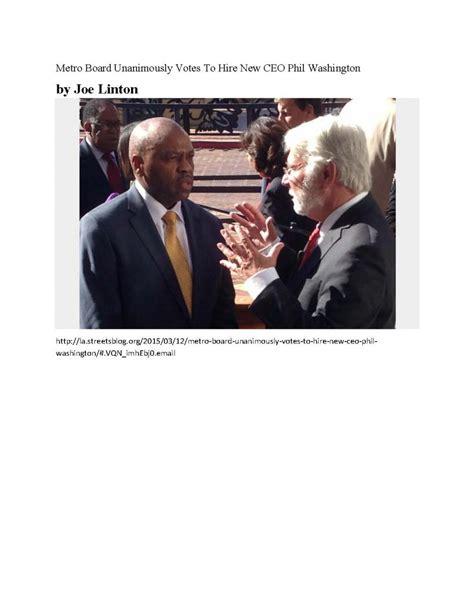
In May 2015, Phil Washington embarked on a new, significantly larger challenge, accepting the role of Chief Executive Officer of the Los Angeles County Metropolitan Transportation Authority (LA Metro). His appointment, announced by then-Los Angeles Mayor Eric Garcetti, marked a pivotal moment for one of the largest and most complex transit agencies in the United States. Washington succeeded Art Leahy, inheriting an organization responsible for a vast network of buses, rail lines, and ambitious infrastructure projects in a sprawling and notoriously car-centric metropolis. Mayor Garcetti and Metro board members publicly welcomed Washington, expressing optimism about his leadership.
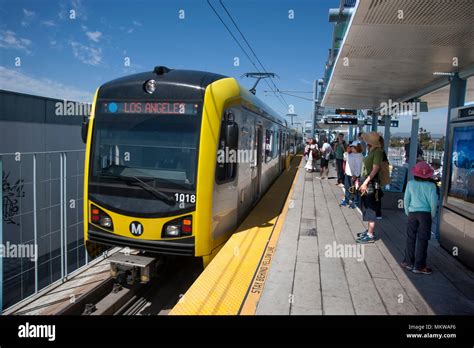
One of Washington’s most significant achievements during his tenure at LA Metro was his instrumental role in the development and passage of Measure M. This landmark ballot initiative, approved by Los Angeles County voters in 2016, authorized a half-cent sales tax increase to fund a comprehensive, multi-decade transportation improvement plan. Measure M promised a transformative expansion of public transit, including new rail lines, bus service enhancements, and highway improvements, representing a historic investment in the region’s infrastructure. Washington’s leadership in championing Measure M was widely recognized, and in 2018, he was honored at the Los Angeles Sustainability Coalition Annual Awards Dinner for his pivotal contribution to this ambitious expansion. His ability to galvanize support for such a large-scale initiative underscored his political acumen and strategic vision for a more connected and sustainable Los Angeles.
Beyond local initiatives, Washington’s expertise gained national recognition. In November 2020, he was selected to serve as the Team Lead for President Joe Biden’s presidential transition Agency Review Team for the United States Department of Transportation. This prestigious appointment highlighted his standing as a leading figure in American transportation policy, tasked with helping to shape the incoming administration’s transportation agenda. However, his impactful tenure at LA Metro was drawing to a close. In February 2021, after informing the Metro Board of his decision not to seek a renewal or extension of his contract, Washington announced his retirement from the post, effective May 2021. He was succeeded by Stephanie Wiggins. His departure marked the end of a significant era for LA Metro, during which he had steered the agency through substantial growth and strategic long-term planning.
Navigating Controversy and Transitioning to Airport Leadership
As Phil Washington prepared to leave LA Metro, a new opportunity arose. On June 7, 2021, Denver Mayor Michael Hancock nominated him to become the CEO of Denver International Airport (DIA), one of the busiest airports in the world. Washington was slated to take over from Kim Day, who was retiring after a notable 13-year tenure. This nomination signaled a shift for Washington from ground transportation to the equally complex domain of aviation infrastructure management.
However, the transition was not without its turbulence. Just days after his DIA nomination, the Los Angeles County Sheriff’s Department executed search warrants at LACMTA’s offices. This action was part of an ongoing criminal investigation into allegations of corruption, stemming from a Metro whistleblower’s claims. The investigation specifically focused on Metro’s sexual harassment hotline. It was alleged that multiple no-bid contracts to operate the service were awarded to Peace Over Violence, a charity led by Patti Giggans, a close friend and campaign donor to then-L.A. County Supervisor and Metro board member Sheila Kuehl. The hotline reportedly cost more than $8,000 per call, raising serious questions about financial oversight and potential conflicts of interest during Washington’s leadership at LA Metro. Washington vehemently maintained his innocence, stating that the complaint originated from a disgruntled employee and that he had done nothing wrong. Mayor Hancock publicly supported Washington, expressing confidence in his integrity despite the unfolding investigation in Los Angeles.
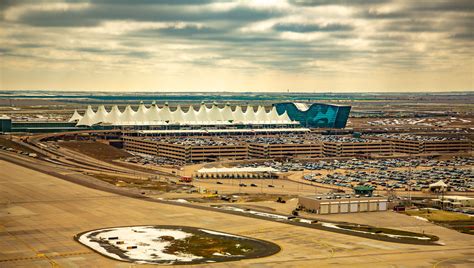
Despite the gravity of the allegations emanating from Los Angeles, the topic of the investigation was notably not discussed in depth when the Denver City Council convened to consider Washington’s nomination for the DIA CEO position. On July 12, 2021, the council voted unanimously to approve Phil Washington as the new CEO of Denver International Airport. His extensive experience in managing large, complex public organizations and his prior successful tenure in Denver with RTD likely played significant roles in their decision. He officially assumed office on July 19, 2021, ready to steer DIA through its ongoing expansion projects and operational challenges.
The Federal Aviation Administration Nomination: A National Call
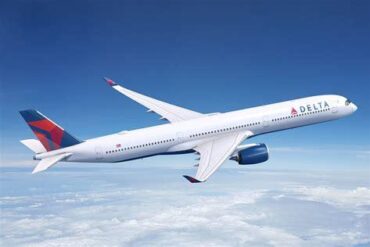
Phil Washington’s career took another significant turn on July 6, 2022, when President Joe Biden announced his nomination to lead the Federal Aviation Administration (FAA). The FAA, a critical agency within the Department of Transportation, is responsible for the safety and efficiency of the U.S. aerospace system, making its administrator a pivotal figure in national and international aviation. Washington’s nomination was seen by some as a logical step, given his extensive background in managing large transportation systems and his recent role on Biden’s transportation transition team. The White House expressed confidence that his leadership experience would be invaluable to an agency facing numerous challenges, including air traffic controller shortages, aging infrastructure, and the integration of new technologies like drones.
However, the path to confirmation quickly proved to be fraught with obstacles. His nomination stalled in the United States Senate, where it faced scrutiny from both sides of the aisle. One major point of contention was the ongoing criminal probe in Los Angeles related to his tenure at LA Metro. While Washington had not been charged with any wrongdoing, the existence of the investigation cast a shadow over his nomination, raising concerns among some senators about potential distractions or unresolved issues. Critics questioned the wisdom of appointing someone with such a cloud to lead an agency paramount to public safety and national security.
Further complicating matters were concerns about Washington’s direct experience in aviation safety. The FAA Administrator role traditionally demands deep expertise in aviation regulations, operations, and safety protocols. While Washington had a robust background in transportation management, his career had been primarily focused on ground transit and, more recently, airport management, rather than the intricate technical aspects of aviation oversight that are central to the FAA’s mission. These concerns were amplified by the fact that the FAA was navigating a period of heightened scrutiny following incidents like the Boeing 737 MAX crashes, underscoring the perceived need for an administrator with an unimpeachable aviation safety record and technical expertise.
Facing Senate Scrutiny and Eventual Withdrawal
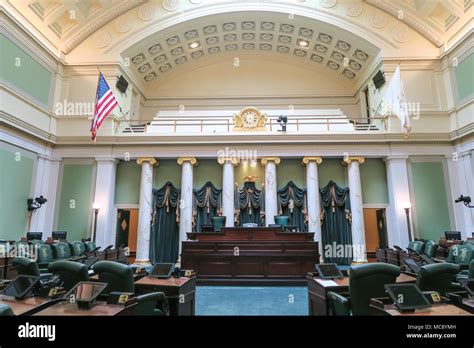
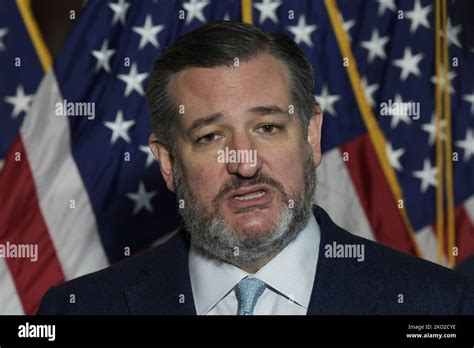
The confirmation process for Phil Washington as FAA Administrator became increasingly challenging as it moved through the United States Senate Committee on Commerce, Science, and Transportation. On March 1, 2023, Washington faced a contentious hearing before the committee. During this session, he was subjected to sharp questioning, most notably from Senator Ted Cruz of Texas, the ranking Republican member. Senator Cruz was vocal in his criticism, asserting that Washington was not qualified for the role and specifically highlighting his perceived lack of direct experience in aviation safety. Cruz argued that the leadership of the FAA required a seasoned aviation professional, not a generalist manager, particularly given the complex safety and technological challenges facing the aviation industry.
Beyond the questions about his expertise, Washington’s nomination encountered another significant hurdle: his military status. Federal statute (49 U.S. Code § 106(c)(1)) generally stipulates that the FAA Administrator must be a civilian and places restrictions on retired regular commissioned officers of an armed service from being appointed to the role within a certain timeframe after retirement, unless a waiver is granted by Congress. While Washington was a Command Sergeant Major (an enlisted rank) and not a commissioned officer, the nuances of his military retirement and its applicability to the statute became a point of debate and required careful legal interpretation and, potentially, a waiver, adding another layer of complexity to his confirmation.
As the confirmation process dragged on, support for Washington’s nomination appeared to waver. A Senate vote on his confirmation was initially anticipated for March 22, 2023. However, this vote was abruptly delayed by Senator Kyrsten Sinema of Arizona, an independent who caucuses with the Democrats. Senator Sinema reportedly raised new questions and concerns about Washington, further signaling the fragility of his support within the Senate. This delay proved to be a critical juncture. Recognizing the diminishing prospects for a successful confirmation in the face of mounting opposition and unresolved questions, Phil Washington made the decision to withdraw his nomination on March 25, 2023. In a statement, he cited the “unduly politicized” nature of the confirmation process. The White House expressed disappointment, reiterating their belief in his qualifications. This withdrawal left the FAA without a permanent administrator for an extended period, highlighting the political difficulties in filling such crucial government positions.
Continuing Leadership at Denver International Airport
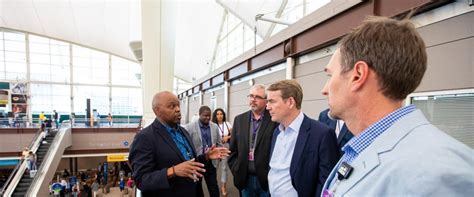
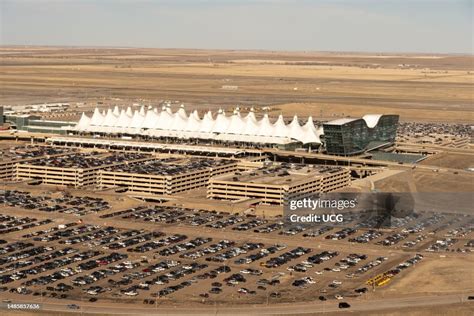
Despite the outcome of the FAA nomination, Phil Washington continues to serve as the Chief Executive Officer of Denver International Airport (DIA), a role he assumed in July 2021. DIA is a major economic engine for Colorado and a critical hub in the national and international air transportation network. In this capacity, Washington oversees a vast and complex operation, including significant capital improvement projects, passenger experience enhancements, and strategic planning for future growth. His leadership at DIA remains focused on navigating the post-pandemic recovery of air travel, managing large-scale construction projects like the Great Hall renovation and gate expansions, and fostering innovation in airport operations.
Washington’s career, from the South Side of Chicago to the U.S. Army, through the leadership of major transit agencies in Denver and Los Angeles, and onto the global stage of Denver International Airport, reflects a journey of remarkable ascent and resilience. While his nomination to lead the FAA was ultimately unsuccessful, his extensive experience in managing large-scale public infrastructure projects and navigating complex political environments continues to shape his contributions to the transportation sector. His story underscores the challenges and rewards of public service, particularly in fields as vital and scrutinized as transportation and infrastructure. The blend of military discipline, academic achievement, and hands-on executive experience has defined his approach to leadership, leaving an indelible mark on the organizations he has helmed and the communities they serve. His ongoing work at DIA ensures he remains a significant figure in American infrastructure leadership, tasked with guiding one of the world’s premier airports into its next phase of development and operational excellence.