Understanding the Dynamics of Headwinds vs Tailwinds
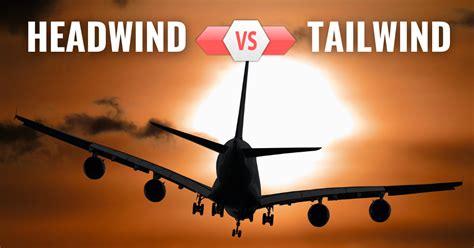
In both aerodynamics and everyday life, the terms headwind and tailwind are not merely meteorological concepts — they signify directional forces that either resist or propel movement. A headwind refers to wind that blows against the direction of travel, creating resistance, while a tailwind blows with the direction of travel, offering assistance. These forces have critical implications in aviation, maritime travel, cycling, athletics, and business metaphors. Their physical and symbolic importance makes it essential to understand how they operate and influence outcomes.
When we consider these terms in real-world scenarios, the duality between hindrance and assistance becomes profoundly evident, especially in fields such as air navigation, engineering, and competitive sports.

Headwinds and Tailwinds in Aviation
In aviation, wind direction can significantly impact the performance, safety, and efficiency of flight. Contrary to initial assumptions, headwinds are not inherently bad for aircraft. In fact, during takeoff and landing, a headwind provides a critical advantage.
When an aircraft takes off into a headwind, it experiences increased airflow over the wings, enhancing lift without needing excessive ground speed. This reduces the required runway length and improves safety margins. As a result, both pilots and air traffic controllers often prefer runways that allow takeoff and landing into the wind.
However, in cruise flight, a headwind is disadvantageous because it reduces the aircraft’s ground speed, thereby increasing fuel consumption and flight duration. Conversely, a tailwind during flight can dramatically reduce travel time, lower fuel costs, and improve schedule adherence.
Aeronautical Calculations of Wind Components
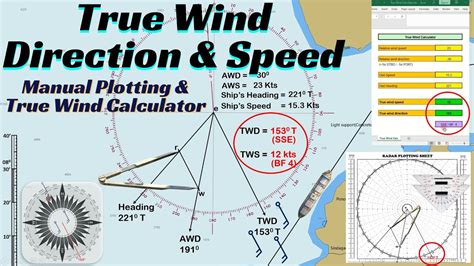
To quantify the impact of wind on aircraft, aviators compute both headwind/tailwind and crosswind components. The key variables involved include:
-
A: Angle of wind origin from direction of travel
-
WS: Wind speed
-
CW: Crosswind component = ( \sin(A) \times WS )
-
HW: Headwind component = ( \cos(A) \times WS )
-
TW: Tailwind component = ( \cos(A) \times WS ), but interpreted as aiding motion
For instance, a wind from 090° at 15 knots affecting a plane on runway 06 (heading 060°) implies an angle ( A = 30° ), resulting in:
-
Crosswind ≈ 7.5 knots
-
Headwind ≈ 13 knots
In the opposite scenario (runway 24, heading 240°), this same wind becomes a tailwind of 13 knots, which is often not preferred for safety reasons.
Sailing and Maritime Implications
In sailing, headwinds can pose serious challenges. Vessels moving into the wind must often resort to tacking — a zigzag maneuver that allows them to progress forward despite the opposing force. This process reduces efficiency and increases travel time. Tailwinds, however, allow for direct navigation and maximize sail efficiency, greatly benefiting long voyages and racing competitions.
Historically, tailwinds have influenced global trade routes and military strategy, such as in the case of the Spanish Armada where wind direction played a pivotal role in their defeat.
Cycling: Strategy in Motion
In competitive cycling, headwinds can dramatically affect speed and energy expenditure. Cyclists expend more energy to maintain pace against wind resistance, which emphasizes the strategic advantage of drafting — riding closely behind another cyclist to reduce drag.
Headwinds can influence race strategy, causing breakaways to falter and pelotons to tighten. Conversely, a tailwind allows for more aggressive pacing and stronger solo performances.

A notable cultural anecdote is Jacob Haugaard’s 1994 Danish parliamentary campaign, where he humorously promised “more tailwinds on bicycle paths” — a testament to how intimately wind is felt in daily Danish cycling life.
Athletics and Wind Assistance
In track and field, particularly sprints and jumping events, tailwinds can provide unfair advantages. Regulatory bodies such as World Athletics impose limits on permissible wind assistance:
- Max tailwind for record validity: 2.0 m/s
Events such as the 100m dash, 200m sprint, long jump, and triple jump all fall under this regulation. A tailwind above the threshold invalidates performances for record consideration due to the mechanical aid it provides.
Headwinds and Tailwinds in Business Metaphors
Beyond physical phenomena, headwinds and tailwinds have become powerful metaphors in business and economics.
Headwinds
-
Represent obstacles such as inflation, supply chain disruptions, regulatory burdens, or geopolitical instability.
-
Example: A company may face headwinds from rising raw material costs or changing consumer behavior.
Tailwinds
-
Denote favorable conditions like technological breakthroughs, tax incentives, or booming consumer demand.
-
Example: The rapid adoption of e-commerce during global lockdowns provided major tailwinds for online retailers.
These metaphors help analysts contextualize macroeconomic trends, company forecasts, and investment strategies.

Wind Effects on Land Vehicles
For motor vehicles, the impact of headwinds and tailwinds is more subtle but still relevant. Wind affects fuel efficiency, especially at highway speeds. Headwinds increase air resistance, causing higher fuel consumption, while tailwinds reduce resistance, enhancing efficiency.
Though drivers rarely consider wind direction, it becomes significant in long-haul trucking, especially with aerodynamically sensitive cargo or trailers. Fleet managers often use telematics systems to optimize routes considering weather and wind patterns.
Psychological and Philosophical Symbolism
From a symbolic standpoint, headwinds represent struggle, requiring perseverance and adaptability. They embody resistance to progress, urging innovation and strength.
Tailwinds, in contrast, symbolize momentum and serendipity. In business literature and motivational discourse, being “pushed by tailwinds” implies that conditions are aligned favorably with one’s goals.
Recognizing when you are under the influence of either force — in business, sports, or life — enables better decision-making and strategic planning.
Conclusion: Navigating the Forces of Progress
Understanding the contrast between headwinds vs tailwinds equips us with a better grasp of both natural dynamics and metaphorical insights. Whether piloting an aircraft, managing a business, or competing in a race, knowing how to assess and respond to these forces is vital.
We navigate life and work in a world filled with shifting air currents, some that challenge us to rise and others that carry us further than we imagined. Recognizing and adapting to these winds — literal or figurative — remains one of the most enduring skills across disciplines.
FAQs
What is the main difference between a headwind and a tailwind?
A headwind opposes the direction of movement, creating resistance, while a tailwind moves in the same direction, assisting motion. In aviation, headwinds are beneficial during takeoff and landing, whereas tailwinds improve efficiency during cruise.
Why are tailwinds not allowed beyond 2.0 m/s in sprinting records?
Tailwinds above 2.0 meters per second are considered artificial aids that unfairly enhance performance. Therefore, any result with excessive wind assistance is not recognized for record purposes.
How do pilots determine the headwind or tailwind on a runway?
Pilots use wind direction and speed data (e.g., from windsocks and anemometers) and apply trigonometric calculations to determine the headwind or tailwind component relative to the aircraft’s heading. This influences the choice of runway and takeoff/landing strategy.