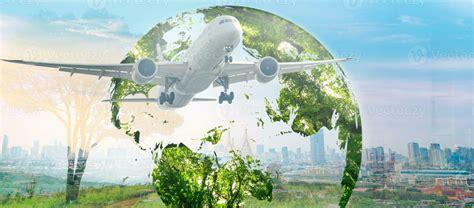
The aviation industry stands on the edge of transformation, driven by rapid technological innovation, shifting geopolitical influence, and a renewed focus on environmental sustainability. Over the next decade, we anticipate a redefined airspace—one that blends traditional travel with cutting-edge engineering and responds to the evolving demands of a globally connected population. As we recover from the COVID-19 crisis, the industry’s future is no longer a matter of restoring the past, but of inventing an entirely new trajectory.
The Post-Pandemic Rebound
The impact of COVID-19 on aviation cannot be overstated. In 2020, the industry faced a sharp nosedive as global lockdowns, health anxieties, and halted operations left passenger numbers and airline revenues crippled. The domino effect led to a slowdown in aircraft manufacturing and a drastic reduction in parts demand.
However, with mass vaccine distribution, the gradual lifting of quarantine restrictions, and traveler confidence rebuilding, air travel is experiencing a sharp resurgence. Pent-up demand is translating into a surge in bookings. People aren’t just resuming travel—they are seeking to make up for lost time. This rebound is the bedrock on which the next ten years of aviation will be built.
Technological Evolution in Aircraft Design
Aviation technology is evolving at a historic pace, reshaping the very DNA of how aircraft are designed and operated. The integration of lighter, more durable composite materials is enabling manufacturers to build aircraft that are both stronger and more fuel-efficient. These advancements significantly reduce operational costs while meeting environmental standards.
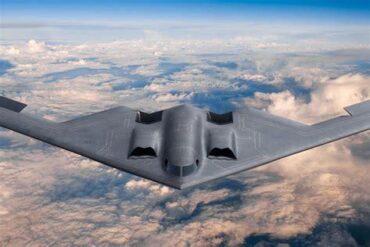
Innovations like blended wing body (BWB) aircraft and modular airframes are under development, challenging the long-standing tube-and-wing design. Meanwhile, drone-style vertical take-off and landing (VTOL) systems—currently seen in logistics and surveillance—are expected to scale into urban air mobility for passengers, shortening commute times and reducing congestion.
Artificial Intelligence: Aviation’s Cognitive Co-Pilot
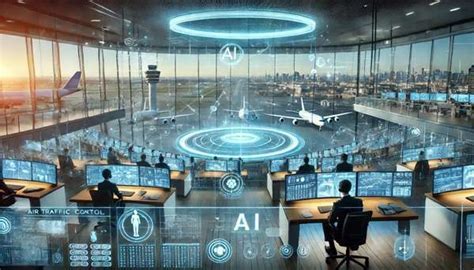
The adoption of artificial intelligence in aviation is ushering in a new era of predictive efficiency and operational safety. AI algorithms are now used to optimize flight routes, reduce fuel burn, and enhance air traffic coordination. As more aircraft crowd our skies, AI systems will serve as intelligent mediators, ensuring smoother, safer skies.
From predictive maintenance that prevents technical issues before they arise, to AI-assisted design processes that fine-tune aerodynamics, artificial intelligence is becoming essential to the industry’s future.
Green Energy and the Decarbonization Drive
Sustainability is the cornerstone of the future of aviation. As global consensus strengthens around climate action, the industry is under increasing pressure to reduce its carbon footprint. The next decade will see a seismic shift toward alternative propulsion technologies, including:
-
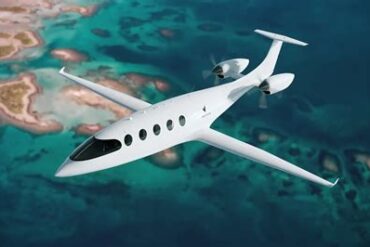
Electric propulsion systems for regional travel
-
Hydrogen fuel cells offering greater range with zero emissions
-
Sustainable aviation fuels (SAFs) derived from non-fossil sources
Companies like Airbus and Rolls-Royce are actively developing aircraft that run on hydrogen, while startups such as ZeroAvia are testing retrofitted commercial models. Regulatory incentives and growing environmental awareness will accelerate their adoption.
Suborbital Space Travel: The Final Frontier Becomes Commercial
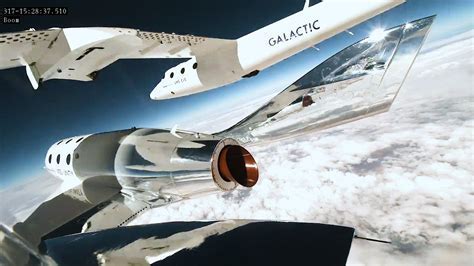
The line between aviation and space travel is blurring. Suborbital commercial flights—once science fiction—are now an emerging market. With pioneers such as Elon Musk (SpaceX), Jeff Bezos (Blue Origin), and Richard Branson (Virgin Galactic) investing billions, space tourism is poised to become a reality for high-net-worth individuals.
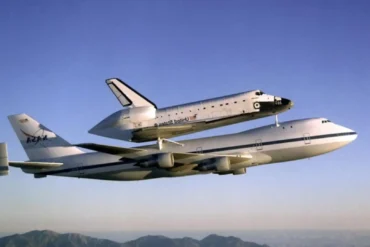
These ventures not only open the door to space tourism but will also drive down the cost of hypersonic air travel, where suborbital flights drastically cut transcontinental flight times. Expect experimental vehicles to influence commercial designs.
The Rise of BRICS and Emerging Economies
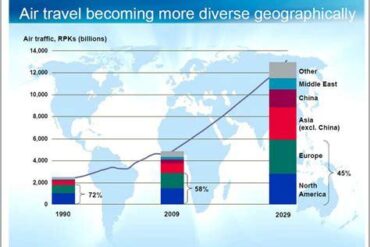
In the next decade, aviation growth will be disproportionately driven by emerging economies, particularly those within the BRICS bloc—Brazil, Russia, India, China, and South Africa. As disposable incomes rise and visa regimes relax, millions will take to the skies for the first time.
Airlines are already expanding fleets and route networks to serve this demand. For example, India’s UDAN scheme aims to connect underserved airports, while China’s regional carriers are scaling operations into inland areas.
Experience-Based Travel Culture
There’s a powerful generational shift from acquiring material goods to collecting experiences. For Millennials and Gen Z, travel is a life priority. Whether it’s witnessing the Northern Lights, diving the Great Barrier Reef, or visiting space, the aviation sector will cater to these experience-hungry demographics.
Aircraft configurations may even adapt to this trend. Think panoramic windows, increased cabin personalization, and immersive digital environments. Airlines will compete not just on service but on experience design.
The Virtual Meeting Paradox
One lingering effect of the pandemic is the normalization of remote work and virtual meetings. Platforms like Zoom, Google Meet, and Microsoft Teams have proven that many in-person meetings are no longer necessary.
This shift is expected to reduce demand for business travel, particularly short-haul flights. However, premium leisure travel—a new hybrid of work and vacation (aka “bleisure”)—could offset this dip. Airlines may pivot their offerings to suit this evolving customer base.
Global Population Growth and Aviation Demand
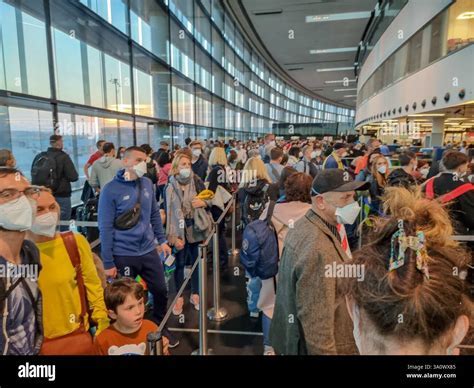
Global population is projected to exceed 9 billion by 2050, and even with slowed fertility rates in some regions, the demand for air mobility will increase. Urbanization will push more people into major cities, requiring expanded aviation infrastructure.
Expect to see:
-
New airports in Africa and Asia
-
Expanded runway capacity and terminal modernization
-
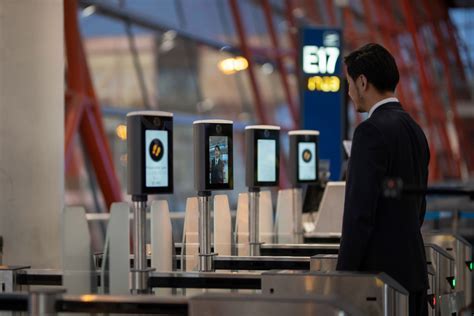
Smarter airport technologies like biometric boarding and automated baggage handling
Accessibility in Developing Nations
Air travel remains inaccessible for many regions, especially in sub-Saharan Africa and rural India. Over the next decade, there will be a concerted push to democratize aviation, led by government initiatives and private sector investments.
Projects aimed at connecting remote areas, combined with cheaper, more efficient regional aircraft, will enable millions of new flyers. Low-cost carriers will play a key role in opening these skies.
Aviation’s Resilience and Global Role
The aviation industry has weathered wars, oil crises, terrorism, and now a pandemic. Each challenge has refined its resilience and proven the sector’s indispensability in a connected world. Aviation fuels commerce, facilitates diplomacy, and unites people across cultures.
Companies like AeroVision International exemplify the innovation and service commitment required to keep aviation advancing. By offering aircraft sales, leasing, spare parts, and MRO support, AeroVision bridges the gap between operators and the complex machinery of global aviation logistics.
As we look to 2035 and beyond, the industry must embrace change not as a challenge, but as a mandate. The future of aviation will not resemble its past—it will soar beyond it.
Frequently Asked Questions
What role will electric planes play in the future of aviation?
Electric aircraft will revolutionize short-haul regional travel. With zero emissions and reduced noise, they are perfect for densely populated areas. While long-haul electric flight is still years away, the next decade will see commercial viability for routes under 500 miles.
Will space tourism become common in the next 10 years?
Space tourism will remain a luxury experience for the wealthy in the near term, but increased competition and improved technology are expected to lower costs. Suborbital flights may become more mainstream by the mid-2030s.
How will AI improve passenger safety?
AI systems can monitor every aspect of an aircraft in real-time, from engine performance to weather conditions. This allows for early detection of issues and smarter decision-making, ultimately improving safety for passengers and crews.