Airline history is often romanticized through speed records and iconic silhouettes, yet the true forces shaping aviation have always been rooted in economics. Every successful aircraft is ultimately judged not by how fast it flies, but by how efficiently it converts cost into revenue. From the earliest days of commercial flight to today’s ultra-efficient long-haul operations, a select group of aircraft have fundamentally shifted the balance between cost, capacity, and profitability.
These aircraft did more than carry passengers—they redefined business models, unlocked new markets, and recalibrated what airlines considered economically viable. By lowering cost per seat, improving operational reliability, or enabling entirely new route structures, they became catalysts for transformation. The following six aircraft stand as milestones in that evolution, each marking a decisive turning point in how airlines make money.
Douglas DC-3: The Birth of Profitable Passenger Aviation
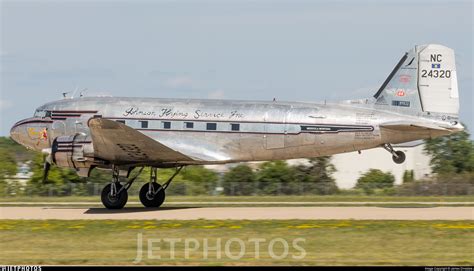
The introduction of the Douglas DC-3 in 1936 marked a profound shift in the economics of flight. Before its arrival, airlines largely depended on government mail subsidies to stay afloat. Passenger revenue alone simply could not sustain operations. The DC-3 changed that equation decisively.
With its all-metal construction and twin-engine reliability, the aircraft offered a level of operational dependability that airlines had never experienced before. It reduced maintenance complexity while delivering consistent performance across varying conditions. More importantly, it introduced a balance between passenger capacity and operating cost that finally made scheduled passenger service profitable.
The aircraft’s ability to carry between 21 and 32 passengers may seem modest by modern standards, but at the time, it was revolutionary. Airlines could now generate enough revenue per flight to cover costs without relying on external support. That shift marked the transition from experimental aviation ventures to sustainable commercial enterprises.
Passengers also benefited. The DC-3 offered improved comfort, reliability, and scheduling consistency—factors that encouraged repeat business and built consumer trust in air travel. It wasn’t just an aircraft; it was the foundation of the modern airline industry.
Boeing 707: Turning Speed into Profitability
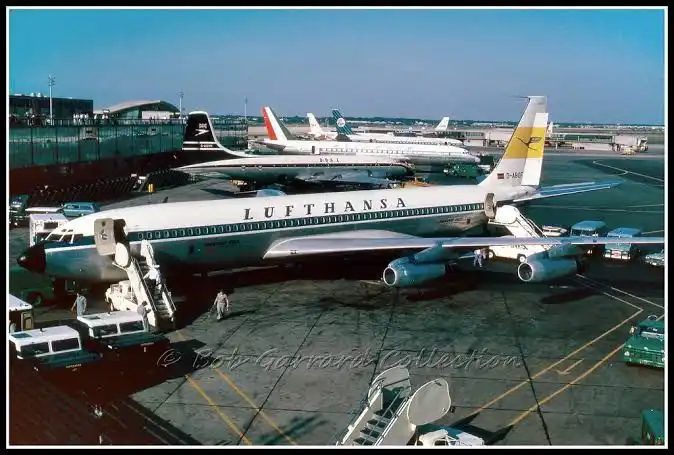
When the Boeing 707 entered service in 1958, it didn’t just introduce jets to commercial aviation—it redefined the value of time. For the first time, speed became a core economic driver rather than a luxury feature.
The 707 dramatically reduced travel times, particularly on transcontinental and transatlantic routes. This allowed airlines to increase aircraft utilization, completing more flights within the same timeframe. Higher utilization meant more revenue opportunities without proportionally increasing costs—a fundamental improvement in productivity.
Jet engines also enabled longer nonstop routes, reducing the need for intermediate stops. This streamlined operations, lowered certain costs, and improved the passenger experience. Airlines could now market not just transportation, but efficiency and modernity.
However, the 707 also intensified competition. Airlines were forced to invest heavily in jet fleets to remain relevant, raising capital costs across the industry. Yet this investment paid off by accelerating the globalization of air travel and establishing the jet age as the new standard.
The aircraft didn’t just make flying faster—it made it economically smarter.
Boeing 747: The Power of Scale in Long-Haul Travel
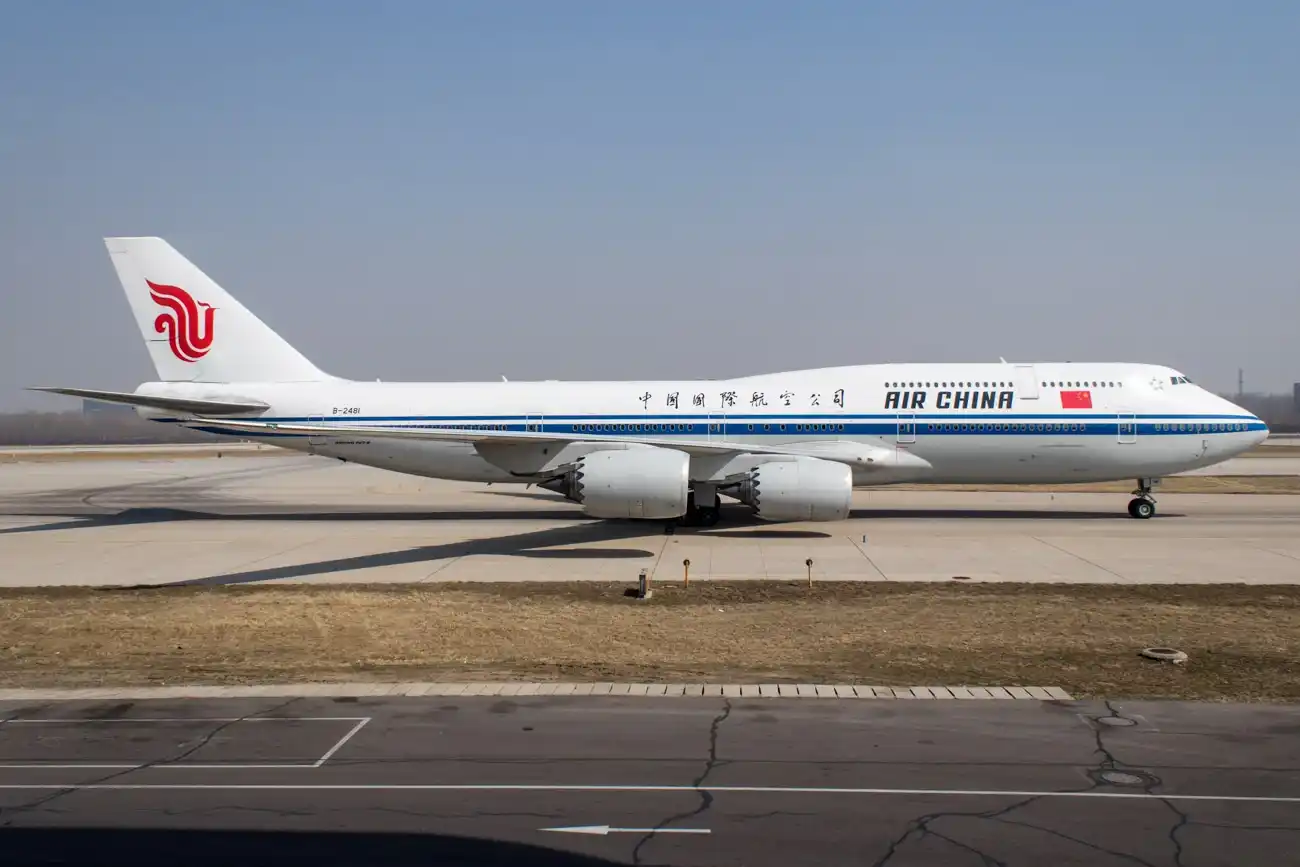
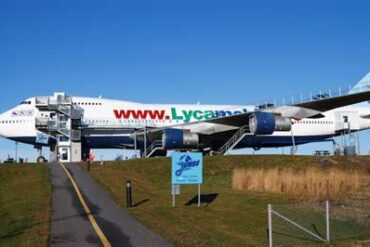
Few aircraft have had as dramatic an impact on airline economics as the Boeing 747. Introduced in 1970, it brought an entirely new concept to aviation: scale.
By carrying between 366 and over 500 passengers, the 747 allowed airlines to spread fixed costs—such as crew salaries, airport fees, and capital expenses—across a much larger number of seats. This significantly reduced the cost per seat-mile, making long-haul travel more affordable and accessible.
The timing was critical. As global demand for international travel surged, airlines needed a way to accommodate growing passenger volumes without proportionally increasing costs. The 747 provided exactly that solution.
It also reshaped airline network strategies. The economics of the aircraft favored high-density routes between major hubs, reinforcing the hub-and-spoke model. Airlines began consolidating passengers from multiple origins into centralized hubs before deploying large aircraft on long-haul routes.
Beyond passenger operations, the 747’s cargo capacity added another revenue stream, further enhancing its economic value. While not ideal for every route, on high-demand corridors, it became an unmatched profit generator.
The 747 didn’t just lower costs—it democratized global travel by making it accessible to millions more people.
Airbus A320: Standardization as an Economic Strategy
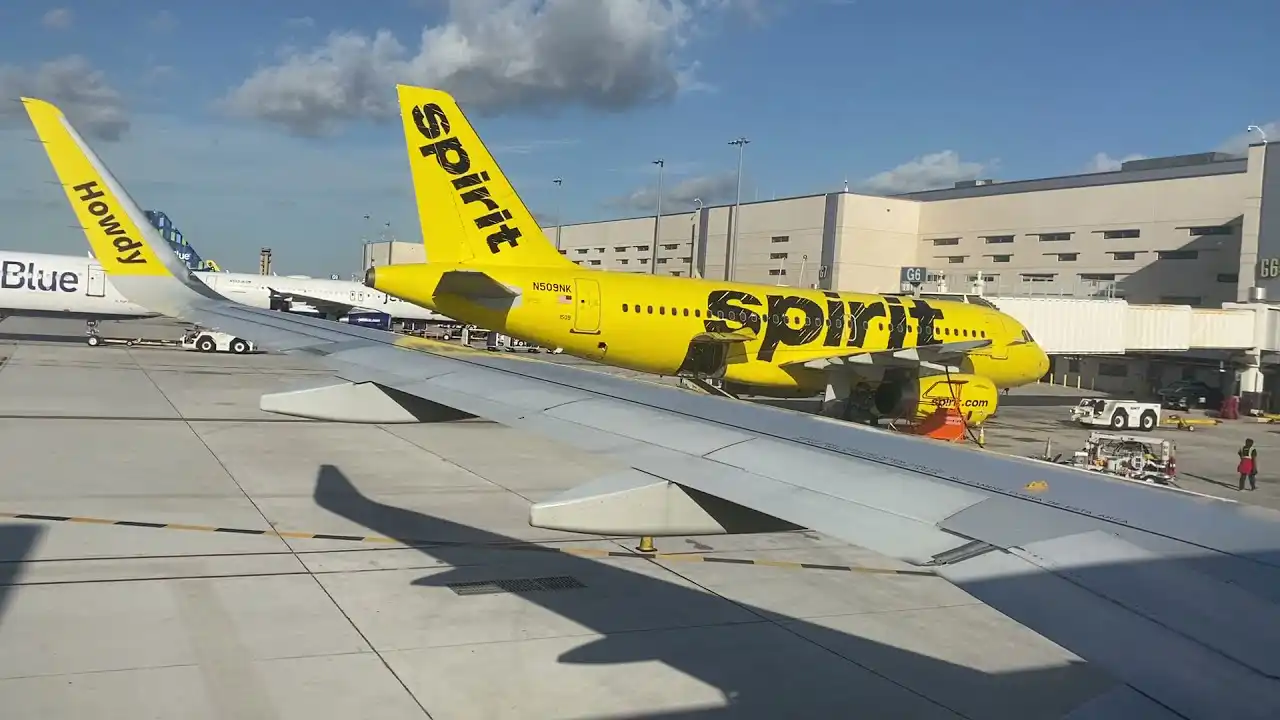
The introduction of the Airbus A320 in 1988 marked a shift toward operational simplicity and standardization. While previous aircraft focused on performance improvements, the A320 revolutionized how airlines managed complexity.
Its fly-by-wire technology and standardized cockpit design allowed pilots to transition between Airbus aircraft with minimal retraining. This reduced training costs, increased scheduling flexibility, and improved overall workforce efficiency.
From an economic standpoint, these advantages were profound. Airlines could operate mixed fleets within the Airbus family without incurring significant additional costs. Maintenance processes were streamlined, spare parts inventories reduced, and operational disruptions minimized.
The A320 also hit an ideal capacity range of 150 to 180 passengers, making it perfectly suited for high-frequency short- and medium-haul routes. It avoided the risk of overcapacity while still delivering strong revenue potential.
This combination of efficiency and flexibility made the A320 a cornerstone of both legacy carriers and low-cost airlines. It enabled scalable operations built on consistency and predictability—key ingredients for long-term profitability.
Boeing 737: The Scalable Workhorse of Short-Haul Aviation
The Boeing 737 has become synonymous with reliability and adaptability. Since its introduction in 1968, it has evolved into one of the most widely used aircraft in aviation history, fundamentally shaping short-haul economics.
Its true strength lies in scalability. The 737 can serve a wide range of markets, from low-demand regional routes to high-frequency domestic corridors. This versatility allows airlines to deploy the aircraft across diverse networks while maintaining consistent operational efficiency.
One of its most significant economic advantages is continuity. Airlines can operate successive generations of the 737 with minimal disruption, benefiting from common training programs, maintenance procedures, and spare parts systems. Over time, this creates substantial cost savings.
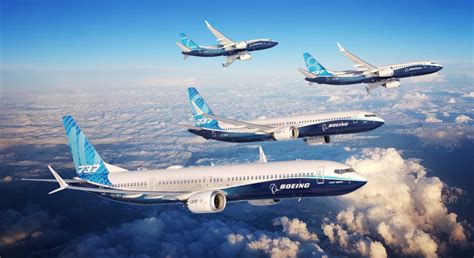
The aircraft has also played a central role in the rise of low-cost carriers. Its ability to support quick turnarounds, high utilization rates, and dense seating configurations aligns perfectly with cost-focused business models. Airlines like Southwest and Ryanair built entire strategies around maximizing the economic potential of the 737.
In many ways, the 737 is not just an aircraft—it is an operational philosophy centered on efficiency, consistency, and scale.
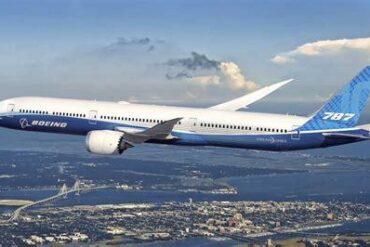
Boeing 787 Dreamliner: Redefining Long-Haul Economics
The arrival of the Boeing 787 Dreamliner in 2011 marked a new era in airline economics, particularly for long-haul operations. Unlike previous widebodies that relied on size for efficiency, the 787 focused on flexibility and precision.
Constructed with advanced composite materials and powered by next-generation engines, the aircraft delivers significantly lower fuel consumption and reduced maintenance costs. These improvements translate directly into better trip economics, allowing airlines to operate long-haul routes more profitably.
Perhaps its most transformative impact lies in route planning. The 787 enables airlines to serve “thin” long-distance routes—city pairs that lack the demand to fill larger aircraft but still generate sufficient traffic to be viable with a smaller, more efficient jet.
This has accelerated the shift toward point-to-point travel, reducing reliance on major hubs. Passengers benefit from more direct routes, while airlines gain the ability to match capacity more precisely to demand.
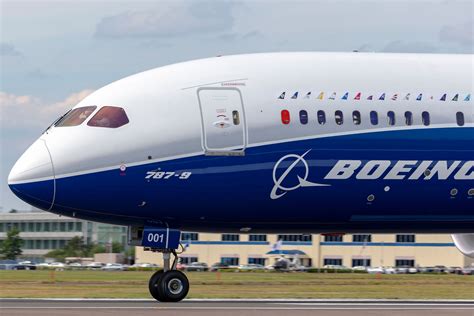
By minimizing wasted capacity and improving load factors, the 787 has redefined how airlines approach long-haul networks. It represents a move toward smarter, more targeted operations rather than sheer scale.
The Economic Evolution of Flight
Each of these aircraft represents more than a technological milestone—they embody a specific economic breakthrough that reshaped the airline industry. The DC-3 proved that passenger aviation could be profitable. The 707 made speed a revenue driver. The 747 introduced scale. The A320 standardized efficiency. The 737 enabled scalable short-haul operations. The 787 reimagined long-haul flexibility.
Together, they illustrate a continuous evolution toward greater efficiency, adaptability, and precision. Airline success has never depended on a single factor, but rather on the delicate interplay between cost, capacity, and demand.
What’s striking is how each innovation builds on the last. The principles established by early aircraft continue to influence modern designs, even as technology advances. The pursuit of lower costs, higher utilization, and better alignment with market demand remains constant.
The future of airline economics will likely follow the same trajectory—focused not just on flying farther or faster, but on flying smarter.