The story of widebody aircraft is not merely about engineering progress—it is a chronicle of how humanity shrank the planet. From the moment airlines realized that scale could unlock profitability on long-haul routes, the race began to build aircraft that were bigger, smarter, more efficient, and capable of flying farther than ever before. Today’s intercontinental travel ecosystem rests firmly on the shoulders of a handful of revolutionary aircraft that didn’t just participate in aviation history—they reshaped it entirely.
What makes a widebody jet so transformative is its twin-aisle configuration, allowing airlines to move hundreds of passengers across continents while optimizing cost per seat. This fundamental advantage explains why, despite advancements in long-range narrowbodies, widebody aircraft still dominate high-demand, long-haul international routes.
Across decades of relentless innovation, five aircraft stand out as defining milestones—each representing a leap forward in design philosophy, operational economics, and technological ambition.
Boeing 747: The Aircraft That Made the World Smaller
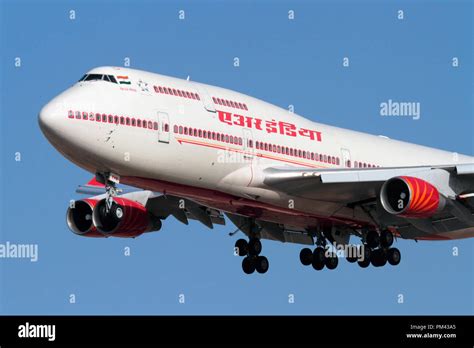
The introduction of the Boeing 747 in 1970 marked a turning point in commercial aviation. Designed in response to demands from Pan American World Airways, the aircraft was envisioned as a machine that could carry more than double the passengers of existing jets like the Boeing 707.
The result was nothing short of revolutionary.
The 747’s distinctive hump-backed upper deck, massive wingspan, and unprecedented seating capacity introduced the world to the concept of mass intercontinental travel. While early variants like the 747-100 struggled with limited range and underpowered engines, successive versions rapidly evolved into highly capable long-haul machines.
The real breakthrough came with the 747-400, which entered service in 1989. This variant delivered dramatically improved fuel efficiency, extended range, and modern avionics, making it the most commercially successful version of the entire program.
Yet, the 747’s brilliance came with a paradox. Its immense size made it economically efficient per seat, but also difficult to fill consistently. Airlines increasingly found themselves seeking smaller, more flexible alternatives.
Still, during its prime, the 747 achieved something no aircraft had done before—it democratized global travel. It transformed long-haul flying from an exclusive luxury into a mainstream experience, embedding itself deeply in global culture. Even today, it remains one of the most recognizable aircraft ever built, rivaled only by legends like the Concorde.
Airbus A300: The Twin-Engine Gamble That Paid Off
If the 747 proved that bigger was possible, the Airbus A300 proved that smarter was better.
Introduced in 1974 by the newly formed Airbus, the A300 represented a bold and risky idea: a twin-engine widebody aircraft. At the time, regulatory restrictions limited twinjets on long overwater routes, making three-engine aircraft like the McDonnell Douglas DC-10 and Lockheed L-1011 TriStar the safer bet.
Airbus, however, saw the future differently.
The A300 was designed to deliver widebody capacity without the inefficiencies of extra engines, targeting medium-haul routes where demand was strong but not sufficient for a 747-sized aircraft. Early sales were sluggish, and the program nearly collapsed—until a pivotal moment changed everything.
Eastern Air Lines agreed to trial the aircraft under an unprecedented deal. The results were staggering: the A300 consumed around 30% less fuel than competing trijets.
That single demonstration validated the twin-engine widebody concept.
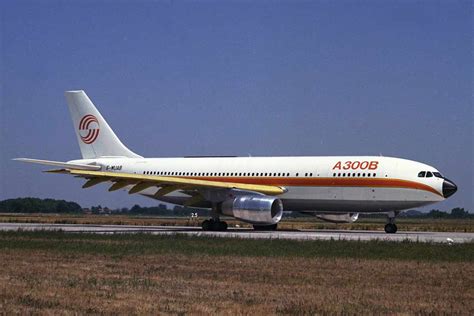
The A300 didn’t just save Airbus—it established the blueprint for modern widebody design. Its success paved the way for future twinjets, proving that efficiency, not just size, would define the next generation of aircraft.
Even decades after its debut, the A300 continues to serve in cargo operations, a testament to its durability and forward-thinking engineering.
Boeing 767: The Aircraft That Made ETOPS Mainstream
The Boeing 767 didn’t just refine the twinjet concept—it legitimized it for long-haul operations.
Introduced in 1982, the 767 was initially conceived for shorter routes. But Boeing built it with growth potential, and that foresight paid off spectacularly. With the development of extended-range variants like the 767-200ER, the aircraft began pushing into transatlantic territory.
The breakthrough came with ETOPS (Extended-range Twin-engine Operational Performance Standards) certification. In 1985, Trans World Airways operated the first ETOPS flight between Boston and Paris using a 767—an event that reshaped regulatory confidence in twin-engine reliability.
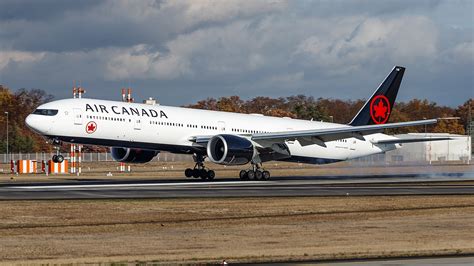
The implications were enormous. Airlines could now operate long-haul routes with fewer engines, reducing fuel burn, maintenance costs, and overall complexity.
The 767 also introduced several innovations that are now standard:
- Two-crew glass cockpit, eliminating the need for a flight engineer
- Common type rating with the Boeing 757
- Advanced avionics systems that improved efficiency and safety
While later aircraft would surpass it in range and efficiency, the 767’s true legacy lies in its role as a bridge between eras. It proved that twinjets weren’t just viable—they were the future of long-haul aviation.
Boeing 777: The Twinjet That Replaced the Jumbo
By the time the Boeing 777 entered service in 1995, the industry was ready for a new flagship. What it got was an aircraft that would quietly dethrone the 747.
Developed in collaboration with major global airlines including All Nippon Airways and British Airways, the 777 was designed to hit a sweet spot: nearly the capacity of a 747, but with the efficiency of a twinjet.
Its technological credentials were groundbreaking:
- First Boeing aircraft with fly-by-wire controls
- Fully designed using computer-aided design (CAD)
- Powered by massive engines like the GE90, among the most powerful ever built
The 777-200ER quickly became a bestseller, but it was the 777-300ER that cemented the aircraft’s dominance. Offering longer range, higher capacity, and significantly lower operating costs than competitors like the Airbus A340-600, it became the go-to aircraft for global airlines.
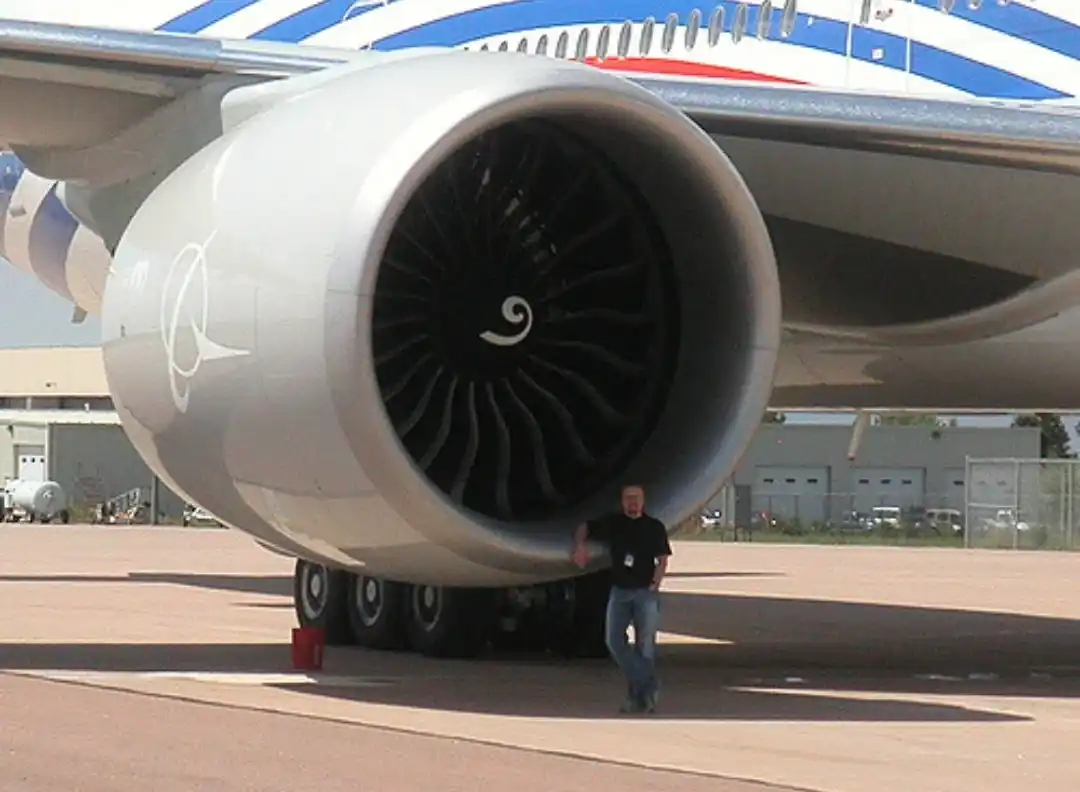
The 777 didn’t just compete with the 747—it made it obsolete. Airlines could achieve similar capacity without the burden of four engines, fundamentally altering fleet strategies worldwide.
Today, the 777 remains the most successful widebody program in history, a testament to its perfect balance of power, efficiency, and versatility.
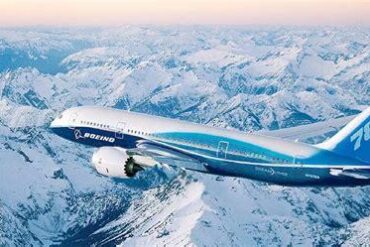
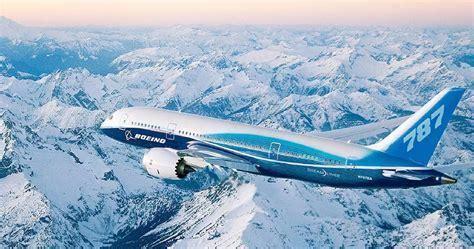
Boeing 787 Dreamliner: The Efficiency Revolution
The arrival of the Boeing 787 Dreamliner in 2011 marked the beginning of a new era defined by materials science and fuel efficiency.
Unlike its predecessors, the 787 wasn’t just an incremental upgrade—it was a complete rethinking of aircraft construction. As the world’s first large-scale composite airliner, it replaced traditional aluminum structures with carbon-fiber materials, resulting in a lighter, stronger, and more aerodynamic aircraft.
This shift unlocked dramatic performance gains:
- Lower fuel consumption
- Increased range capabilities
- Reduced maintenance requirements
Powered by advanced engines like the General Electric GEnx and Rolls-Royce Trent 1000, the Dreamliner redefined what airlines could expect from long-haul operations.
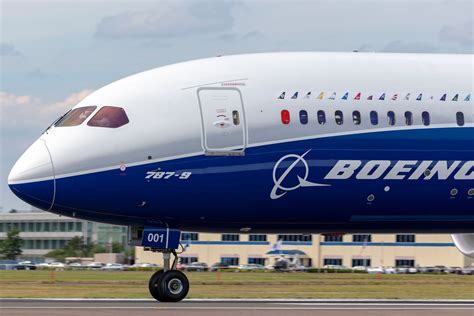
The 787-9 variant, in particular, has emerged as the cornerstone of modern long-haul fleets. With a range exceeding 7,800 nautical miles, it enables ultra-long-haul routes that were previously uneconomical or impossible.
Beyond efficiency, the 787 also transformed the passenger experience with:
- Higher cabin humidity
- Larger windows
- Improved pressurization
These features may seem subtle, but collectively they redefine comfort on long-haul flights, making journeys more tolerable—and even enjoyable.
The Dreamliner’s impact is clear: it has become the aircraft of choice for opening new long-distance routes, allowing airlines to connect secondary cities without relying on massive hub operations.
The Legacy of Innovation: How These Aircraft Shaped Modern Aviation
Each of these aircraft represents more than just engineering progress—they embody paradigm shifts that redefined how airlines operate.
The Boeing 747 introduced scale and global connectivity.
The Airbus A300 proved the efficiency of twin-engine designs.
The Boeing 767 enabled long-haul twinjet operations through ETOPS.
The Boeing 777 replaced four-engine giants with high-capacity twinjets.
The Boeing 787 Dreamliner ushered in the era of composite efficiency and ultra-long-range connectivity.
Together, they chart a clear trajectory: from size to efficiency, from complexity to optimization, and from limitation to possibility.
Modern widebody aircraft are no longer just about carrying passengers—they are about connecting the world with precision, sustainability, and economic viability. And while future designs will continue to push boundaries, the foundation laid by these five aircraft ensures that their influence will endure for generations.
The evolution of widebody jets is, ultimately, the story of how aviation learned to do more with less—flying farther, burning less fuel, and bringing the world closer together with every innovation.