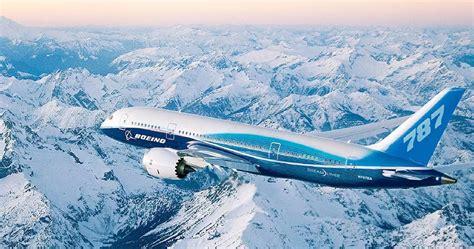
The modern widebody aircraft landscape is defined by engineering daring, aerodynamic refinement, and a relentless pursuit of global reach. Today’s top-performing widebodies embody decades of aerodynamic experimentation, structural innovation, and operational insight. In this comprehensive analysis, we examine the top eight superior widebodies flying today, focusing on the aircraft that continue to shape long-haul travel with unmatched capability and reliability. These machines represent more than transport; they symbolize the permanent evolution of intercontinental mobility.
As we explore the lineage, design breakthroughs, and enduring cultural presence of these aircraft, we also highlight the technologies that make them indispensable to airlines. The following sections delve into the most advanced and iconic widebody jets in service, each with its own identity, legacy, and place in commercial aviation’s shifting hierarchy.
Airbus A340: The Quadjet Long-Haul Pioneer
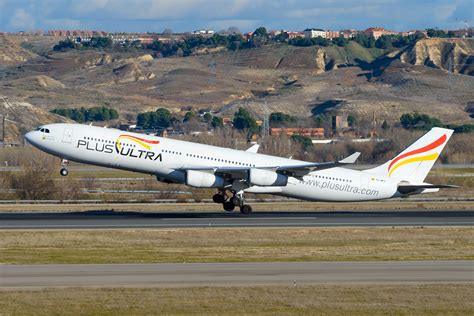
The Airbus A340 stands as one of the last great quad-engine airliners still carving out a niche in global operations. Born into an era when regulatory restrictions demanded four engines for transoceanic flying, the A340 became a design solution to the early limitations of twinjet range. Its long wingspan, refined aerodynamics, and remarkable fuel distribution system allowed unprecedented nonstop performance in the 1990s.
The A340 established records for some of the longest commercial flights ever offered and became synonymous with ultra-long-haul luxury. Passengers often praised its quiet cabin and smooth ride, qualities amplified by a spacious fuselage inherited from the A330/A340 development program. The aircraft introduced full fly-by-wire control and a modern glass cockpit—innovations that became foundational to nearly all subsequent Airbus designs.
Even as twin-engine efficiency standards eventually outpaced it, the A340 continues to fly in select fleets that value its range and payload versatility. Carriers such as Lufthansa have even reactivated stored A340-600s to satisfy demand for First Class on key intercontinental routes.
Boeing 767: The Industry’s Most Versatile Widebody
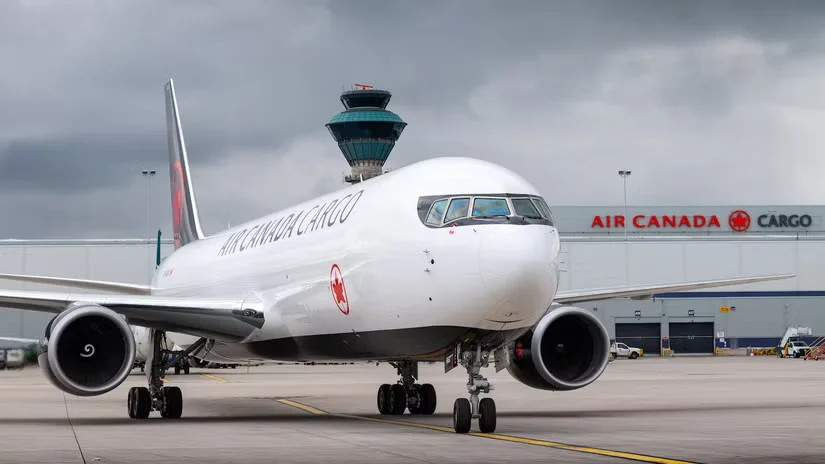
The Boeing 767 became a masterclass in widebody utility thanks to its efficiency, manageable size, and sturdy airframe. Its entry into service marked a pivotal moment for commercial aviation: it became the first twin-engine airliner certified for ETOPS (Extended-range Twin-engine Operational Performance Standards), granting airlines far more profitable route flexibility.
Developed alongside the narrowbody 757, the 767 introduced a two-crew digital cockpit that enabled cross-qualification between both types. This was a major financial advantage to carriers, simplifying training pipelines and reducing operational overhead. The aircraft’s supercritical wing helped minimize drag and optimize fuel consumption, while its seven-abreast 2-3-2 seating configuration remains one of the most passenger-friendly cabin layouts in the world.
Beyond passenger service, the 767 has evolved into one of the world’s leading freighters, and it forms the basis for the U.S. Air Force’s KC-46 Pegasus tanker fleet. Its reputation for reliability and adaptability sustains high demand for both new-build and converted models.
Airbus A330: The Gentle, Efficient Global Workhorse
The Airbus A330 emerged as a staple of transcontinental and intercontinental operations largely due to its quiet cabin, low maintenance demands, and stable operating economics. Enthusiasts often call it the “butter machine,” a testament to its exceptionally smooth landings made possible by its distinctive backward-tilting main landing gear.
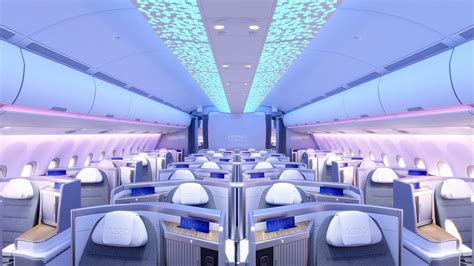
With fly-by-wire controls, refined aerodynamics, and a cabin known for comfort, the A330 became one of the most widely adopted widebodies in history. Its later evolution, the A330neo, brought significant enhancements such as the Airspace cabin concept, Rolls-Royce Trent 7000 engines, improved wing aerodynamics, and dramatic fuel burn reductions of up to 25%. These improvements firmly anchored the A330neo as a long-term favorite for airlines balancing economics and comfort.
Boeing 777: The Iconic Triple Seven
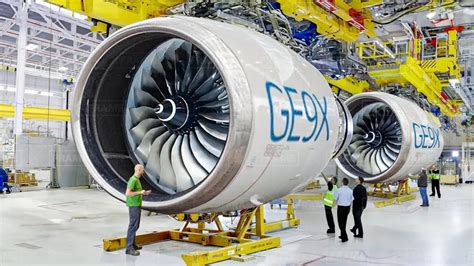
The Boeing 777 occupies a special place in global aviation as the world’s first widebody twinjet designed entirely using CAD (computer-aided design) software. This cutting-edge digital approach enabled Boeing engineers to optimize airflow, reduce weight inefficiencies, and virtually pre-assemble components for unprecedented precision.
The 777 also became the first twinjet certified for 180-minute ETOPS at entry into service, cementing its place as a dependable long-haul performer. Powered by the world’s most powerful commercial turbofan—the GE90-115B—the 777-300ER and 777-200LR remain the backbone of many major airlines’ long-distance fleets.
Inside, the 777 offers an expansive cabin that airlines have used to redefine premium travel products, including Qatar Airways’ enclosed Business Class suites. Looking ahead, the upcoming 777X seeks to elevate long-haul efficiency with folding wingtips, advanced GE9X engines, and next-generation aerodynamics.
Airbus A350: The Original Extra-Widebody
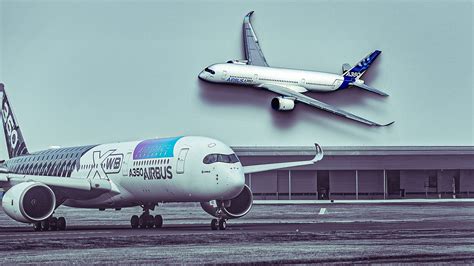
The Airbus A350 represents a watershed moment for composite airliner development. Engineered with more than 50% carbon-fiber-reinforced polymers (CFRP), the A350 achieves superior fuel efficiency, longer airframe life, and lower maintenance requirements. Its extra-wide fuselage enhances personal space, while the Airspace cabin delivers exceptionally low noise levels and reduced cabin pressure equivalent to 6,000 feet.
The A350 has also taken on some of the world’s longest routes, including Singapore Airlines’ nonstops to New York—currently the longest commercial flights globally. The two primary variants, A350-900 and A350-1000, offer increased range and payload capabilities while retaining pilot commonality with the A330. Soon, Qantas’ A350-1000 ULR for Project Sunrise will push the boundaries of nonstop endurance even further.
Boeing 787 Dreamliner: The Composite Revolution
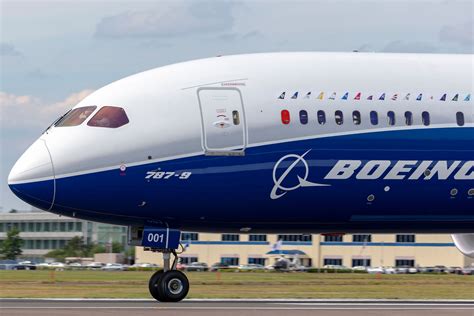
The Boeing 787 Dreamliner marked a pivotal return to clean-sheet aircraft design for Boeing. As the first commercial jetliner to use composite materials for approximately half of its structure, the 787 brings reduced weight, greater fuel burn efficiency, and long maintenance intervals. Its giant dimmable windows, high cabin humidity, and low-altitude pressurization contributed to a significant passenger-comfort leap.
Operationally, the Dreamliner serves as a flexible solution for thinner long-haul routes once operated by the 757 and 767 while also accommodating higher-density markets with the stretched 787-10. Its GEnx and Trent 1000 engines, combined with advanced aerodynamics, deliver a 20–25% improvement in fuel economy over earlier-generation widebodies.
The 787 continues to anchor many airlines’ long-haul networks as manufacturers navigate delays and modernization challenges in other widebody programs.
Boeing 747: The Eternal Queen of the Skies

The Boeing 747 redefined global air travel when it debuted in 1970 as the world’s first jumbo jet and first dual-aisle aircraft. Its distinctive hump, monumental wingspan, and enormous seating capacity ushered in the age of mass long-haul flying. For decades, the 747 served as the flagship of nearly every major airline and delivered a passenger experience many travelers still remember fondly.
Although the jet has retired from most passenger fleets, its legacy continues in cargo operations. The 747 remains the planet’s most capable freighter, supporting high-value logistics, oversized cargo, and specialized missions. It has performed extraordinary roles—from transporting NASA’s Space Shuttle to serving as the U.S. presidential aircraft, Air Force One.
The final 747-8 airframes departed the assembly line in 2023 after an unmatched 55-year production run, cementing its place as one of the most important aircraft in aviation history.
Airbus A380: The One and Only Superjumbo
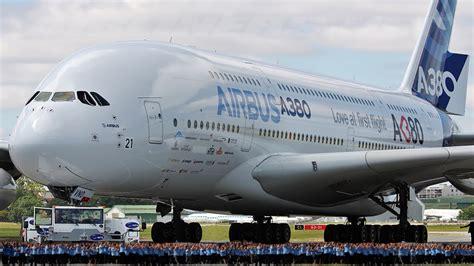
The Airbus A380 stands alone as the world’s only full-length double-deck passenger aircraft. Its cavernous interior enabled airlines to introduce extravagant onboard experiences—from bars and lounges to First Class suites and even in-flight showers. Designed to challenge the Boeing 747’s market dominance, the A380 became a flagship for carriers such as Emirates, Singapore Airlines, and Qantas.
While production ceased in 2021, the A380 has been enjoying an unexpected renaissance. Airlines have returned stored airframes to service as travel demand surges and new widebody deliveries lag behind schedule. With unmatched peak-hour hub capacity, the Superjumbo remains vital on dense long-haul routes where passenger loads justify its operation.
Despite the absence of a successor, the A380 will continue flying for decades through committed operators and extensive maintenance support.
Conclusion: The Continuing Evolution of Widebody Excellence
The modern widebody ecosystem stands at a fascinating crossroads. Aircraft such as the A350, 787, and soon the 777X represent the future—a world driven by efficiency, lower carbon output, and expanded nonstop capability. Meanwhile, iconic giants like the 747 and A380 continue to fly as cultural symbols of aviation’s golden age.
Each aircraft in this list has shaped global travel in its own way, leaving a technical and emotional imprint on airlines, crews, and passengers. Their ongoing impact reminds us that widebody innovation remains one of the most compelling stories in modern engineering. The sky continues to be transformed by the machines that attempt, against all odds, to master it.