Qantas First Class sits at the very top of the carrier’s premium hierarchy, a cabin reserved for a small number of aircraft and an even smaller number of passengers. The product combines a private suite, a compact cabin, and service calibrated to the individual rather than the row, and it is offered on some of the most demanding long-haul routes in commercial aviation. Understanding what a seat in this cabin actually costs means looking beyond a single advertised fare and examining the aircraft that operate the service, the routes they fly, the cash prices observed today, and the premium Qantas is expected to attach to its Project Sunrise non-stop flights.
Where Qantas First Class Is Available Today
Qantas First Class is currently offered only on the airline’s Airbus A380 fleet rather than across its entire long-haul network. The superjumbo operates selected services from Sydney Kingsford Smith Airport (SYD) and Melbourne Airport (MEL) to destinations such as Los Angeles International Airport (LAX) and Dallas/Fort Worth International Airport (DFW). That geographic concentration gives travelers flying between Australia and the United States a genuine opportunity to experience the carrier’s highest cabin, while passengers departing from Adelaide, Brisbane, or Perth must typically add a domestic connection before the international leg begins.
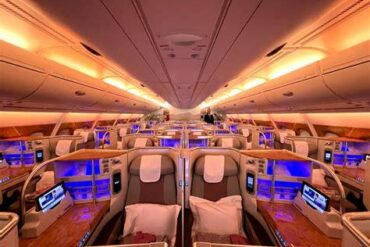
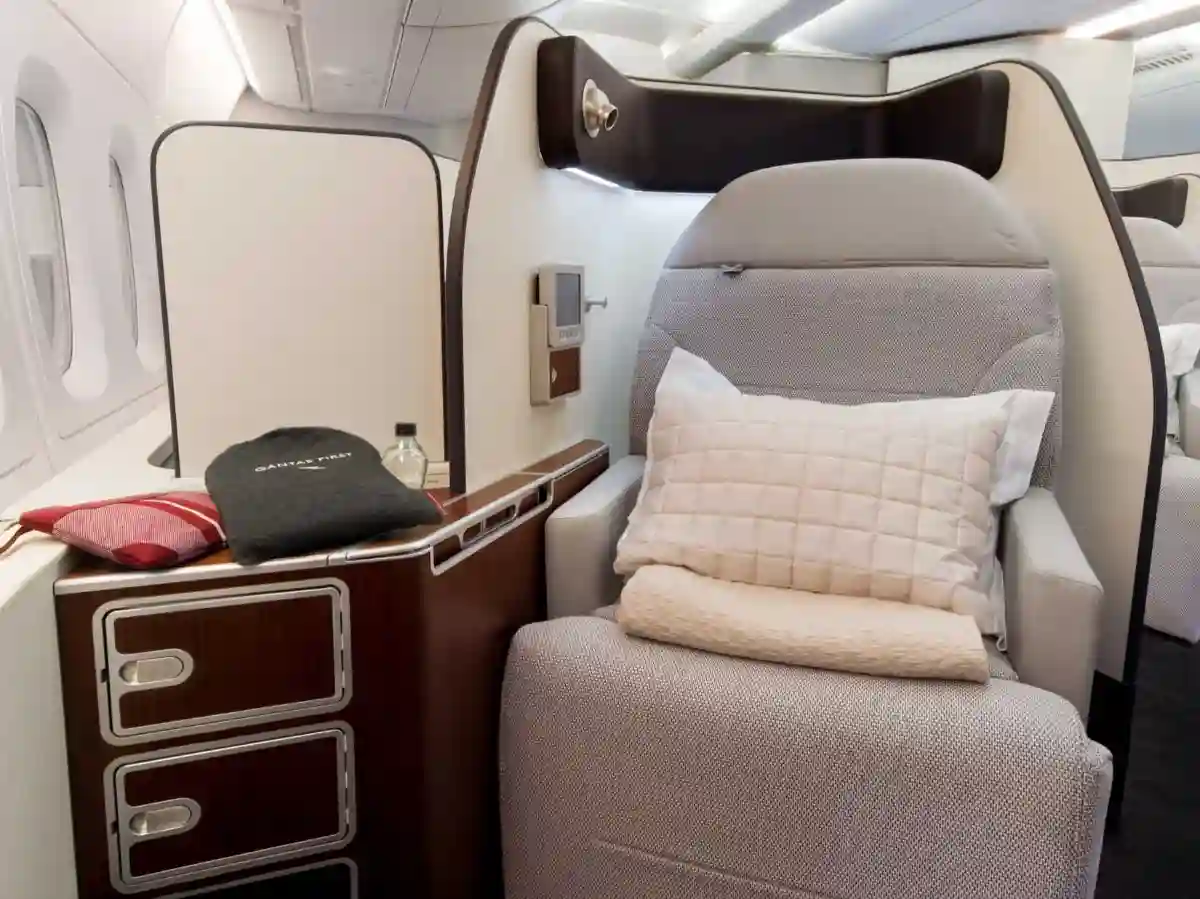
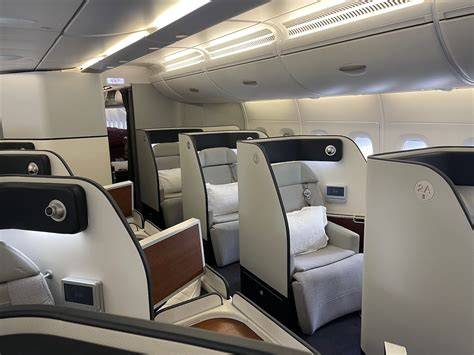
The A380 features just 14 first class suites arranged in a 1-1-1 configuration, so every passenger occupies a separate, self-contained space rather than sharing a conventional row. The layout produces a quiet, private environment in which crew members can devote sustained attention to each traveler across a flight that may run fifteen hours or more. Qantas business class already delivers substantial comfort on long-haul journeys, but first class separates itself through additional floor space, a more elaborate dining and wine program, and a service rhythm built around individual preferences rather than a cabin-wide schedule.
Availability is inseparable from price. A passenger booked onto an aircraft with no first class cabin cannot simply pay more to obtain a suite, which makes aircraft assignment and departure scheduling decisive factors in the cost equation. For travelers determined to fly the product, the narrow network means the itinerary must be planned around the airline’s operating pattern, not the most convenient departure time.
The Real Price Of Flying To The United States
The cost of Qantas First Class becomes most striking on the airline’s long-distance services to the United States. The 8,578-mile journey between Australia and Dallas is among the routes where passengers can face first class fares exceeding $18,000 one-way, depending on departure date, remaining inventory, and the fare conditions attached to the booking. At that level, the ticket represents a serious expense even for travelers accustomed to premium international cabins, and particularly when it is measured against the price of business class on the same aircraft.
These figures are not fixed. Seasonal demand, booking timing, and the number of unsold suites all move the price, and a departure during a peak travel period can command far more than a quieter flight. With only fourteen seats to sell, inexpensive promotional opportunities are difficult to find, and travelers must distinguish carefully between a published or observed fare and a price that will still be available at the moment they commit.
For passengers paying personally, an $18,000 one-way ticket demands more than a passing interest in comfort. The same money could finance several international holidays or a string of business class journeys. Corporate travelers, luxury vacationers, and passengers who place a high value on privacy and uninterrupted rest may find the proposition easier to justify, particularly when the flight replaces an entire day of travel and a connection. The fare reflects an exclusive product rather than a universally practical way to cross the Pacific, and its worth depends almost entirely on what each passenger prioritizes.
Project Sunrise Will Change The Equation
Project Sunrise represents a fundamental shift in Qantas’s long-haul strategy, with non-stop services planned from Sydney and Melbourne to both London Heathrow Airport (LHR) and New York John F. Kennedy International Airport (JFK). These journeys are expected to take approximately 20 hours, removing the need for passengers to change aircraft at an intermediate airport such as Singapore. For first class travelers, the appeal extends beyond saved time, because an uninterrupted journey also means fewer boarding procedures and a more consistent onboard experience from gate to gate.
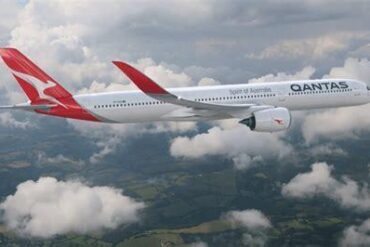
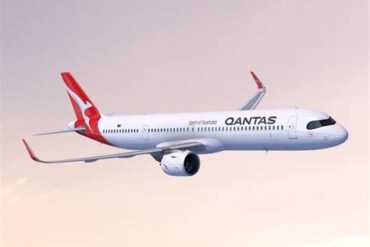
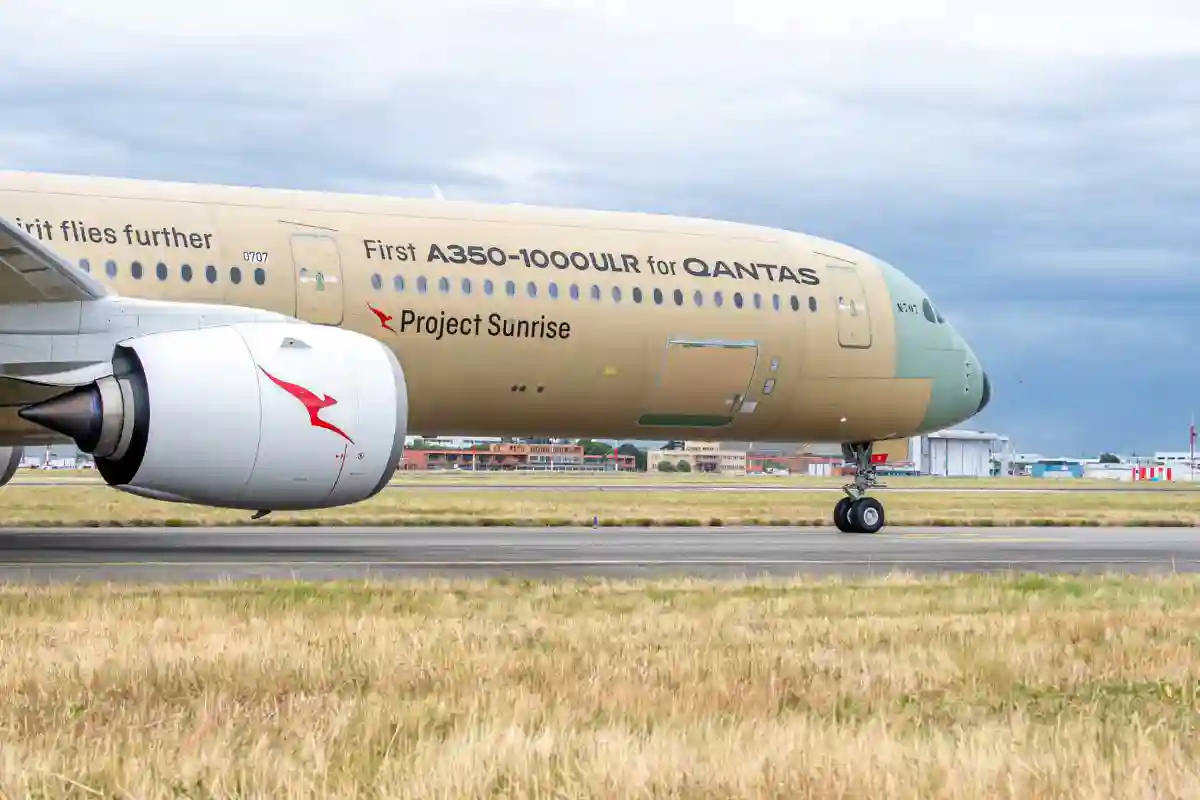
The new services will use the Airbus A350-1000ULR, a long-range aircraft configured specifically for these demanding sectors. Unlike the A380 with its fourteen suites, the A350 will carry just six first class suites, a reduction that makes the cabin considerably more exclusive while simultaneously limiting the number of seats available to passengers willing to pay the premium. Qantas expects its first aircraft around the end of 2026, with non-stop Sydney to London services scheduled to begin in 2027, followed shortly afterward by flights to New York.
Proposed fares have attracted attention because the airline has indicated that non-stop tickets will cost more than existing one-stop services. Chief executive Vanessa Hudson has suggested that Project Sunrise fares could carry a premium of approximately 20% compared with the current Sydney to London journey via Singapore Changi Airport (SIN). Qantas has not published official first class prices, so every figure remains an estimate, but the anticipated premium provides a practical starting point for calculating the likely expense.
What The New First Class Suites Could Cost
Applying the anticipated 20% premium as a guide, Project Sunrise first class suites could cost as much as $14,000 to $17,000 one-way, with return journeys approaching $40,000 at the upper end. That range would place these tickets among the most expensive options available to passengers traveling between Australia and Europe or North America, and it reflects the fact that buyers are paying for two distinct things at once: a non-stop flight and a first class cabin.
The final amount will depend on fare structure, availability, and demand once the new services enter commercial operation. A connecting flight breaks up a long journey and offers an opportunity to leave the aircraft, but it also adds airport time, a second boarding process, and the risk of a missed connection. For passengers who value arriving sooner and avoiding a transfer altogether, the premium may be worthwhile, especially on trips tied to important business commitments or time-sensitive personal obligations.
The estimated figures should not be mistaken for a published price list. Airline pricing responds to demand and inventory, and the launch of a highly anticipated route tends to generate intense interest among premium travelers. A $40,000 return ticket would place the experience firmly within the luxury travel market, and passengers seeking the product will need to wait for confirmed fares before they understand precisely what Qantas intends to charge.
What Passengers Receive For The Money
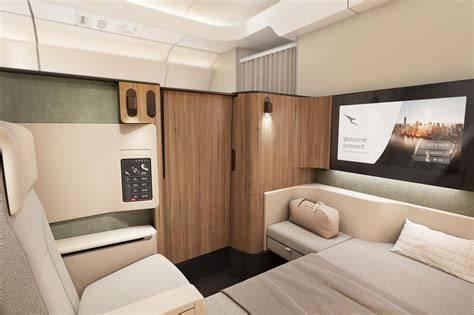
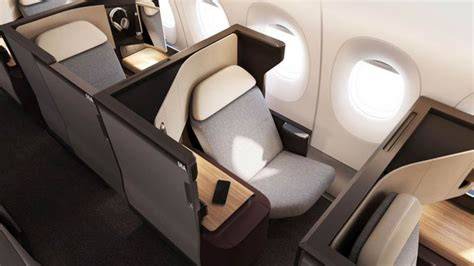
The new first class cabin is designed around a more private experience, with six suites providing considerably more exclusivity than the existing A380 arrangement. On a journey approaching twenty hours, personal space becomes critical, because passengers need somewhere genuinely comfortable to eat, relax, work, and sleep through a flight that spans most of a day. The smaller cabin also sharpens the distinction between first class and the larger premium cabins, where more passengers share the available space and the crew’s attention.
Qantas has emphasized the importance of its premium offering as it prepares for these exceptionally long flights, yet the benefits deserve practical scrutiny rather than an assumption that they justify any price automatically. Passengers will still spend the great majority of the journey inside an aircraft, and the value of additional privacy, attentive service, and non-stop convenience varies according to individual expectations and travel requirements.
There is also a commercial logic to keeping the cabin small. With only six suites available, Qantas can offer an exclusive product while reserving most of the aircraft’s capacity for other passengers. The airline has reportedly barred its top executives from occupying those six suites, ensuring that every seat remains available for paying customers—a policy that underlines how valuable each one could become when the aircraft begins operating some of the world’s longest commercial flights.
Using Qantas Points Instead Of Paying Cash
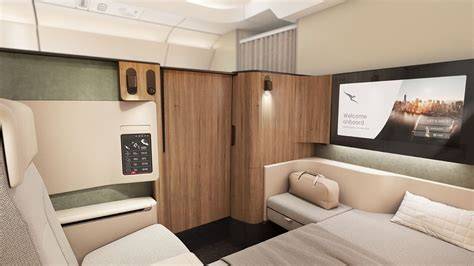
Passengers unwilling to pay five-figure cash fares may consider redeeming Qantas Points through a Classic Flight Reward booking. On comparable first class routes, a reward booking costs 227,800 Qantas Points for a one-way first class suite. That provides another route into the cabin, although the points requirement is substantial and reward availability is typically far more restrictive than the availability of ordinary paid tickets.
The value of a reward booking depends on how many points a passenger has accumulated and what those points could otherwise provide. Someone holding a large balance may reasonably conclude that redeeming for first class is a worthwhile use of them, particularly when the equivalent cash fare is exceptionally high. Points nonetheless carry an opportunity cost, and travelers must factor in taxes, fees, and carrier charges attached to the booking rather than treating the redemption as entirely free travel.
Project Sunrise could make reward seats especially desirable because the six-suite cabin will offer fewer opportunities than the existing A380 configuration. Until Qantas confirms its reward pricing and availability arrangements for the new routes, travelers cannot assume the current 227,800-point figure will apply unchanged. For now, the combination of a potentially $40,000 return fare, a cabin of only six seats, and a reward requirement approaching a quarter of a million points illustrates just how expensive a seat in Qantas First Class could become once non-stop flights to London and New York enter service.