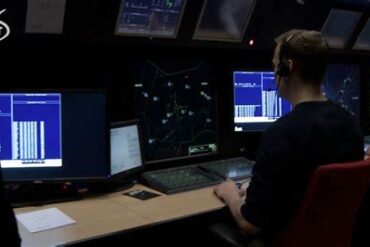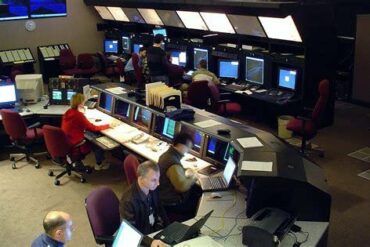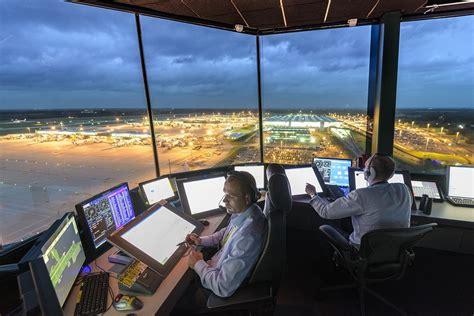
Air traffic control service is essential for ensuring safety in the skies. Its main goal is to prevent collisions between aircraft and obstacles on the ground. This service also helps manage the flow of air traffic efficiently. According to ICAO Annex 11, air traffic control supports various types of flights. It covers all Instrument Flight Rules (IFR) flights in airspace Classes A, B, C, D, and E. Visual Flight Rules (VFR) flights in Classes B, C, and D are also included. Additionally, it accommodates special VFR flights and manages traffic at controlled aerodromes.
Clearances from air traffic control play a crucial role in maintaining safety. They ensure separation between all flights in airspace Classes A and B. For IFR flights in Classes C, D, and E, air traffic control provides necessary spacing. This separation also applies to IFR flights when they interact with VFR flights in Class C. Moreover, it manages the distance between IFR and special VFR flights, as well as between special VFR flights themselves, when required by the appropriate authority.