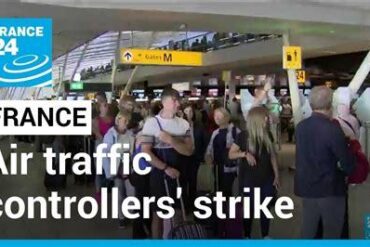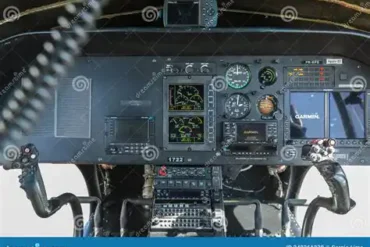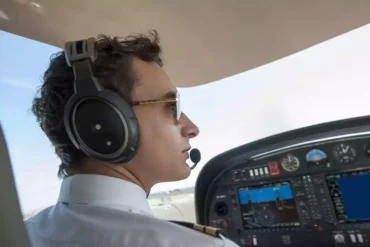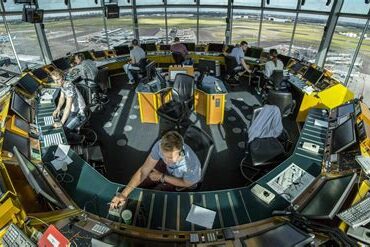
The Emergency Security Control of Air Traffic (ESCAT) is a vital plan created by the U.S. Federal Aviation Administration (FAA). It outlines how different government departments, such as the Department of Defense, the Department of Transportation, and the Department of Homeland Security, should work together during emergencies to manage air traffic effectively. This plan is crucial for ensuring national security.
ESCAT replaces the older term, Security Control of Air Traffic and Air Navigation Aids (SCATANA). SCATANA was notably used on September 11, 2001, when the FAA grounded all air traffic in response to terrorist attacks. The current guidelines for ESCAT can be found in Advisory Circular 99-1E.
The ESCAT plan lays out specific responsibilities, procedures, and instructions needed to control both civil and military air traffic. This control is essential for making effective use of airspace during various emergency situations. It applies to all U.S. airspace and any other areas where the FAA has jurisdiction through international agreements.
Additionally, ESCAT defines the roles and processes for identifying and managing air traffic in designated defense areas during emergencies. In such cases, military authorities will oversee decisions related to landing, grounding, diverting, or dispersing aircraft to protect the U.S. during critical times.