Flight Information Publications, commonly known as FLIPs, play a vital role in aviation. These publications are created by national authorities to ensure that essential aeronautical information is shared internationally. This information is crucial for safe air navigation. However, when a flight crosses multiple countries, carrying all the required documents can be impractical. That’s where FLIPs come in. Produced by commercial organizations, these guides provide an accessible way to present authoritative documentation for pilots during flights.
FLIPs are designed to fit easily into flight bags and can be accessed quickly on the flight deck without hassle. They cover information not limited to one country but instead encompass various nations within specific geographical regions. Typically, a FLIP includes several key documents. These may consist of manuals that list general aeronautical data and country-specific details. Such information includes rules of the air, air traffic control procedures, communication facility directories, airport directories, aeronautical codes, emergency procedures, and much more.
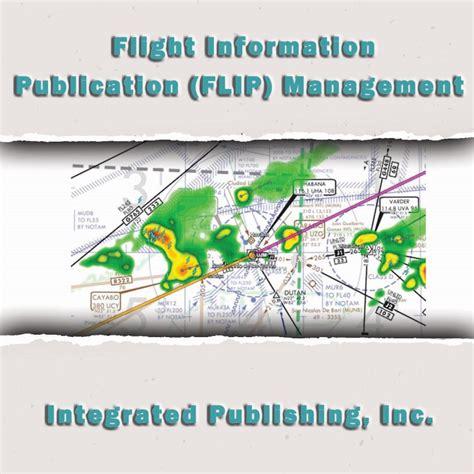
Additionally, FLIPs feature charts that illustrate route information, including airports, airways, navigation aids, and protected airspace. They also provide charts for Standard Instrument Departures (SIDs) and Standard Terminal Arrival Routes (STARs). Importantly, these publications include charts depicting instrument approach procedures for airports, offering valuable data from which runway approach minima can be derived. Airport layout, taxiways, and obstructions are also detailed within these charts.
FLIPs are regularly updated, aligning with the standard amendment cycles of Aeronautical Information Publications. These resources are available in both electronic and printed formats, ensuring pilots have the information they need at their fingertips.