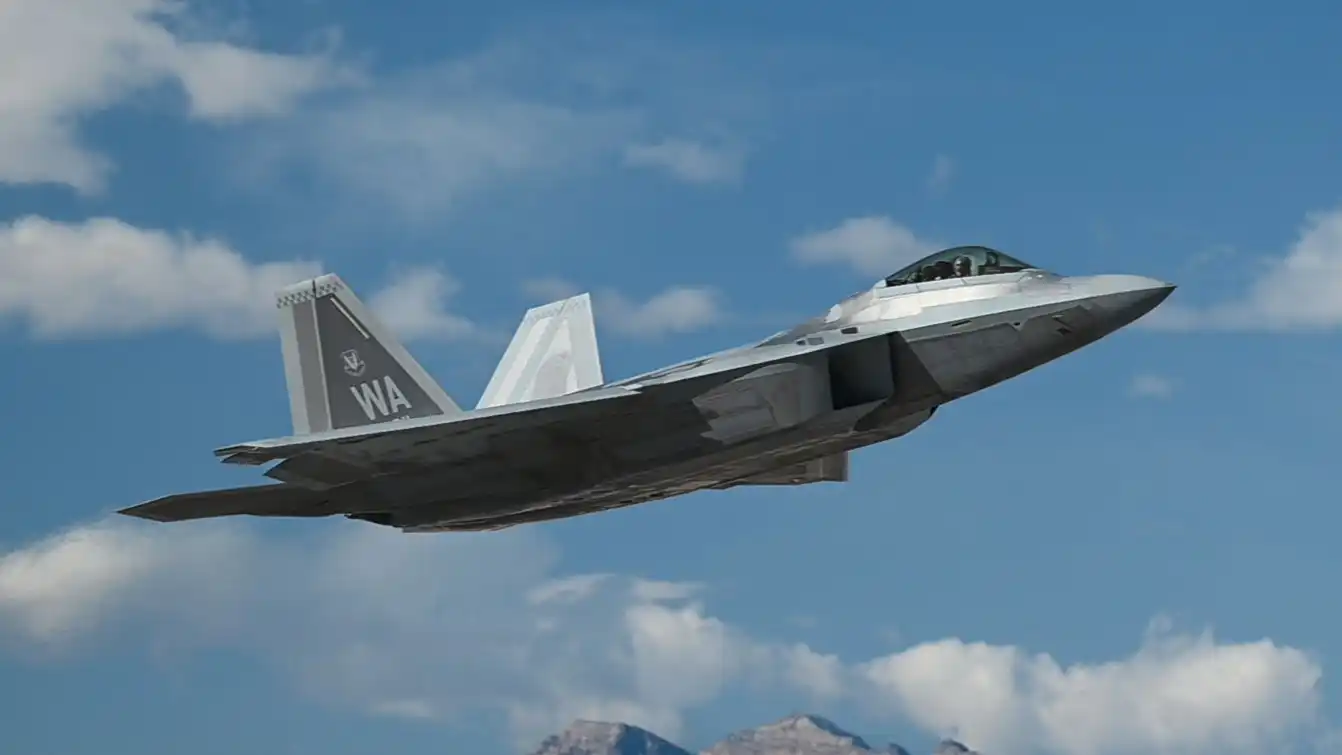
The F-22 Integrated Maintenance Information System (IMIS) is a sophisticated and mission-critical framework designed to streamline maintenance processes for the F-22 Raptor, one of the most advanced fighter jets in the world. IMIS integrates advanced diagnostics, predictive analytics, and digitalized workflows to ensure maximum operational efficiency, reduced downtime, and optimized resource utilization. This article delves into the core components, key technological features, operational impact, challenges, and future advancements of the IMIS.
Core Components of IMIS
IMIS is structured into three main subsystems, each designed to address different facets of aircraft maintenance and operational readiness.
Portable Maintenance Aid (PMA)
The Portable Maintenance Aid (PMA) is a ruggedized tablet that provides maintenance personnel with instant access to real-time diagnostic data, interactive electronic technical manuals (IETM), and troubleshooting procedures. As a field-deployable device, it eliminates the need for technicians to rely on traditional paper manuals.
Key Features:
- Direct connection to aircraft data ports for real-time diagnostics.
- Sunlight-readable display for outdoor usability.
- Integration with 3D CAD models for in-depth component analysis.
- Secure wireless communication for seamless data transfer between systems.
This device significantly reduces maintenance time and ensures accurate fault isolation, improving overall aircraft readiness.
Maintenance Support Center (MSC)
The Maintenance Support Center (MSC) serves as the ground-based command unit for analyzing aircraft health data. It receives diagnostic data from the aircraft’s Data Transfer Cartridge (DTC) and generates comprehensive maintenance schedules and repair strategies.
Functions of the MSC:
- Predictive analytics for identifying potential component failures.
- Optimized maintenance scheduling to ensure minimal aircraft downtime.
- Parts and logistics coordination to manage replacement components efficiently.
With MSC integration, maintenance teams can anticipate and address potential issues before they escalate, significantly enhancing the longevity and reliability of the F-22 fleet.
Maintenance Workstation (MWS)
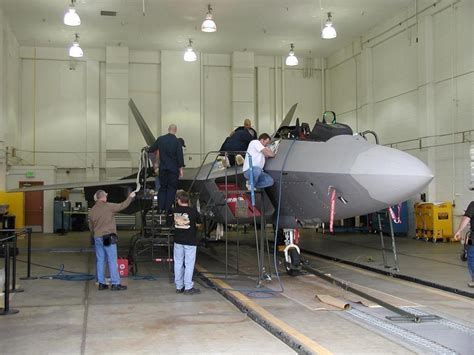
The Maintenance Workstation (MWS) is a centralized hub at operating bases that facilitates complex repairs, software updates, and in-depth system diagnostics. The MWS is designed for high-level fault analysis and troubleshooting, connecting directly with military logistics networks to ensure efficient coordination of repair efforts.
MWS capabilities include:
- Software patches and avionics updates for F-22 systems.
- Detailed fault analysis and corrective action planning.
- Integration with broader military maintenance databases.
This workstation ensures that all maintenance operations are fully synchronized with strategic mission planning.
Key Technological Features of IMIS
IMIS incorporates several groundbreaking technologies that redefine the efficiency and accuracy of aircraft maintenance.
Automated Fault Detection and Isolation
By leveraging advanced Built-in Test (BIT) systems, IMIS is capable of identifying faults down to the module level (e.g., circuit boards). The system can automatically reconfigure aircraft subsystems to bypass non-critical failures, reducing the need for extensive manual troubleshooting.
Interactive Electronic Technical Manuals (IETM)
Replacing conventional manuals, IETMs provide dynamic, interactive guides tailored to the specific maintenance task at hand. These manuals include 3D-rendered schematics of the aircraft’s components, allowing technicians to zoom, rotate, and analyze parts with greater precision.
Data Integration and Predictive Maintenance
IMIS aggregates all maintenance data, including repair logs, component failure rates, and historical maintenance trends. Using predictive analytics, the system forecasts component lifespans, enabling more proactive maintenance strategies and reducing unscheduled downtime.
Interoperability with Other Systems
IMIS is designed to function seamlessly with the F-22’s onboard systems, including:
- AN/ALR-94 electronic warfare suite
- AN/APG-77 active electronically scanned array (AESA) radar
By cross-referencing sensor data with mechanical diagnostics, IMIS improves fault detection accuracy and enhances mission readiness.
Operational Impact of IMIS
Reduced Manpower Requirements
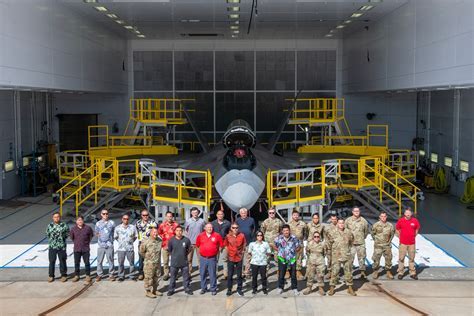
Thanks to its automation capabilities, IMIS significantly lowers the number of personnel required for aircraft maintenance. Each F-22 requires only 8.5 maintenance personnel, compared to 23.5 for the F-15, demonstrating a dramatic efficiency improvement.
Faster Turnaround Time
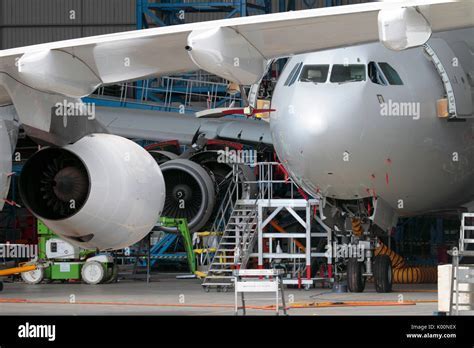
Maintenance efficiency is critical in combat scenarios. IMIS reduces the average maintenance interval to 3 hours, with a 33% reduction in post-mission preparation time. Simultaneous rearming and refueling operations are also streamlined through automated workflows.
Cost Efficiency
IMIS cuts lifecycle support costs by 50% over 20 years compared to the F-15 maintenance framework. These savings stem from:
- Optimized spare part inventories
- Reduced unnecessary component replacements
- More efficient logistics management
Challenges and Upgrades
Legacy System Limitations
Earlier IMIS versions struggled with limited onboard storage for sensor fusion data. However, the latest Release 4 software upgrade now supports:
- Third-party app integration for expanded functionalities.
- Enhanced data-link compatibility (e.g., LINK-16) for better interoperability with fourth-generation aircraft.
Stealth Coating Maintenance
One of the most maintenance-intensive aspects of the F-22 is its radar-absorbent coating, which accounts for 50% of all maintenance hours. While not directly part of IMIS, the system plays a crucial role in tracking coating degradation and scheduling precise repairs.

Future Developments
Looking ahead, the U.S. Air Force is actively exploring AI-driven predictive maintenance tools and augmented reality (AR) interfaces for IMIS. These advancements aim to:
- Reduce human error in diagnostics and repairs.
- Enable real-time remote expert assistance for field technicians.
- Leverage AI-powered analytics to enhance component failure predictions.
Conclusion
The F-22 Integrated Maintenance Information System (IMIS) represents a transformative approach to modern military aviation maintenance. By integrating cutting-edge diagnostics, data-driven decision-making, and automation, IMIS has enhanced the efficiency, cost-effectiveness, and readiness of the F-22 Raptor fleet. The system’s influence extends beyond the F-22, shaping next-generation maintenance frameworks for aircraft such as the F-35 and NGAD.
FAQ
1. How does IMIS improve F-22 maintenance efficiency?
IMIS automates fault detection, streamlines maintenance workflows, and integrates predictive analytics to reduce repair times, minimize manual troubleshooting, and optimize resource allocation.
2. What are the biggest challenges IMIS has faced?
Early IMIS versions struggled with limited onboard data storage and interoperability issues. These challenges have been addressed through software updates and expanded system compatibility.
3. How does IMIS contribute to cost savings?
By reducing spare part inventories, minimizing downtime, and cutting personnel requirements, IMIS lowers total lifecycle support costs by 50% compared to older maintenance systems.