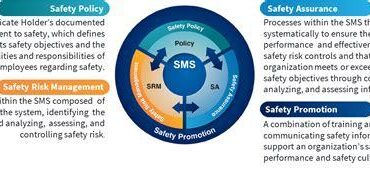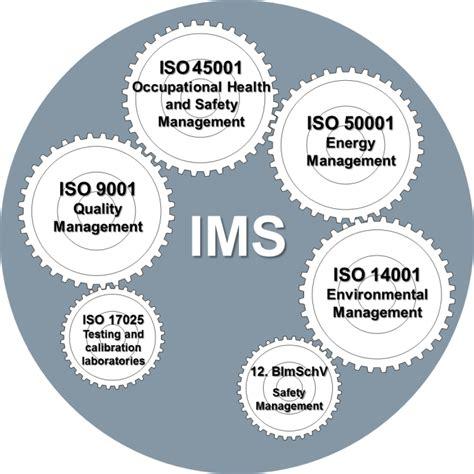
An Integrated Management System (IMS) combines various management systems used within an organization, including a Safety Management System (SMS). The ICAO Safety Management Manual (Doc 9859) emphasizes that safety management should be part of a broader management system rather than treated separately. Therefore, a service provider can implement an IMS that encompasses an SMS.
Typically, an IMS may also include a Quality Management System (QMS), Security Management System, Environmental Management System, Fatigue Risk Management System, Occupational Health and Safety Management System, Documentation Management System, and Financial Management System. The goal of an IMS is to streamline processes by consolidating multiple certifications and authorizations while managing safety risks across different activities.
Some potential advantages of an IMS are reducing conflicting responsibilities, considering the broader impacts of risks and opportunities, and allowing for effective monitoring of performance across all activities. However, integrating management systems also poses challenges. For instance, existing systems might have different functional managers who resist integration, leading to conflicts. Additionally, personnel affected by these changes may resist due to the need for increased cooperation and coordination.
There could also be an impact on the overall safety culture, as differing cultures within each system may create tensions. Regulations might restrict such integrations, and different regulatory bodies may have varying expectations regarding compliance. Finally, merging systems like QMS and SMS might require extra work to ensure that all individual requirements are met.