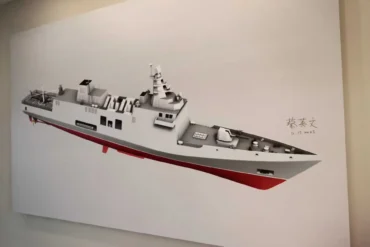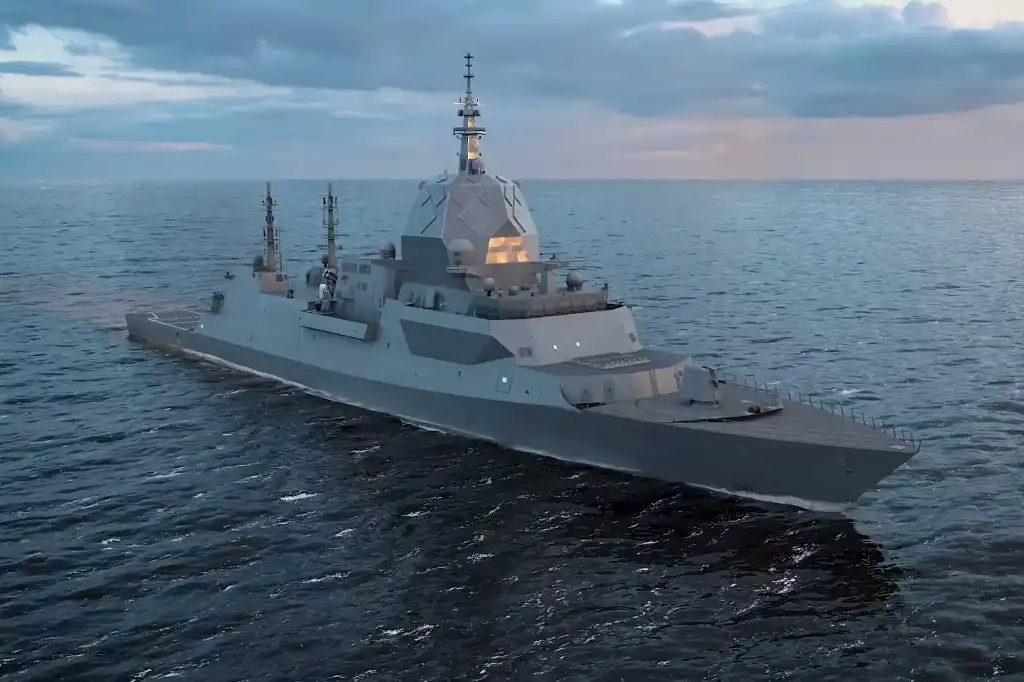
The Royal Australian Navy’s future Hunter-class frigates are set to become deeply integrated into the U.S.-led naval missile defense ecosystem following the confirmation that the Synapsis tactical interface can directly interact with the Aegis Combat System. This technological bridge connects Australia’s next-generation surface combatants to the same missile engagement architecture used by allied Aegis fleets, enabling coordinated air and missile defense across multinational naval formations.
Announced on March 11, 2026, by the German naval technology company Anschütz, the upgrade represents a significant step toward aligning Australia’s future surface fleet with the operational frameworks already used by the United States Navy and other Aegis-equipped allies. Through this integration, Hunter-class operators will be able to access the Aegis fire control network while maintaining a sovereign national interface for shipboard command and tactical management.
The development effectively merges Australia’s national combat management environment with the international Aegis missile defense architecture, allowing combat information, targeting tracks, and engagement commands to circulate seamlessly between systems. In practical terms, this means a Hunter-class frigate could launch an interceptor based on sensor data provided by another allied ship, dramatically expanding the defensive reach of coalition naval task forces.
Strategic Integration of Synapsis with the Aegis Combat System
At the center of the integration is the Synapsis tactical interface, a modular command environment designed to unify navigation, sensor feeds, and tactical data into a coherent operational picture. Developed by Anschütz, the system functions as the human-machine interface that allows ship crews to interact with complex combat and navigation systems through shared workstations and consolidated displays.
The integration with the Aegis Combat System links Synapsis directly to the missile defense architecture that governs radar tracking, fire control, and interceptor launches. Rather than replacing the Aegis weapon control structure, Synapsis acts as a national command layer, allowing Australian crews to control engagements and view sensor data through a familiar operational interface while still using the proven American-developed weapons network.
This arrangement mirrors similar hybrid architectures used by several allied navies operating Aegis warships. The concept allows countries to maintain sovereign control over operator interfaces and tactical workflows while still participating fully in the International Aegis Fire Control Loop, the distributed network that enables cooperative missile engagements.
Within this framework, tactical data—including radar tracks, navigation status, and weapon availability—flows continuously between the ship’s internal combat systems and the wider Aegis network. The result is a layered command architecture that blends national and allied technologies without forcing operators to switch between separate command environments.
Aegis: The Backbone of Allied Naval Missile Defense
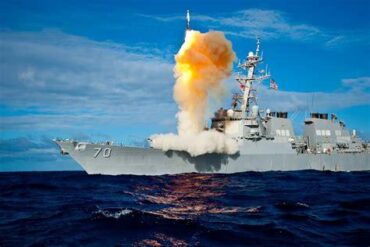
The Aegis Combat System is widely regarded as one of the most sophisticated naval air and missile defense architectures ever deployed. Originally developed for the United States Navy, Aegis integrates powerful radar sensors, advanced command software, and missile launch systems into a single combat network designed to detect, track, and neutralize aerial threats at long range.
At its core lies a layered defensive structure capable of engaging aircraft, cruise missiles, and ballistic missiles simultaneously. The system relies on highly advanced radar sensors that continuously scan the surrounding airspace, creating a real-time tracking map of potential threats. Earlier Aegis ships relied on the AN/SPY-1 radar, a phased-array system that revolutionized naval air defense when it entered service.
More recent upgrades incorporate the AN/SPY-6 active electronically scanned array radar, a sensor reportedly up to thirty times more sensitive than the SPY-1D. This enormous improvement in sensitivity and processing capacity allows the radar to detect smaller targets at longer ranges while tracking a significantly larger number of threats simultaneously.
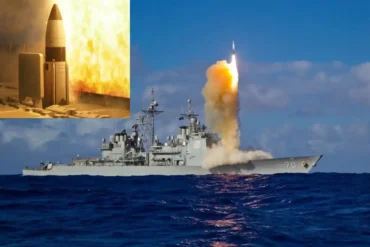
Aegis warships typically deploy the Mk-41 Vertical Launching System (VLS), a modular missile launcher embedded into the ship’s deck. Each launch cell can accommodate different types of missiles, allowing naval commanders to configure their defensive and offensive loadouts depending on mission requirements.
Missiles commonly used in the Aegis architecture include:
- RIM-161 Standard Missile-3 (SM-3) for exo-atmospheric interception of ballistic missiles.
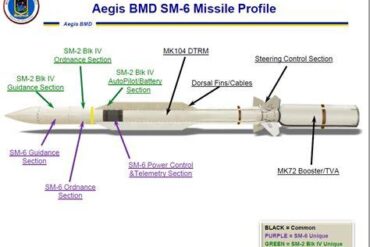
- RIM-156 Standard Missile-2 Extended Range Block IV (SM-2) for high-altitude air defense within the atmosphere.
- RIM-162 Evolved Sea Sparrow Missile (ESSM) for short-range point defense against fast-moving threats.
Because the networked architecture allows cooperative engagement, one ship can launch an interceptor guided by sensor data from another vessel. This capability effectively extends the defensive envelope of a fleet far beyond the radar horizon of a single ship.
Hunter-Class Frigates and Australia’s Future Surface Fleet
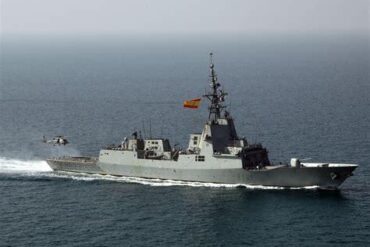
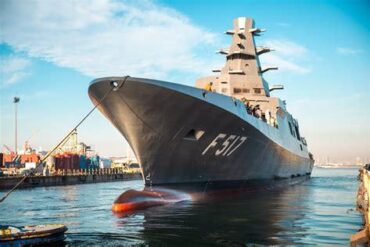
The Hunter-class frigate program represents one of the largest naval modernization efforts in Australian history. Based on the Type 26 Global Combat Ship design developed for the Royal Navy, the vessels are being built at the Osborne Naval Shipyard in South Australia and are intended to replace the aging Anzac-class frigates currently serving as the backbone of the Australian surface fleet.
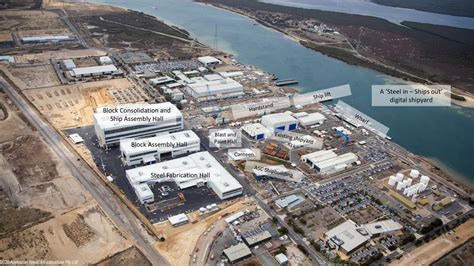
Originally envisioned as a fleet of nine ships, the program was later adjusted to six frigates under the Enhanced Lethality Surface Combatant Fleet initiative. Despite the reduction in numbers, the ships are designed to be among the most capable anti-submarine warfare platforms ever operated by the Royal Australian Navy.
Each Hunter-class vessel will displace more than 8,800 tons, stretch nearly 150 meters in length, and feature a beam of approximately 21.4 meters. The design incorporates stealth features, advanced sensor systems, and a propulsion configuration optimized for quiet operation—an essential characteristic when tracking submarines.
The propulsion system uses a Combined Diesel-Electric or Gas (CODLOG) configuration. In this setup, the ship can cruise using quiet electric motors powered by diesel generators, minimizing acoustic emissions that could reveal its position to enemy submarines. When higher speed is required, a gas turbine can engage to provide additional power.
These characteristics make the Hunter class particularly suited for Indo-Pacific maritime operations, where vast ocean distances and increasing submarine activity demand ships capable of long-duration patrols and highly sensitive detection capabilities.
Aviation Facilities and Submarine Detection Capabilities
A defining feature of the Hunter-class design is its emphasis on anti-submarine warfare (ASW). Modern submarine threats—particularly quiet diesel-electric boats operating in littoral waters—require a combination of advanced sensors and airborne assets to detect effectively.
The ships will feature a large flight deck and enclosed hangar capable of operating the MH-60R Seahawk helicopter, a platform widely used for submarine hunting and maritime surveillance.
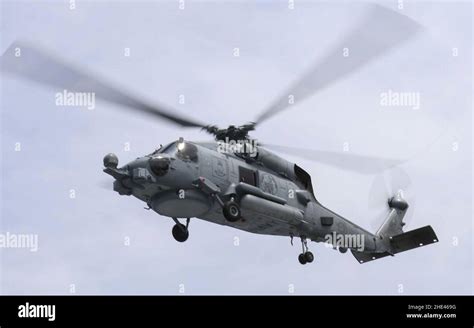
The helicopter extends the detection radius of the ship by deploying dipping sonar, sonobuoys, and radar sensors far beyond the range of the frigate’s onboard equipment. Once a submarine contact is detected, the helicopter can deploy lightweight torpedoes to engage the target.
Complementing the aviation capabilities is a sophisticated sonar suite combining hull-mounted sensors with towed array systems. A towed array sonar consists of a long cable filled with hydrophones that trails behind the ship, allowing it to detect the faint acoustic signatures produced by distant submarines.
Because the array operates far from the noise of the ship’s own machinery, it dramatically improves detection range and sensitivity. The data from these sensors feeds directly into the ship’s combat management system, where it can be correlated with other intelligence sources and used to coordinate attacks.
Layered Missile Defense and Strike Capability
The Hunter-class frigates will carry a diverse and flexible weapons loadout, designed to provide layered defense against air threats while maintaining significant offensive strike capability.
Forward of the bridge, the ships will be equipped with a 32-cell Mk-41 Vertical Launching System, the same launcher used by many Aegis warships worldwide. The modular design allows a mixture of missiles to be carried simultaneously.
Depending on mission needs, the launch cells can host:
- SM-2 surface-to-air missiles, capable of engaging aircraft and incoming missiles at distances of roughly 150 kilometers.
- ESSM Block II interceptors, optimized for high-speed short-range threats with engagement ranges around 50 kilometers.
Because four ESSM missiles can be packed into a single Mk-41 cell, the launcher could theoretically carry up to 128 interceptors when configured for dense defensive coverage.
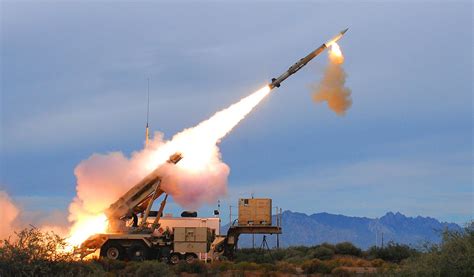
The Mk-41 launcher also supports BGM-109 Tomahawk land-attack cruise missiles, giving the Hunter class the ability to strike strategic land targets at distances exceeding 1,500 kilometers depending on the variant used. This capability transforms the frigate from a purely defensive escort into a long-range precision strike platform.
For surface warfare, the ships will carry eight Naval Strike Missiles (NSM) mounted in two quadruple launchers positioned amidships. The Norwegian-designed missile is known for its low-altitude sea-skimming flight profile and imaging infrared seeker, allowing it to identify and attack enemy ships with high precision at ranges of roughly 185 kilometers.
Additional firepower will come from a Mk-45 Mod 4 127 mm naval gun, capable of delivering naval gunfire support to troops ashore or engaging surface targets up to 23.6 kilometers away.
Network-Centric Warfare and Coalition Fleet Defense
The integration of Synapsis with Aegis ensures that Hunter-class frigates will operate as fully networked nodes within coalition naval task groups. Rather than functioning as isolated warships, these vessels will participate in a distributed sensor and weapon network where data flows continuously among allied platforms.
This concept—often described as network-centric warfare—allows fleets to pool their detection capabilities. A radar contact identified by one ship can immediately be shared with others, allowing weapons to be launched from the most advantageous platform.
The implications are profound. A Hunter-class frigate could potentially intercept a missile detected by a U.S. destroyer hundreds of kilometers away, or provide tracking data that enables another ship to launch an interceptor.
Such interoperability significantly strengthens the collective defensive umbrella protecting allied naval forces, particularly in regions where missile threats are rapidly evolving.
Strengthening Allied Maritime Security in the Indo-Pacific
The Indo-Pacific has become one of the most strategically contested maritime regions in the world. Rising naval modernization, expanding missile arsenals, and increasing submarine activity have transformed the region into a complex operational environment.
By integrating its future frigates directly into the Aegis missile defense ecosystem, Australia ensures that its fleet will operate seamlessly alongside the naval forces of key allies. The combination of advanced sensors, cooperative engagement capability, and long-range missiles positions the Hunter-class as a central element of allied maritime security.
When the first ships enter service later in the decade, they will not simply represent new additions to the Royal Australian Navy. They will form part of a distributed defensive network spanning multiple allied fleets, capable of detecting, tracking, and neutralizing threats across vast ocean distances.
In an era where naval warfare increasingly revolves around information sharing and coordinated missile defense, the Hunter-class frigates embody the next evolution of coalition maritime power—ships designed not just to fight alone, but to operate as intelligent nodes within a global naval combat system.