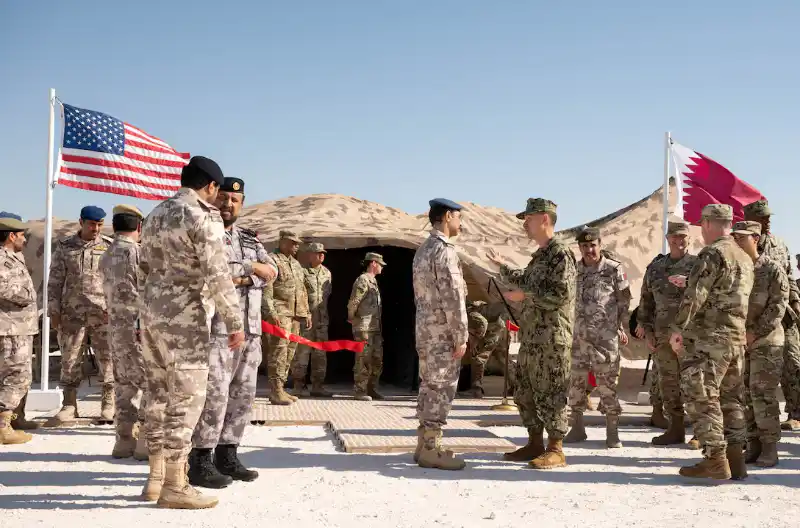
The activation of a multinational air defense command in Qatar marks a decisive shift in how the United States and its allies confront the evolving missile and drone threat environment in the Middle East. At a moment when aerial attacks are becoming faster, cheaper, and more complex, coalition forces are prioritizing integration over isolation, signaling that future defense will depend on awareness rather than fragmented national systems.
Announced in mid January 2026, the initiative brings together U.S. forces and regional partners at Al Udeid Air Base, already the nerve center of coalition air power. The move reflects growing concern over the expanding reach, accuracy, and volume of missiles and unmanned aerial systems deployed by state and non state actors across the region. By embedding partners into an operational framework, the coalition aims to shorten decision cycles and close gaps that adversaries increasingly seek to exploit.
The structure is not a symbolic headquarters but a functional command cell designed for continuous operations. Integrated directly within the Combined Air Operations Center, the Middle Eastern Air Defense – Combined Defense Operations Cell, known as MEAD-CDOC, is built to operate around the clock, fusing sensor data, intelligence feeds, and command decisions into a picture of the air domain.
Strategic Rationale Behind the New Command
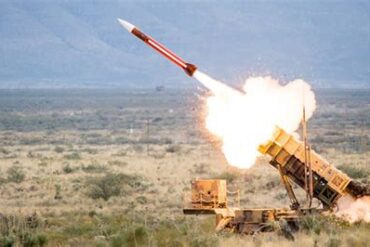
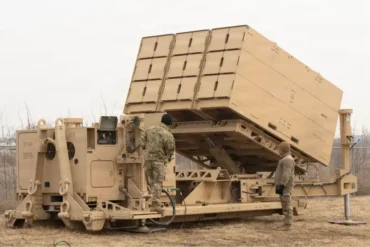
The rationale for establishing this coordination cell lies in the changing character of aerial warfare. Modern threats rarely arrive from one direction or in one form. Ballistic missiles, low flying cruise missiles, and swarming drones can be launched simultaneously, overwhelming defenses that are not tightly synchronized. The command structure is intended to ensure that early warning radars, interceptor batteries, and fighter aircraft operate as a unified shield rather than as disconnected national assets.
By colocating multinational personnel within the same operational floor, the command enables real time collaboration during crises. Decisions that once required time consuming bilateral coordination can now be made collectively, reducing response times measured in minutes that can determine whether an incoming threat is intercepted or impacts its target. This operational intimacy represents an evolution in regional defense cooperation.
Integration Within the Combined Air Operations Center
Rather than creating an entirely separate headquarters, planners deliberately embedded the air defense cell within the existing Combined Air Operations Center. This approach leverages established command infrastructure, secure communications, and battle management systems already in daily use. It also ensures that air defense planning is aligned with broader air operations, including strike missions, surveillance flights, and defensive counter air patrols.
The Combined Air Operations Center has long coordinated coalition air campaigns, but the addition of a dedicated multinational air defense cell deepens its mission. Air defenders now work side by side with air planners, allowing defensive considerations to shape operational decisions from the outset rather than as an afterthought.
Responding to Iranian Missile and Drone Capabilities
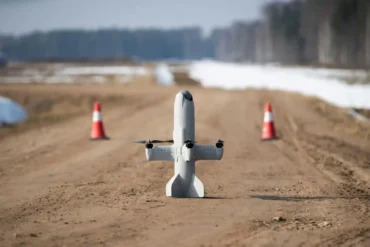
While official statements avoid naming adversaries, the strategic context is unmistakable. Iran has invested heavily in expanding its missile inventory and refining its unmanned systems, while allied proxy groups have demonstrated increasing sophistication in their use. Recent conflicts have shown how inexpensive drones can be combined with missiles to probe defenses, gather intelligence, and saturate interception capacity.
The command is designed to counter this layered threat. By sharing tracking data and engagement status across national boundaries, coalition forces can allocate interceptors more efficiently and avoid redundant or delayed responses. This approach enhances deterrence by signaling that an attack on one partner will be met by a coordinated regional defense.
Building on Previous Regional Defense Efforts
The establishment of the cell builds on earlier bilateral initiatives launched over recent years. Cooperative command posts with Gulf partners laid groundwork for shared procedures and trust, but their scope remained limited. The structure expands those lessons into a standing multinational framework, connecting multiple national defense systems into an operational network.
Training and exercises are central to the effort. Regular drills conducted within the command allow personnel to rehearse complex scenarios, refine communication protocols, and adapt to emerging threat profiles. Over time, this interaction is expected to produce a level of interoperability that cannot be achieved through occasional joint exercises alone.
Implications for Regional Deterrence and Stability
Beyond operational benefits, the activation of the air defense command carries broader strategic implications. It demonstrates a U.S. commitment to regional security while empowering partners to play a more integrated role in defense. This ownership strengthens political ties and reduces perceptions that security depends solely on unilateral American action.
For adversaries, the message is equally clear. Fragmented defenses invite experimentation and escalation, while integrated systems raise the cost and uncertainty of attack. By improving coordination and situational awareness, the coalition reduces vulnerabilities that could otherwise be exploited during periods of tension.
As missile and drone technologies continue to proliferate, the success of this command will be measured not only by interceptions but by deterrence it creates. The air defense coordination center in Qatar represents a response to a changing threat landscape, anchoring regional security in cooperation, speed, and responsibility.