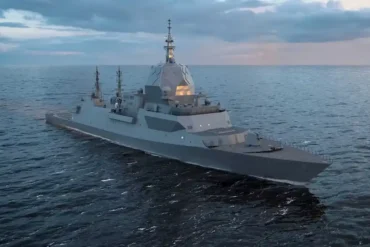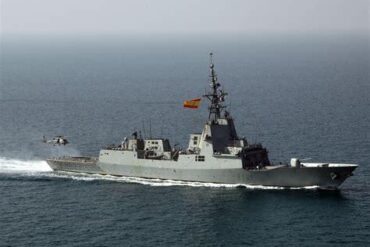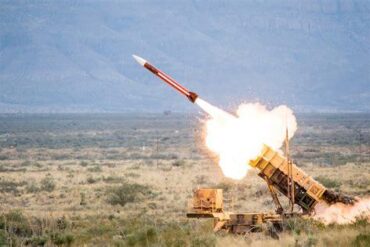
The recent U.S. approval of a $3.5 billion missile sale to Germany marks a strategic inflection point in European naval defense. With the greenlighting of Standard Missile-6 (SM-6) Block I and Standard Missile-2 (SM-2) Block IIIC exports, Germany is poised to dramatically upgrade the offensive and defensive capabilities of its upcoming F127 air and missile defense frigates. This pivotal development further binds Germany into the architecture of NATO’s integrated maritime air defense and signals Berlin’s commitment to assume a more assertive maritime role in the Baltic and North Atlantic theaters.
Germany’s Naval Ambitions Strengthened Through Strategic Missile Acquisition
Germany’s decision to procure up to 173 SM-6 Block I and 577 SM-2 Block IIIC missiles from the United States aligns with a clear push to modernize its naval assets into the upper tier of European maritime power. The U.S. State Department’s authorization, announced on November 14, 2025, highlights Berlin’s urgency in acquiring multi-role, long-range missile systems capable of neutralizing advanced aerial and missile threats.
This transfer falls under the Foreign Military Sales (FMS) framework and includes a comprehensive support package: container systems (MK 21 and MK 13), test equipment, spare parts, training materials, and lifecycle sustainment services. The designated prime contractor, RTX Corporation, will conduct manufacturing across its industrial bases in Camden, Tucson, and Huntsville, with offset agreements expected to be negotiated bilaterally.
The F127 Frigates: Europe’s Emerging Naval Shield
The German Navy’s F127 program, rooted in the MEKO A-400 AMD platform, aims to produce a class of 10,000-ton displacement frigates tailored for high-intensity air and missile defense missions. At approximately 160 meters in length, the F127 represents a transformative leap from earlier platforms, embracing both size and systems sophistication.
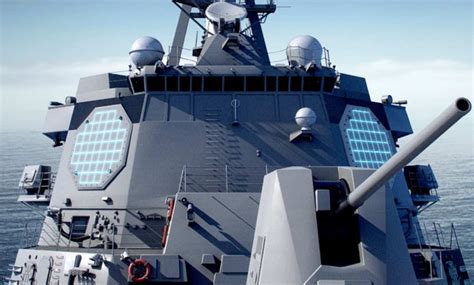
At its core, the F127 will be outfitted with the Aegis Weapon System and the cutting-edge AN/SPY-6(V)1 S-band radar, a multi-mission active electronically scanned array (AESA) system. This radar, integrated with fixed four-face architecture, enables full 360-degree coverage against threats ranging from low-flying cruise missiles to hypersonic projectiles.
Additionally, the frigates will host two 32-cell Mk 41 Vertical Launching Systems (VLS), enabling rapid, high-volume missile launches. The modular combat architecture allows for national customization of sensors, electronic warfare suites, and secure communications networks, ensuring the platform aligns with German defense industrial autonomy while maintaining full interoperability with NATO partners.
SM-6 Block I: Beyond-Visual Engagement and Multi-Role Dominance
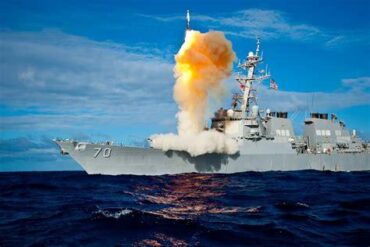
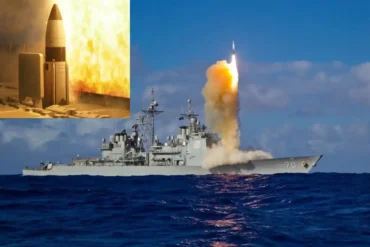
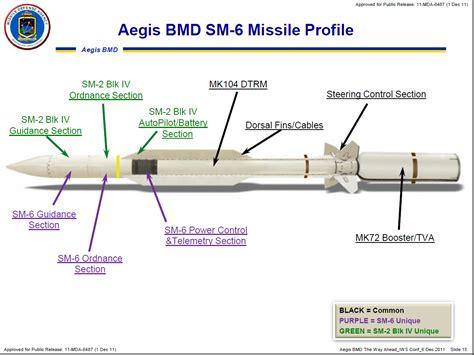
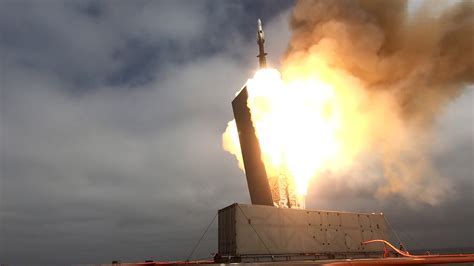
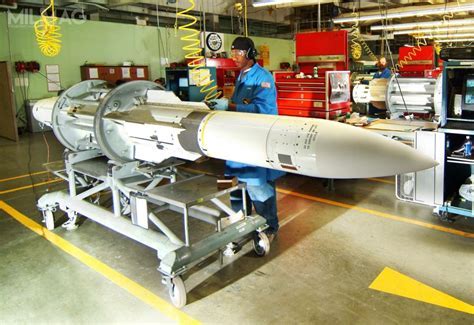
The SM-6 Block I, also designated as RIM-174 Standard Extended Range Active Missile, offers Germany an unprecedented long-range interception capability. It combines a traditional Standard Missile airframe with the active radar seeker of the AIM-120 AMRAAM, making it effective against:
- Fixed and rotary-wing aircraft
- Sea-skimming and land-attack cruise missiles
- Ballistic missiles in terminal phase
- Enemy ships and land targets (in certain targeting scenarios)
Boasting speeds upwards of Mach 3.5 and an operational range exceeding 200 kilometers, SM-6 enables over-the-horizon engagements. Its guidance architecture, utilizing inertial navigation with mid-course updates and active terminal homing, reduces reliance on shipboard illumination radars and improves performance in Electronic Countermeasure (ECM)-dense environments. This allows for greater flexibility under Emission Control (EMCON) conditions, where radio silence or radar minimization is tactically required.
SM-2 Block IIIC: Mid-Tier Shield with High Reliability
The SM-2 Block IIIC, a derivative of the RIM-66 family, brings vital medium-range air defense capability with a new active RF seeker—a leap from the semi-active guidance used in previous generations. Sharing much of the propulsion and warhead components of its predecessors, this variant introduces fin-set and thrust-vector control modifications, which enhance maneuverability—especially beneficial during vertical launches in turbulent sea states.
Operationally, SM-2 Block IIIC offers an engagement envelope of 100–160 kilometers, positioning it as an ideal tool for area defense missions. Its role is especially critical for shielding escorted units from saturation cruise missile attacks, such as those posed by adversaries employing low-altitude, high-volume launch profiles.
A Layered Naval Defense Strategy in the Baltic and North Atlantic
The strategic intent behind this missile acquisition is clear: Germany seeks to implement a layered defense strategy aboard its F127 class. The integration of both SM-6 and SM-2 Block IIIC allows the German Navy to respond with tailored force across multiple engagement zones:
- Outer Layer: SM-6 enables long-range, first-strike interception of enemy missiles and aircraft well before they threaten naval formations.
- Inner Layer: SM-2 IIIC acts as a cost-effective, robust second line of defense with rapid launch and active homing.
This architecture allows German frigates to extend the defended battlespace, contributing to a larger Recognized Maritime Picture (RMP) and Common Operational Picture (COP) across NATO formations. By integrating into shared tactical data links, such as Link 16 and Cooperative Engagement Capability (CEC), the F127s will function not only as national assets but as core nodes in allied maritime defense networks.
Transatlantic Industrial Synergy and Strategic Implications
This sale represents more than a tactical arms transaction; it cements transatlantic industrial synergy between Germany and the United States. Germany’s previous decision to adopt the AN/SPY-6 radar—already operational aboard U.S. Navy Arleigh Burke-class destroyers—has now been followed by the alignment of missile inventories and fire-control systems.
For RTX and the broader U.S. defense industrial base, the German order sustains production lines that also service Japan, Australia, and other regional allies. For NATO, the presence of interoperable combat systems across allied fleets enhances joint mission planning, ammunition stockpile rationalization, and the conduct of coordinated defense operations under multi-national task groups.
Germany’s decision also resonates across Europe, complementing its leadership role in the European Sky Shield Initiative and signaling a readiness to project naval air defense capabilities beyond territorial waters. No longer a passive consumer of allied protection, Berlin is positioning itself as a cornerstone contributor to continental and expeditionary missile defense missions.
Future Outlook: Frigates as Force Multipliers
As Germany completes design finalization and begins construction of its F127 class, the missile approval sets the stage for a decade-long transformation of the German Navy’s operational posture. By the early 2030s, these frigates are expected to patrol strategic chokepoints, safeguard carrier groups, and serve as command-and-control hubs in missile engagement scenarios.
Their introduction will not only redefine German naval capabilities, but also influence broader NATO deployment strategies across the North Atlantic, High North, and Eastern European maritime zones. The Standard Missile inventory, coupled with next-generation radar and combat management systems, places Germany on the forefront of integrated sea-based air and missile defense.
Conclusion: A Signal of Strategic Maturity and Operational Reach
The approval of SM-6 and SM-2 missile sales to Germany is a watershed moment in transatlantic defense cooperation. It showcases a convergence of operational requirements, political will, and industrial alignment, all set against the backdrop of growing threats in the Baltic, Arctic, and global maritime commons.
With the F127 Aegis frigates as the platform and the Standard Missile family as the spearhead, Germany is making a clear declaration: it is ready to not only defend its own coastlines but to stand guard over the alliance at sea—as a frontline state, a capable partner, and a decisive actor in the collective defense of Europe.