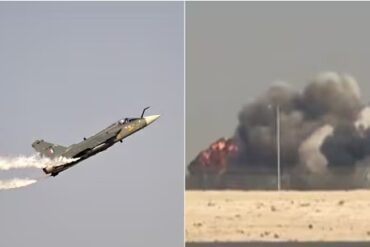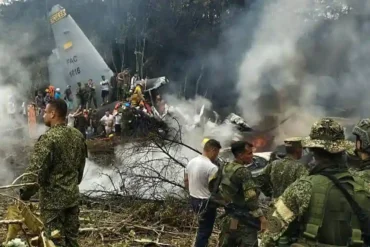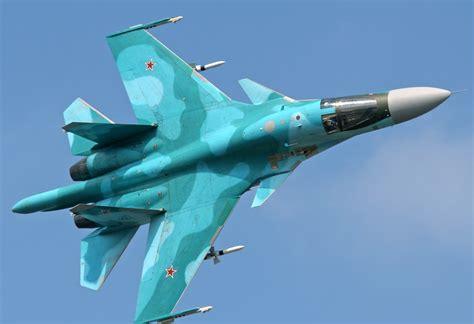
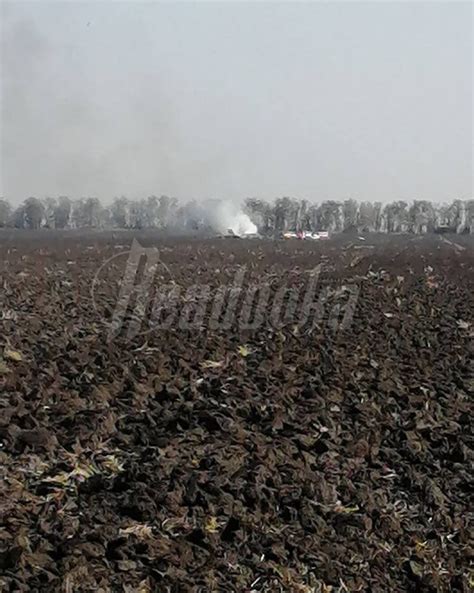
On July 1, 2025, a Russian Su-34 fighter jet crashed during a scheduled training flight near the town of Kulebaki in the Nizhny Novgorod Oblast, about 250 miles east of Moscow. The incident, which occurred at approximately 1:42 p.m. local time, involved both pilots ejecting from the aircraft. While one was swiftly located and reported unharmed, the second remains missing, prompting an intensive search and raising fresh concerns over the reliability and readiness of Russia’s military aviation.
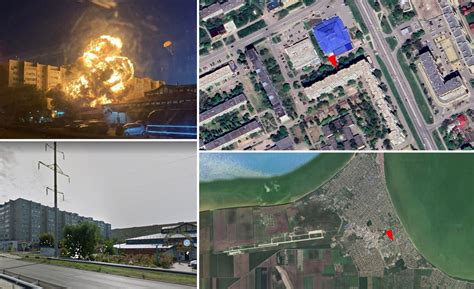
The Crash: Immediate Aftermath and Search Operations
Initial confusion followed the crash, with early reports mistakenly identifying the aircraft as a Su-27. The Russian Ministry of Defense later confirmed that the aircraft was in fact a Su-34 Fullback, a twin-seat, twin-engine fighter-bomber tailored for long-range strike missions. The aircraft came down in a wooded region southeast of the small village of Veletma in the Vyksa district, within close proximity to the Savasleyka military airfield. This airbase is known for hosting key training and operational activities for the Russian Aerospace Forces.
Search and rescue teams were quickly deployed to the crash site, focusing their efforts on locating the missing pilot, believed to have ejected moments before impact. Initial reports from local media outlets and Telegram channels suggest that the pilots deliberately guided the jet away from populated zones, avoiding civilian casualties. At this point, no deaths or injuries on the ground have been reported.
Aircraft Profile: The Su-34 Fullback
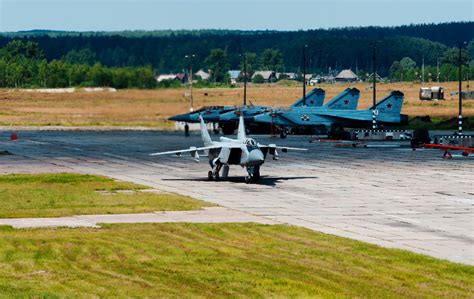
The Su-34 is a critical component of Russia’s tactical aviation fleet. Originally conceptualized in the 1990s, it officially entered service in 2014 following protracted development delays. Manufactured by Sukhoi, the Su-34 is designed to deliver precision air-to-ground strikes while offering some air-to-air capability.
Capable of reaching speeds up to Mach 1.8 and a combat radius exceeding 700 miles, the aircraft features a unique side-by-side cockpit design, which enhances crew communication during complex missions. It houses advanced systems like the Leninets B004 radar, and can carry a broad array of weaponry, including guided bombs such as the KAB-500, R-77 air-to-air missiles, and anti-ship armaments.
While lacking the stealth capabilities of newer platforms like the Su-57 or U.S. F-35, the Su-34 remains indispensable in active combat zones such as eastern Ukraine. However, its extensive deployment in high-intensity conflict areas has increased its operational wear, raising concerns about long-term maintenance and sustainability.
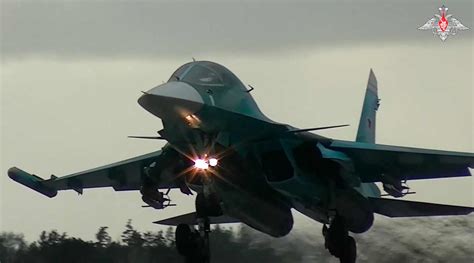
Human Factors: Trained Expertise Meets Real-World Emergency
The crew aboard the downed Su-34 were reportedly executing a standard training operation, simulating strike scenarios without live ordnance. Su-34 pilots undergo extensive training, including simulator sessions, flight hours under various combat scenarios, and regular emergency drills. The twin-seat format enables the integration of a seasoned pilot with a weapons systems officer or a junior trainee, ensuring both skill development and redundancy in case of technical failure.
In this case, the successful ejection of at least one crew member illustrates the efficacy of Russia’s pilot training programs, particularly in executing emergency procedures. However, the prolonged search for the second pilot introduces a sobering reminder of the inherent risks of military aviation, even under controlled conditions.
Patterns and Precedents: A History of Incidents
This crash is not an isolated event. In 2023, another Su-34 went down in Voronezh Oblast, attributed to engine failure. Similarly, a Su-30 crashed during a training flight in Rostov, both incidents involving pilot ejections. These recurring mishaps underscore persistent issues within Russia’s military aviation ecosystem, particularly related to aging aircraft, maintenance limitations, and supply chain disruptions exacerbated by Western sanctions.
These incidents also reflect a broader international challenge. The U.S. Air Force experienced its own setbacks, including an F-16 crash in Nevada, attributed to pilot error. Yet the consistency of Russian aviation mishaps—particularly involving the Su-34—raises serious questions about the current airworthiness of the fleet and the viability of domestic aircraft production pipelines.
Media Coverage and Public Perception
Russian state-controlled outlets like Rossiya 1 have offered minimal coverage beyond repeating official Ministry of Defense statements. By contrast, independent platforms such as Novaya Gazeta and social media commentary on Telegram and X (formerly Twitter) have questioned the lack of transparency, the delay in updates, and the missing pilot’s status.
While speculation abounds, the absence of crash footage or cockpit recordings limits public understanding. This controlled narrative approach is not new; it mirrors past incidents like the 2018 Su-57 crash, where limited disclosures became the norm. Analysts at the Center for Strategic and International Studies (CSIS) have previously documented such patterns of information suppression during military mishaps, designed to protect operational secrecy and preserve public confidence.
Military Significance: Ukraine and Beyond
The crash comes at a time when Russia’s Su-34 fleet is heavily involved in its Ukraine campaign, particularly in launching glide bombs and tactical strikes across eastern frontlines. Even a single aircraft loss during a routine mission stresses the fleet, which already grapples with supply shortages, high sortie rates, and logistical hurdles due to international sanctions.
For Ukraine, this event may carry symbolic significance. Though Kyiv operates older Soviet-era aircraft, including occasional Su-34 variants captured or inherited, the visible vulnerabilities of modern Russian assets serve as a strategic morale boost. India, another major user of Russian aircraft such as the Su-30MKI, might also review the reliability of ongoing Russo-Indian aviation partnerships.
Tactical Operations and Training Imperatives
Missions like the one undertaken near Nizhny Novgorod are part of routine exercises aimed at validating targeting systems, flight handling, and pilot coordination. Simulated strike sorties test the full range of the Su-34’s avionics and navigation arrays, along with emergency scenarios—like bird strikes or system failures. The incident raises essential questions: Was this a systems malfunction, a human error, or an environmental variable like sudden weather changes?
These queries now shape the core of the investigation. According to defense sources, attention will likely turn to flight data recorders, ejection mechanism logs, and the aircraft’s service history, which includes the total flight hours since last overhaul. Post-crash assessments may further prompt reviews of training protocols and aircraft health monitoring systems.
Modernization vs. Maintenance: Russia’s Dilemma
Russia’s military aviation modernization efforts—centered around the Su-57 Felon—have made headlines, but production delays and budget constraints mean that the Su-34 remains in frontline service. Unlike fifth-generation stealth fighters from the U.S. and China, the Su-34 relies on legacy technology, albeit with incremental upgrades.
The ongoing strain on Russia’s military-industrial complex—from resource bottlenecks to engineering talent attrition—makes high-frequency incidents like this crash particularly damaging. In an era where aerial supremacy is defined by stealth, sensor fusion, and network-centric warfare, the Su-34’s aging design stands increasingly exposed.
Strategic Repercussions and International Watch
NATO allies and defense observers will be closely monitoring how Russia responds to this crash. Whether by accelerating modernization or tightening operational safety standards, the Kremlin must now manage both perception and performance. The fate of the missing pilot also holds symbolic weight—highlighting the human cost of operational readiness.
Internally, this event may prompt a reassessment of aircraft deployment cycles, especially for squadrons bearing the heaviest operational burden in Ukraine. As geopolitical tensions deepen—particularly involving NATO’s eastern flank, China’s global ambitions, and continued Middle East volatility—Russia’s air power must demonstrate not just reach, but resilience.

Final Reflections: Beyond the Crash
The Su-34 crash in Nizhny Novgorod serves as a stark reminder of the intertwined challenges of legacy fleet maintenance, pilot safety, and strategic positioning in modern warfare. While the safe ejection of one pilot offers a small consolation, the missing crew member’s fate remains a poignant question.
As Russia confronts sustained economic sanctions, an evolving battlefield in Ukraine, and heightened scrutiny from international defense analysts, this incident is more than an isolated accident—it’s a litmus test for the state of its aerospace military apparatus.
The full truth may take time to emerge. But in the fog of war and silence of officialdom, one thing is clear: the era of unquestioned Russian air dominance may be facing turbulent skies ahead.