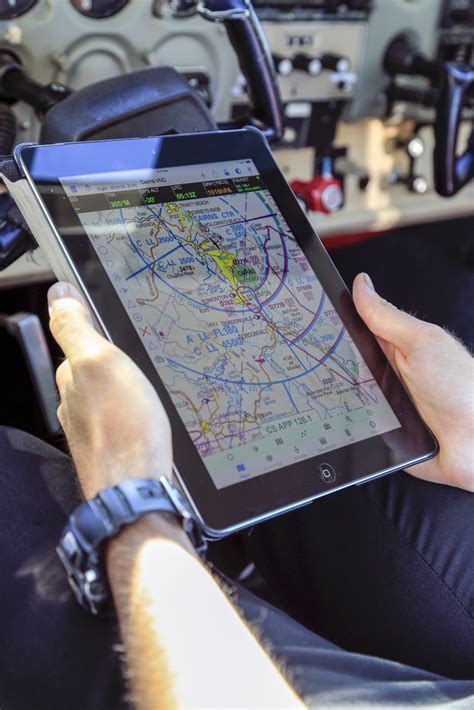
An Electronic Flight Bag (EFB) is an advanced electronic information management device designed to replace the traditional pilot’s flight bag. Traditionally, pilots carried heavy bags (weighing up to 40 lbs) filled with essential documents such as crew manuals, navigational charts, and other reference materials. The EFB has drastically reduced this burden by consolidating all essential materials into a single, portable electronic device, providing a range of functionalities, including performance calculations, flight management tools, and more.
EFBs enhance operational efficiency by streamlining flight preparation and in-flight operations, making flight crews more effective and reducing reliance on paper-based systems. These devices store critical flight documentation and can automate tasks like take-off performance calculations, helping ensure smoother and more accurate flight operations. The technology is not only practical but mandatory in certain contexts — for instance, when the EFB serves as the sole navigational chart source, it must meet specific regulations that ensure its performance during decompression events as stipulated by FAR 91.503.
Historical Development of the EFB
The concept of the EFB dates back to the early 1990s, when pilots at FedEx began using personal laptops, referred to as Airport Performance Laptop Computers, to assist with aircraft performance calculations. This was a pioneering move towards integrating computing technology into the cockpit.
In 1999, the first true EFB was patented by Angela Masson under the name Electronic Kit Bag (EKB). This marked the beginning of the transition from bulky, paper-heavy flight bags to more compact and efficient electronic devices. In October 2003, KLM Airlines became the first airline to install a full EFB system on a Boeing 777, with hardware developed by Astronautics Corporation of America and software provided by Jeppesen and Boeing.
By 2005, the technology had advanced further, with the Avionics Support Group deploying the first commercial Class 2 EFB system on a Miami Air Boeing 737NG. Then, in 2009, Continental Airlines made history with the world’s first Class 2 EFB flight, using Jeppesen’s Airport Surface Area Moving Map (AMM) to display the aircraft’s “own ship” position.
In 2011, AFSOC (Air Force Special Operations Command) pioneered the use of iPads as EFBs, deploying over 3,000 devices for flight management. This move was mirrored by Air Mobility Command, which contracted for up to 18,000 iPads. However, in February 2012, AFSOC canceled its iPad purchase due to security concerns regarding potential vulnerabilities in Russian-made software.
In 2013, Delta Air Lines took a significant step by replacing its pilot’s personal tablets with certified EFBs after receiving FAA approval. This move demonstrated the growing adoption and regulatory acceptance of EFB technology in the aviation industry.
Types of EFB Hardware
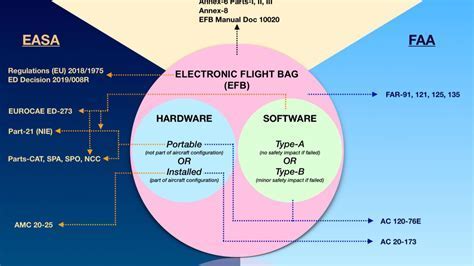
EFB hardware has been classified into several types based on functionality and installation requirements. These classifications help airlines and operators understand the specific roles and limitations of each device.
- Class 1: This category includes commercial off-the-shelf (COTS) devices such as laptops or handheld electronic devices. These devices are used as Portable Electronic Devices (PEDs) and are typically stowed during critical flight phases (below 10,000 feet). Class 1 EFBs can display Type B applications as long as they are securely mounted and viewable during the flight.
- Class 2: These are either modified COTS devices or purpose-built devices. Class 2 EFBs are designed to be mounted and powered through the aircraft’s systems. They require Supplemental Type Certificates (STC), Type Certificates (TC), or Amended Type Certificates (ATC) for approval, ensuring that they meet aviation standards.
- Class 3: These devices are considered installed equipment, subject to airworthiness regulations. They are required to meet limited RTCA DO-160 E testing requirements for crash safety, conducted and radiated emissions, and other essential flight safety aspects. Class 3 EFBs typically serve more integrated functions within the aircraft’s flight management system.
Software Applications for EFBs
The software running on EFBs is classified into three main types, which dictate the nature of the tasks and operations they support.
- Type A: This category includes static document viewers, such as PDF, HTML, and XML file viewers, that display flight manuals, NOTAMs, and other essential documents required by the flight crew. These applications help replace the traditional paper-based manuals carried in the cockpit.
- Type B: Static or dynamic electronic charts fall under this category, providing crucial navigational information. These charts allow the user to pan, zoom, and scroll through airport maps and other key flight data. The Airport Surface Area Moving Map (AMM) application used by Continental Airlines is an example of this type.
- Type C: Multi-function display (MFD) applications are categorized as Type C, which can run on Class 3 EFBs and perform tasks such as Automatic Dependent Surveillance-Broadcast (ADS-B). These applications were once considered an essential part of EFB functionality but were removed from the AC 120-76D guidelines in 2017, streamlining EFB design.
Modern EFB Design and Classification
The design of modern EFBs has undergone significant simplification, consolidating the previous classifications of Class 1–2 into a single Portable category and maintaining Class 3 as Installed. This simplification aligns with EASA and ICAO guidance, making it easier for operators to comply with international standards. As of 2017, Type C applications were no longer considered necessary for EFB functionality, marking a shift in how flight management systems are implemented.
Regulations Governing EFB Use
The use of EFBs is governed by stringent regulations from both national and international aviation authorities. In the United States, the Federal Aviation Administration (FAA) has set forth specific rules for the use of PED-based EFBs under FAR Part 91. Operators under Part 121 or Part 135 must seek operational approval through the OpSpecs process, ensuring that their EFB systems meet essential standards, such as rapid decompression testing and certified mounting or data connectivity.
For operators in Europe, the European Aviation Safety Agency (EASA) provides guidance through AMC 20-25, which sets airworthiness and operational standards for EFBs. In the United Kingdom, the Ministry of Defence (MOD) clears the airworthiness of EFBs for specific aircraft under Regulatory Article 1340, ensuring that these devices do not negatively impact the overall airworthiness of the aircraft.
Conclusion: The Future of EFBs in Aviation
As technology continues to evolve, the role of Electronic Flight Bags in aviation is expected to grow even more significant. With advancements in computing power, software capabilities, and regulatory frameworks, EFBs are now an essential part of modern aviation operations. They not only improve safety and operational efficiency but also represent a shift towards more sustainable, paperless flight operations. As more airlines and operators adopt EFB systems, the industry will continue to reap the benefits of streamlined flight management, reducing costs and improving safety measures for flight crews and passengers alike.