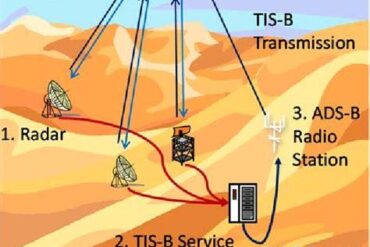
Surveillance systems are crucial for air traffic controllers, especially during approach and en-route phases. These tools enable controllers to manage a higher volume of aircraft safely and efficiently compared to procedural control methods. Flight Information Service (FIS) officers also utilize these systems, though their capabilities are limited. Unlike air traffic controllers, FIS officers do not provide ATC services, meaning they cannot use surveillance data for tasks like vectoring, resolving conflicts, or ensuring aircraft comply with instructions.
It’s important to note that using a surveillance system for flight information services does not absolve the pilot-in-command of their responsibilities. While FIS officers can offer information and suggestions regarding potential risks, such as traffic and weather, the final decision rests with the pilot-in-command. The situation display may provide valuable insights, including:
-
Information about potentially conflicting traffic and suggestions for avoiding it.
-
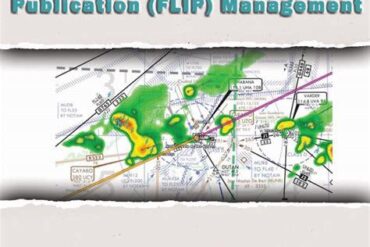
Updates on adverse weather conditions and recommendations for navigation around them. However, pilots should remember that this information may not always be accurate or current.
-
Navigation assistance when necessary.
Overall, while surveillance systems enhance situational awareness, pilots must remain vigilant and make informed decisions based on the information provided.