North Korea and Russia are poised to strengthen their strategic partnership with the launch of their first-ever direct flight route between Pyongyang and Moscow on July 27, 2025. This landmark development in their transportation ties underscores the growing collaboration between the two nations, who have recently deepened their relationship across various sectors, including defense, trade, and infrastructure. The new air service will not only provide a crucial transportation link between the two capitals but also symbolize the expanding diplomatic and economic ties that are reshaping their bilateral cooperation.
In a significant development for transportation ties between North Korea and Russia, Russian budget airline Nordwind Airlines is set to begin operating direct flights between the capitals of the two countries. This flight will be the first-ever direct air service linking these two major cities, providing a crucial transportation link that enhances accessibility and fosters closer relations. Each flight will take approximately eight hours, offering a more efficient means of travel compared to previous routes.
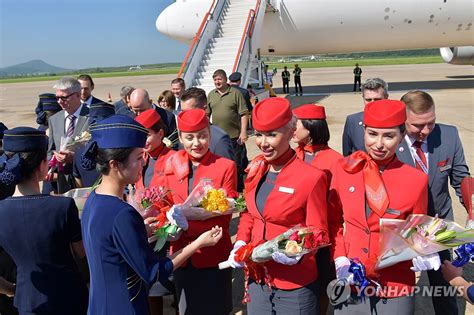
The approval for this new route was granted by Russian aviation authorities in June 2025, marking a milestone in bilateral cooperation. Previously, direct air travel between North Korea and Russia was limited to a route between Pyongyang and Vladivostok, a key port city in Russia’s Far East. The introduction of this direct flight not only significantly reduces travel time but also provides a vital link between the two nations’ capitals, fostering enhanced diplomatic engagement.
Strengthening Bilateral Ties
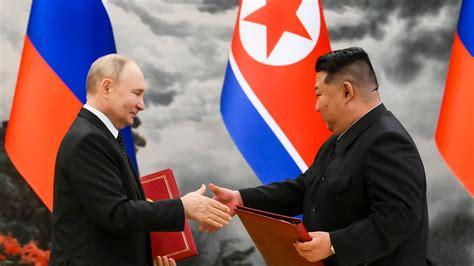
The commencement of direct flights between Pyongyang and Moscow represents a pivotal development in the ongoing trend of growing collaboration between the two nations. The bilateral relationship has intensified following the signing of a mutual defense treaty in June 2024, which laid the groundwork for closer ties across various sectors, including trade, defense, and transportation. This new flight route is expected to facilitate smoother and more frequent exchanges between citizens, businesses, and officials of both countries.
Beyond aviation, the two nations have made progress in other areas of infrastructure and connectivity. Just a month prior to this announcement, North Korea and Russia reinstated direct rail connections that had been disrupted due to the COVID-19 pandemic. This includes the reestablishment of direct train routes between Pyongyang and Moscow, as well as between Pyongyang and Khabarovsk, a Russian city located along the Amur River. These resumed services mark a key milestone in the recovery of cross-border transportation after pandemic-related disruptions, symbolizing a return to normalcy and collaboration.
Ongoing Infrastructure Projects
In addition to air and rail services, both countries are making strides in various infrastructure projects that further enhance their connectivity. In April 2025, construction commenced on a major road bridge that will span the Tumen River, which forms part of the border between Russia and North Korea. This bridge is expected to provide easier access for road transportation across the border and solidify the economic and infrastructural ties between the two nations. The completion of this bridge will facilitate not only personal travel but also the movement of goods and services, further integrating their economies.
These transportation advancements are not merely symbolic of growing cooperation; they serve to enhance practical exchanges between Russia and North Korea. The new air route and resumed rail services provide both countries with essential connections for trade, travel, and economic activity. Furthermore, the Tumen River bridge, once completed, will offer another vital link for transportation and further integration between the two nations.
Conclusion: A New Chapter in North Korea-Russia Relations
As North Korea and Russia prepare to launch their first-ever direct flight between Pyongyang and Moscow on July 27, 2025, they mark a significant step in strengthening their strategic partnership. This new air route reflects their growing cooperation in various sectors, enhancing diplomatic and economic ties between the two nations. With the establishment of direct flights, renewed rail services, and ongoing infrastructure projects, the future of North Korea-Russia relations looks promising, as they forge a path toward greater collaboration and connectivity.