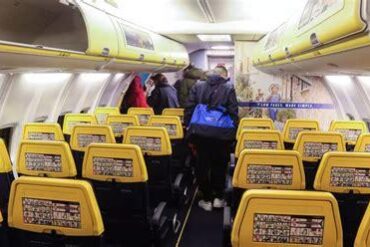
Overbooking flights is a deliberate strategy employed by airlines to maximize profits and reduce revenue loss from empty seats. At its core, this practice is a balancing act: airlines weigh the risk of no-shows and cancellations against the potential backlash from involuntarily bumped passengers. Despite the inconvenience it causes travelers, overbooking remains a routine part of the aviation industry’s operational model, and understanding it is essential for anyone who flies regularly.
Why Airlines Overbook Flights: The Economics Behind the Practice
Every empty seat is lost revenue. Airlines operate on razor-thin margins, and to offset unpredictable passenger behavior, such as late cancellations or no-shows, they oversell tickets. This ensures higher flight occupancy rates and more predictable income. The logic is simple: if historical data suggests that 2-3% of ticketed passengers don’t show up, selling 2-3% more tickets than available seats seems like a profitable solution.
Overbooking levels vary depending on route, day, time of year, and airline policy. Legacy carriers, such as United Airlines, Delta, or American Airlines, typically have more nuanced algorithms to forecast no-shows, while low-cost carriers may be more aggressive in their oversell rates.
The Legal Framework: What U.S. Regulations Say About Overbooking
The U.S. Department of Transportation (DOT) governs how airlines handle overbooked flights. Airlines must first ask for volunteers to give up their seats. If not enough volunteers step forward, passengers may be denied boarding involuntarily, triggering mandatory compensation depending on the length of the delay.
Under DOT rules:
- For delays over 2 hours, passengers may be entitled to 400% of their one-way fare, up to $1,350.
- Passengers must be given a written explanation of their rights.
- Airlines cannot bump passengers based on discriminatory criteria — race, gender, or ethnicity cannot be factors.
Who Gets Bumped — And Why
Airlines maintain discretion over whom they choose to bump, and their selection criteria can include:
- Check-in time: Late check-ins are more vulnerable.
- Fare class: Discount tickets may be deprioritized.
- Frequent flyer status: Elite members often get protection.
- Traveling solo vs. groups: Solo travelers may be easier to bump.
This lack of uniformity means knowing your airline’s bumping policy is crucial. A proactive traveler armed with this knowledge can strategically volunteer to be bumped and negotiate a favorable outcome.
Volunteering to Get Bumped: A Lucrative Opportunity
What many don’t realize is that voluntarily giving up your seat can be a strategic move — not just damage control. Airlines often offer a combination of:
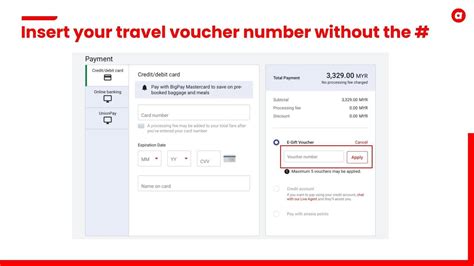
- Flight vouchers (sometimes worth hundreds or thousands of dollars)
- Cash or prepaid cards
- Meals and hotel accommodations
- First-class upgrades or lounge access
In some cases, such as with United Airlines, compensation can soar up to $10,000, especially during severe overbooking events. Passengers who negotiate firmly but politely — and know what the airline’s upper compensation limit is — often walk away with more than just a rebooked flight.
What to Ask for When You’re Bumped
If you’re considering volunteering your seat, make sure to secure the following in writing:
- Confirmed seat on the next available flight (not standby)
- Meal vouchers if delay exceeds two hours
- Hotel accommodations for overnight delays
- Ground transportation if needed
- Compensation details including cash or flight credit
Also ask for additional perks — airlines are often flexible when they sense negotiation is possible. You may receive airline miles, premium cabin upgrades, or even future ticket discounts.
Involuntary Bumping: Your Rights and Remedies
When no one volunteers and you’re denied boarding involuntarily, DOT-mandated compensation kicks in. The airline must:
- Provide a written statement of rights
- Pay compensation based on delay duration and ticket value
- Rebook you on the next available flight, often on another carrier if needed
However, don’t accept vouchers too quickly. Airlines may initially offer travel credit to sidestep legal cash payments. Unless you negotiate, you might end up with less than what you’re legally owed.
Insurance Protection: Credit Cards That Have Your Back
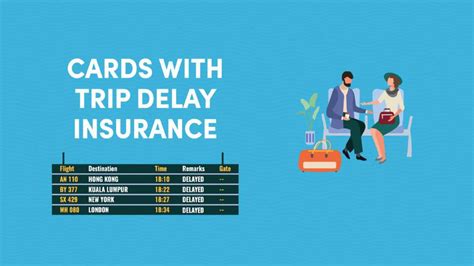
Many premium travel credit cards offer trip delay insurance, a key safeguard if you’re grounded due to overbooking. These policies cover costs like meals, hotel stays, and transport while you wait for your next flight.
Top cards offering this benefit include:
- Chase Sapphire Reserve®
- Chase Sapphire Preferred® Card
- American Express Platinum Card®
- Delta SkyMiles® Reserve American Express Card
- Hilton Honors Aspire Card
- Marriott Bonvoy Brilliant® American Express® Card
Each provider has its own criteria. For example, Chase may require documentation such as:
- A statement from the airline detailing the cause of delay
- Original flight itinerary
- Receipts of incurred expenses
- Proof of ticket purchase
Documentation Tips for Filing a Trip Delay Insurance Claim
Filing a successful claim involves precise documentation. To streamline the process:
- Save all receipts, especially for meals, lodging, and transport
- Request a delay explanation letter from your airline
- Take photos of airport signs and boarding passes
- File claims promptly — some policies have a 20-day filing window
The effort is worth it. Successful claims can yield up to $500 per delay, depending on your card benefits.
How to Avoid Getting Bumped in the First Place
If you’d rather not gamble with overbooking roulette, here are a few ways to protect yourself:
- Check in early: Online check-in opens 24 hours in advance — do it promptly.
- Book directly through the airline: Third-party booking sites may limit your protection.
- Join frequent flyer programs: Loyalty status can prevent bumping.
- Avoid basic economy tickets: These offer fewer protections.
- Travel at off-peak times: Flights are less likely to be overbooked early morning or late night.
Understanding your flight details, reading the fine print, and maintaining a proactive stance are the best defenses.
Can Overbooking Be Abolished? The Future of Airline Practices
While some have called for a ban on overbooking, the practice is unlikely to disappear. Airlines rely on advanced predictive algorithms and AI tools to reduce involuntary bumps and optimize passenger loads. Improvements in customer experience strategies — including personalized notifications, easier compensation portals, and dynamic rebooking tools — are making the process more transparent.
Still, for airlines, overbooking is not just a risk mitigation tactic. It’s a revenue optimization model that serves millions of flights a year — with most disruptions avoided thanks to careful forecasting and customer cooperation.
Conclusion: Turn an Inconvenience Into a Strategy
Overbooking may be frustrating, but it doesn’t have to mean chaos. By understanding your rights, the economics behind the practice, and how to navigate airline policies, you can transform an otherwise negative experience into an opportunity. Whether through lucrative compensation, upgraded travel perks, or insurance reimbursements, being informed gives you an edge — and potentially a better journey.
The key is to stay calm, be strategic, and act decisively when faced with an overbooked flight. Whether you want to avoid the hassle or take advantage of it, knowledge is your boarding pass to control.