The aviation industry has long been synonymous with constant innovation, pushing the boundaries of technology, efficiency, and environmental responsibility. Among the most exciting projects currently underway is the Bombardier Ecojet, a bold leap forward in aircraft design that promises to reshape the way we think about air travel. This ambitious project aims to create a sustainable, highly efficient aircraft capable of meeting the growing demands of modern aviation while addressing the urgent need for reduced environmental impact. Expected to be certified and commercially available by 2026, the Ecojet has garnered significant attention from both industry insiders and aviation enthusiasts. However, the path to success is fraught with challenges, as Bombardier faces a tight timeline, financial constraints, and the complexities inherent in developing such a radically new aircraft.
A Vision for the Future: The Bombardier Ecojet Concept
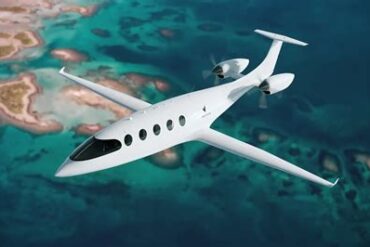
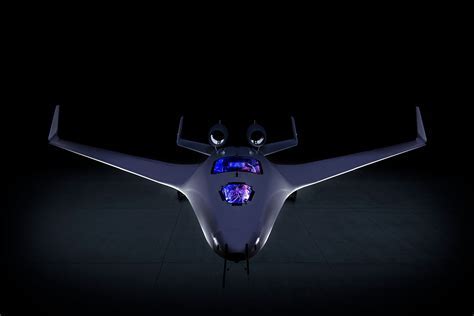
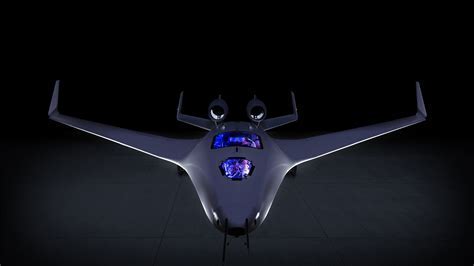
The Bombardier Ecojet is not just another business jet. It represents a clean-sheet design that seeks to combine cutting-edge technology, environmental sustainability, and superior performance into a single aircraft. Unlike traditional jet designs, the Ecojet incorporates a blended-wing body (BWB) architecture, a configuration that has long been considered the future of aviation due to its potential for reduced drag and increased fuel efficiency. This design approach allows for greater aerodynamics and fuel economy, which are critical in meeting the increasing demand for more sustainable air travel options.
One of the key features of the Ecojet is its environmental performance. Bombardier aims to reduce the carbon footprint of aviation with a design that significantly lowers emissions compared to conventional aircraft. The Ecojet will utilize advanced materials such as carbon fiber and cutting-edge propulsion technologies to improve fuel efficiency and reduce emissions. The aircraft’s engines will be optimized to minimize fuel consumption, making it one of the most fuel-efficient jets in its class. In an era where environmental concerns are at the forefront of aviation development, the Ecojet offers a much-needed solution that aligns with the growing push for sustainable aviation practices.
Key Milestones in the Development of the Ecojet
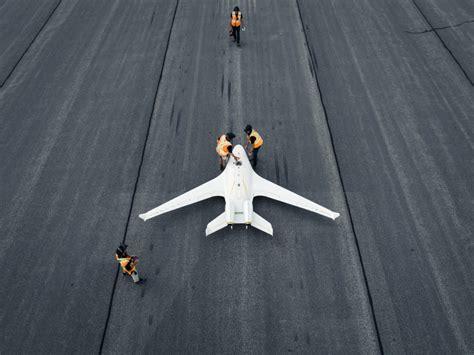
The journey towards the creation of the Bombardier Ecojet began in 2021 with the development of the second EcoJet design model. This was followed by the construction of the airframe in 2023, which marked a significant step forward in the project’s timeline. In 2024, ground testing and the first flight of the subscale prototype were completed, demonstrating the aircraft’s basic flight capabilities and providing crucial data for further development. While these achievements are impressive, it is important to note that the current model is still a subscale prototype, meaning it is far from the final product.
The development timeline for the Ecojet has raised eyebrows within the aviation community. The ambitious goal of having the aircraft certified and available for commercial use by 2026 seems overly optimistic given the challenges involved in bringing a radically new aircraft design to market. For comparison, Bombardier’s Global 7000, which is a far more conventional jet, took several years to go from prototype to service. The process involved intensive testing, ramping up of production capabilities, and securing substantial financial backing. The Ecojet, on the other hand, faces the added complexity of its unconventional design and a tighter timeline. Many observers argue that the 2026 deadline may not be realistic and that it could take several more years to perfect the Ecojet’s design and bring it to market.
Challenges in Bringing the Ecojet to Life
There are several key obstacles standing between the Ecojet and its commercial debut. One of the primary concerns is the development of a full-size prototype. As of now, the aircraft has only undergone testing with a subscale model, which is a far cry from the final product. To move forward, Bombardier must ramp up production capabilities, integrate new technologies, and conduct extensive flight testing to ensure that the Ecojet meets safety and performance standards.
Another significant hurdle is funding. While Bombardier is a major player in the aviation industry, the Ecojet is not backed by the same level of resources as other flagship projects like the Global series. Without a dedicated production line and the financial backing that supported previous aircraft programs, it is unclear whether Bombardier can meet its ambitious timeline. Critics of the project argue that the lack of financial backing could lead to delays and push the Ecojet’s debut date well beyond 2026.
The Need for Technological Integration
In addition to financial challenges, the Ecojet’s success will depend on the integration of advanced technologies that are still in the early stages of development. The aircraft will feature new propulsion systems, flight control technologies, and composite materials that are not yet widely used in commercial aviation. These innovations hold the potential to revolutionize the industry, but they also pose significant challenges in terms of development, testing, and certification.
For example, the propulsion system will need to be optimized for fuel efficiency and reduced emissions, which are crucial for meeting the Ecojet’s environmental goals. Similarly, the new flight control systems must be tested for reliability and performance, ensuring that the aircraft can operate safely in a variety of conditions. Additionally, the use of composite materials presents challenges in terms of production scalability and certification, as these materials are still relatively new to the aviation industry.
The Long Road Ahead: A Timeline for Certification
Given the complexities involved in developing the Ecojet, the question remains: will Bombardier be able to meet its 2026 certification goal? While some remain optimistic that the aircraft could be ready in five years, many industry experts believe that a more realistic timeline would push the certification to 2030 or beyond. The Ecojet’s radical design, combined with the need for new technologies and the absence of a full-scale prototype, means that achieving full certification by 2026 is a highly ambitious goal.
Moreover, Bombardier’s history of delays with previous projects, such as the CSeries, has raised concerns about the company’s ability to meet tight deadlines. The CSeries, which was rebranded as the Airbus A220, faced significant delays and cost overruns before it was finally brought to market. Many fear that the Ecojet could suffer a similar fate, with delays and financial challenges pushing the aircraft’s debut further into the future.
Conclusion: The Future of the Ecojet
Despite the skepticism surrounding the Bombardier Ecojet’s timeline, there is no denying the transformative potential of the aircraft. If Bombardier can overcome the challenges of prototype development, funding, and technological integration, the Ecojet could become a groundbreaking aircraft in the world of sustainable aviation. Its advanced design, fuel efficiency, and environmental performance set it apart from traditional jets, and its success could mark the beginning of a new era in air travel.
The next few years will be crucial for Bombardier as they continue to refine the Ecojet’s design and work toward achieving their ambitious goal of 2026 certification. While the timeline may be aggressive, the Ecojet has the potential to redefine the way we think about aviation, offering a cleaner, more efficient, and technologically advanced option for the next generation of air travelers. For now, we can only wait and watch as Bombardier works to turn this ambitious vision into a reality.