With the arrival of the school holiday season, parents are being encouraged to make the most of this time by exploring travel opportunities that combine enjoyment with educational value. The increasing popularity of educational tourism offers children a chance to discover the world around them in an engaging, hands-on way—turning vacations into meaningful experiences that stimulate both curiosity and creativity. This growing travel trend has placed Jakarta in the spotlight, as the city offers a variety of destinations where learning and leisure go hand-in-hand. From museums and cultural landmarks to interactive theme parks and conservation centers, Jakarta’s wide-ranging attractions reflect a rising global interest in travel that is both purposeful and enriching for young minds.
A New Direction in Global Family Travel
Travel experts and observers have noted a shift in how families plan holidays. Today, many are looking for more than just relaxation—they want trips that provide lasting educational value. In this context, Jakarta’s model serves as an excellent example. It shows how cities can successfully integrate learning opportunities into tourism, attracting families from all backgrounds and setting a standard for other destinations to follow. Educational tourism is also seen as a sustainable and resilient approach to travel. By offering experiences that are both fun and informative, cities like Jakarta are not only appealing to a broader audience but also encouraging repeat visits and longer stays.
15 Family-Friendly Learning Destinations in Jakarta
On June 22, the Ministry of Tourism highlighted 15 standout destinations in Jakarta that are perfect for families looking to blend exploration with education. Each site offers unique insights into culture, science, nature, and history:
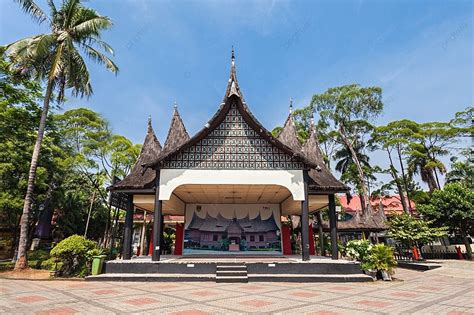
Taman Mini Indonesia Indah (TMII)
This vibrant park offers a visual journey through Indonesia’s cultural richness. Children can visit traditional houses, see regional clothing exhibits, and explore themed museums like the Transportation Museum and the Komodo Museum. Scenic cable car rides and shows at the Keong Mas Theater round out the experience.
PIK Mangrove Forest
A peaceful retreat that introduces children to the importance of ecosystem conservation. Walking along wooden paths, visitors can observe coastal biodiversity up close while learning about the environment in a hands-on way.
KidZania Jakarta
At this miniaturized city, kids step into adult roles—becoming doctors, pilots, or firefighters. These interactive simulations give children a realistic glimpse into various careers, promoting early understanding of professional life and responsibility.
National Library of Indonesia
A towering 24-story building houses thousands of books, reading zones, and digital learning spaces. It’s a paradise for young readers and budding researchers, fostering a love for literature and inquiry.
Textile Museum
This museum celebrates the art of Indonesian textiles, offering batik-making workshops and showcasing dye-producing plants in its garden, allowing children to connect with the rich heritage of textile artistry.
Ocean Dream Samudra
Beyond its entertaining animal shows, this marine-themed park educates visitors on ocean conservation, featuring dolphins, sea lions, and other aquatic animals, making marine education both thrilling and impactful.
National Monument (Monas)
A symbol of Indonesia’s national pride, Monas offers insight into the country’s fight for independence. Visitors can also enjoy sweeping city views from the top, creating a memorable educational experience.
Bank Indonesia Museum
This interactive museum introduces young minds to economic concepts like money, trade, and finance through engaging exhibits and multimedia displays, cultivating financial literacy from a young age.
Jakarta Aquarium
Without ever getting wet, children can explore life beneath the sea. Touch zones and immersive exhibits make learning about marine ecosystems both exciting and informative, sparking interest in marine biology.
Kota Tua Jakarta (Old Town)
This historic area offers a step back into colonial-era Indonesia. With preserved buildings and museums, kids can learn about history while cycling around the cobbled square, blending physical activity with education.
Museum of Modern and Contemporary Art in Nusantara (MACAN)
Here, children are encouraged to interact with art through installations that stimulate visual thinking and creativity, making art appreciation accessible and enjoyable.
Jakarta Planetarium
Young stargazers can learn about planets, galaxies, and constellations through immersive shows, making astronomy both fun and accessible, igniting a passion for the cosmos.
Indonesian Kite Museum
This colorful museum showcases a wide variety of traditional and modern kites, along with workshops in kite-making, batik, and crafts that nurture imagination and cultural appreciation.
Wayang Museum
Located in Old Town, this museum offers a fascinating look at Indonesia’s puppet traditions, including shadow and wooden puppets, while teaching about cultural storytelling and performance, enriching children’s understanding of Indonesian culture.
Ancol SeaWorld
This popular attraction features enormous aquariums and mesmerizing underwater tunnels, combining visual spectacle with marine education, providing a captivating experience for families.
Educational Travel’s Broader Impact
The shift toward educational tourism has implications well beyond Jakarta. As more families seek meaningful travel experiences, this trend is reshaping the global tourism industry in several important ways:
- Increases destination value: Destinations that provide educational content tend to attract more thoughtful and engaged travelers, often leading to longer stays.
- Encourages repeat visits: When families feel they’ve gained something valuable from a trip, they are more likely to return or recommend it to others.
- Supports sustainable tourism: Educational attractions often promote awareness around culture, conservation, and history, making tourism more responsible and inclusive.
To stay competitive, destinations around the world may need to:
- Create experiences that mix education and fun—like science exhibits, cultural role-plays, or nature-based workshops.
- Collaborate with educators to design age-appropriate and engaging activities.
- Market themselves as places where children and adults can learn and grow together.
A Bright Future for Family Travel
The success of Jakarta’s educational tourism model underscores a major change in what families want from their holidays. Travel is no longer just about sightseeing—it’s about connection, discovery, and inspiration. As this approach gains momentum globally, those who embrace it are likely to see lasting benefits, not just for tourists, but for the communities and cultures they visit. In this evolving landscape, travel providers who emphasize enrichment over entertainment are poised to lead. As more parents look for ways to invest in their children’s futures through experiences, destinations like Jakarta are showing what’s possible when learning is woven into the journey.