Owning a small airplane is no longer just the domain of celebrities, corporate executives, or elite aviators. With a blend of smart budgeting, well-informed decisions, and proper timing, owning a small aircraft can be a reality for committed enthusiasts and practical users alike. But the key question remains: how much does a small plane cost? The answer is nuanced, shaped by numerous variables including aircraft type, age, condition, storage, maintenance, and more.
Understanding the Initial Cost of Small Planes
The purchase price is the most visible expense associated with acquiring a small aircraft. However, this cost varies dramatically depending on whether the plane is new or pre-owned, its engine configuration, and its intended purpose.
Factory-New Small Planes
At the lower end of the spectrum are ultralight aircraft, typically designed for solo recreational flying. These planes, often weighing under 254 pounds, are exempt from FAA certification and are highly affordable. The average price for a brand-new ultralight falls between $8,000 and $15,000, making them an entry-level choice for many.
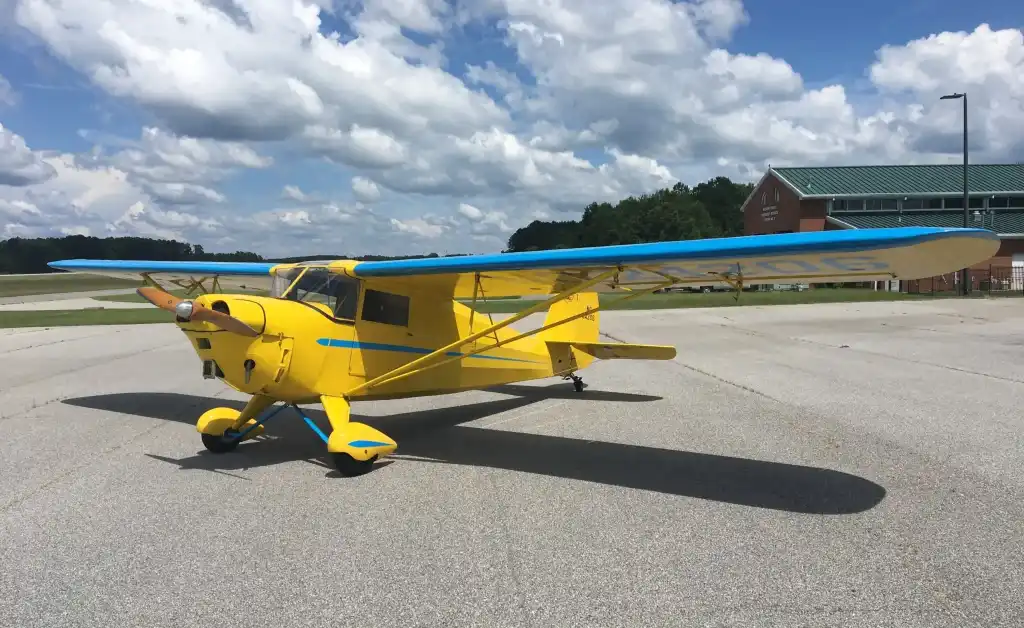
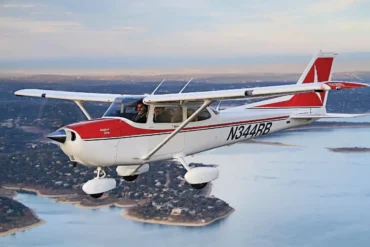
Single-engine planes, which offer more versatility and range, command a wider price range—from $15,000 to $100,000. These aircraft can seat two to four occupants and are commonly used for personal transport, flight training, and short-haul excursions. The Cessna 172, a quintessential model in this category, represents a reliable and accessible benchmark for private pilots.
At the top of the small plane spectrum are multi-engine aircraft, which provide redundancy, speed, and performance at a significantly higher cost. These planes can easily exceed $300,000 when new. However, the investment pays off in enhanced safety and efficiency, especially for those planning to fly in more demanding conditions.

Pre-Owned Small Planes
For budget-conscious buyers, the used aircraft market offers substantial opportunities. A well-maintained, pre-owned Cessna 150 can be acquired for around $30,000, while older Piper Cherokees or Beechcraft Bonanzas can also be found at competitive prices. However, thorough due diligence is critical. Pre-purchase inspections must assess airframe integrity, engine life, avionics condition, and prior accident history. What might appear as a bargain can quickly become a financial sinkhole if overlooked.
Financing Options and Long-Term Implications
Purchasing a small plane outright is not always feasible. Thankfully, aircraft financing is a common solution for spreading the cost. Loans for aircraft typically resemble auto loans in structure, but the interest rates are influenced by a wider set of variables:
- Creditworthiness of the buyer
- Type, model, and year of the aircraft
- Frequency and purpose of use (personal, instructional, charter, etc.)
- Appraised value and condition
Many buyers will find interest rates ranging between 5% to 9%, though this fluctuates with market trends and borrower profiles. For a $100,000 loan amortized over 15 years, monthly payments can easily hover around $800.
Hidden Ownership Costs Beyond Purchase Price
Hangar and Storage Fees
After acquisition, storing your small plane becomes an immediate concern. Unless you own private land with a hangar, expect to rent space at a municipal or regional airport. The average cost for hangar rental in the U.S. sits at around $350 per month, with an additional $100 for tiedown gear if the plane is parked outdoors. Geographic location, airport class, and space availability can drive prices higher in more congested airfields.
Maintenance and Inspections
Aircraft require strict annual inspections to remain compliant with FAA regulations. These inspections ensure structural integrity, avionics functionality, engine condition, and airworthiness. Basic inspections start at around $750 but can reach $2,000 or more for complex aircraft. Planes with retractable gear, turbochargers, or older airframes often cost more to maintain.
In addition to annual inspections, ongoing maintenance includes oil changes, brake replacements, spark plug checks, and more. Experts estimate maintenance costs range between 10% and 45% of yearly operating expenses. For example, maintaining a mid-range single-engine aircraft may cost $3,000–$5,000 annually.
Fuel Costs
Aviation fuel (Avgas) is notably more expensive than automotive gasoline. As of 2024, the average price of Avgas hovers around $5 per gallon, though this can climb in remote areas. A Cessna 172 typically burns 8–10 gallons per hour, translating to $40–$50 per flight hour just for fuel. For frequent flyers, fuel becomes one of the largest variable operational costs, accounting for up to 70% of all variable expenditures.
Flying 100 hours a year could lead to $4,000–$5,000 in fuel expenses alone. Moreover, oil consumption and periodic oil changes should also be budgeted.
Aircraft Insurance: Mitigating Financial Risk
Insurance premiums for small aircraft are based on a composite of factors:
- Age and condition of the aircraft
- Storage method (hangar vs. tie-down)
- Pilot’s experience and certifications
- Intended use of the aircraft
Annual premiums range from $1,200 to $2,500 for basic coverage, though this can spike for complex or multi-engine aircraft. It’s advisable to pursue additional training or type certifications, which often result in premium reductions.
While not mandatory, title insurance is highly recommended to protect against unknown liens or ownership claims, especially in used aircraft transactions.
Registration, Taxes, and Government Fees
Beyond the acquisition, taxes and registration are unavoidable. Most U.S. states levy sales and use taxes, typically between 4% and 7%, which can add thousands to the final cost. A $75,000 aircraft, for example, may incur $5,250 in state taxes depending on the jurisdiction.
All aircraft must be registered with the FAA, a process that currently costs $5 every three years. Some states require additional local registration, often accompanied by annual use fees or property tax assessments.
Pilots are advised to consult the AOPA’s Guide to Taxes or work directly with aviation tax professionals to understand obligations and potential exemptions.
Final Cost Estimations by Plane Type
To summarize the financial landscape, here are rough total cost ranges (including purchase, fuel, insurance, maintenance, and storage for the first year):
- Ultralight Aircraft: $10,000–$20,000
- Used Single-Engine (e.g., Cessna 150): $30,000–$60,000
- New Single-Engine (e.g., Piper Archer LX): $80,000–$180,000
- Multi-Engine Aircraft: $250,000–$500,000+
Over five years, the operating cost of a small plane can exceed its purchase price—especially with frequent use and high fuel burn rates. Nevertheless, for many, the reward of autonomy in the sky far outweighs the fiscal demands.
Conclusion: Is a Small Plane Worth the Cost?
The answer hinges on the buyer’s priorities, use case, and financial capacity. For those who prioritize freedom, flexibility, and a passion for flight, owning a small aircraft is a lifestyle investment. The entry barrier is no longer as steep as it once was, especially for pre-owned aircraft. However, prudent planning, thorough research, and ongoing financial discipline are essential.
Owning a plane isn’t just about flying—it’s about embracing the full spectrum of responsibilities that come with it. From hangar fees and inspections to insurance and Avgas receipts, each component shapes the real cost of aircraft ownership.