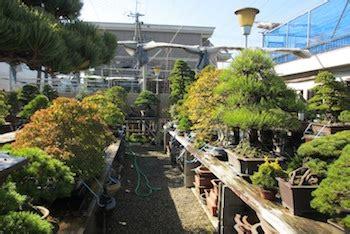
Nestled in the picturesque landscape of Ikeda, just a stone’s throw from Osaka Itami Airport, lies Fujikawa Kouka-en, one of western Japan’s largest and most celebrated bonsai gardens. This serene 500-square-meter garden has garnered global acclaim, drawing bonsai enthusiasts and curious travelers from across the globe. With its remarkable collection of meticulously cultivated miniature trees, Fujikawa Kouka-en serves not only as a showcase of natural beauty but also as a testament to Japan’s deep-rooted bonsai heritage.
Bonsai, the ancient art of cultivating miniature trees in pots, is celebrated for its intricate techniques and profound spiritual connections with nature. At Fujikawa Kouka-en, visitors are treated to a breathtaking display of these living masterpieces. The garden boasts hundreds of carefully tended bonsai, featuring stunning species such as delicate maple trees, the elegant shinpaku with its gnarled white branches, and the dramatic goyomatsu, which appears to cling precariously to its pot. Each tree is a unique creation, reflecting years of dedication and skill in the art of bonsai cultivation.
A Spiritual Journey Through Bonsai Artistry
For many, visiting Fujikawa Kouka-en is more than just a visual experience; it is a spiritual journey into the heart of bonsai artistry. Gabriel Tobar, a first-time visitor from Chile, expressed his awe at the sight of these extraordinary trees, stating, “Unbelievable! No two bonsai are alike, and they are ‘living art’ crafted over many years. It is fun to imagine what these bonsai will be like 30 or 50 years from now.” Such sentiments echo the feelings of countless visitors who find themselves captivated by the tranquility and beauty of the garden.
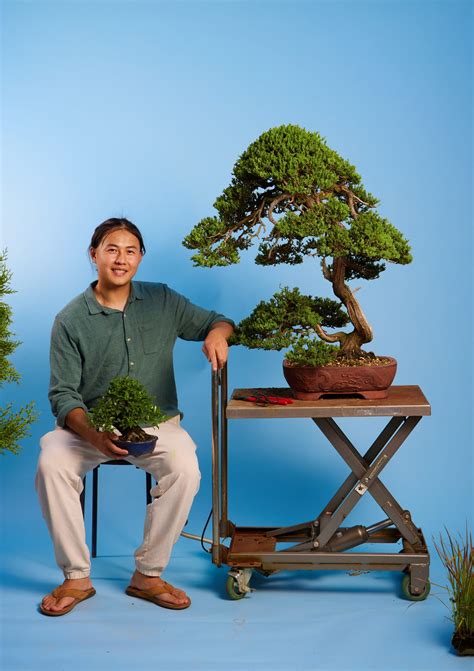
The mastermind behind this botanical wonder is Keiichi Fujikawa, a dedicated bonsai artist who has spent over 60 years perfecting his craft. The Fujikawa family has been involved in bonsai cultivation since 1950 when Keiichi’s father opened a garden focused on floriculture and bonsai. Today, under Keiichi’s stewardship, Fujikawa Kouka-en has evolved into a sanctuary for bonsai enthusiasts, showcasing trees that symbolize patience, artistry, and a profound connection with nature.
Ikeda: A Historic Hub of Bonsai Culture
Ikeda, located in northern Osaka Prefecture, holds a significant place in Japan’s bonsai culture. Known as one of Japan’s four major bonsai production centers, alongside Kawaguchi in Saitama Prefecture, Inazawa in Aichi Prefecture, and Kurume in Fukuoka Prefecture, Ikeda has a rich history in bonsai cultivation. The art can be traced back to the Muromachi Period (1336-1573), with a flourishing of tree cultivation evident by the early Edo Period (1603-1867). This historical legacy grants Ikeda a unique status within Japan’s bonsai community, with Fujikawa Kouka-en serving as a prime example of this heritage.
The garden not only preserves traditional bonsai techniques but has also elevated them to global prominence. As international visitors flock to experience this art form firsthand, the garden has become a vibrant hub for cultural exchange, allowing bonsai enthusiasts from all walks of life to learn about and appreciate the beauty of this ancient craft.
The Power of Social Media in Promoting Bonsai Art
In today’s digital age, social media plays a pivotal role in shaping public interest and awareness. Much of Fujikawa Kouka-en’s growing international fame can be attributed to platforms like Instagram and YouTube, where visitors share their experiences and showcase the garden’s beauty to a global audience. The garden’s Instagram account, boasting approximately 26,000 followers, primarily comprises individuals from foreign countries who were introduced to the garden through the online efforts of foreign apprentices trained under Keiichi Fujikawa. These apprentices have become ambassadors of bonsai culture, disseminating knowledge and appreciation for this unique art form worldwide.
Keiichi welcomed his first foreign apprentice from the United States nearly 15 years ago, marking the beginning of a new chapter in the garden’s history. Since then, these apprentices have been instrumental in promoting the garden’s expertise through English-language websites and YouTube channels, providing valuable resources for bonsai enthusiasts eager to learn more about the techniques and philosophies underpinning this ancient practice.
Engaging International Visitors: Classes and Workshops
To further engage with the burgeoning interest from international visitors, Fujikawa Kouka-en launched hands-on bonsai classes in 2024. These workshops provide travelers the opportunity to immerse themselves in bonsai culture directly, learning from masters of the craft. The garden has welcomed apprentices from various countries, including Canada and Japan, offering them the tools and knowledge to create their own bonsai trees.
This interactive approach not only enhances the visitor experience but also fosters a deeper spiritual connection between individuals and nature. Participants often describe their time in the garden as transformative, allowing them to connect with the serene beauty of bonsai cultivation while embracing the meditative aspects of this ancient art form.
The Future of Bonsai Tourism in Japan
As global interest in traditional arts and crafts continues to rise, bonsai tourism in Japan is poised for significant growth. Fujikawa Kouka-en stands at the forefront of this niche market, offering visitors a chance to explore the serene and meditative world of bonsai amidst Japan’s rich cultural tapestry. By promoting traditional arts alongside modern attractions, gardens like Fujikawa Kouka-en play a crucial role in preserving Japan’s cultural heritage while captivating a new generation of global travelers.
In conclusion, Ikeda’s Fujikawa Kouka-en is much more than just a place to admire beautiful trees; it is a spiritual odyssey into the depths of Japanese culture. With its ongoing expansion and international recognition, the garden symbolizes the timeless allure of bonsai and the harmonious relationship between nature, art, and humanity. As it continues to inspire and educate, Fujikawa Kouka-en will undoubtedly remain an iconic destination for bonsai enthusiasts and cultural travelers alike.