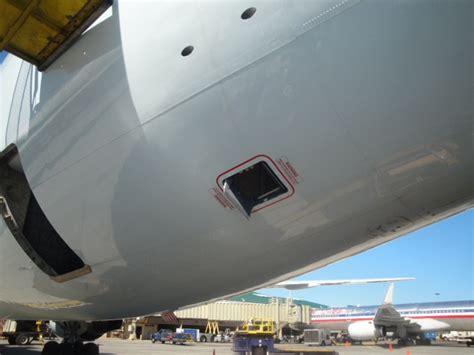
The outflow valve is a crucial component of an aircraft’s cabin pressurisation system. It plays a key role in regulating the outflow of air to keep the cabin altitude at a comfortable level. In modern turbine-powered aircraft, bleed air from the engines’ compressor sections is used to pressurise the cabin. This air is filtered and cooled before entering the Environmental Control System (ECS), which manages heating, cooling, and pressurisation.
The conditioned air flows into the cabin faster than it exits, causing the pressure inside to rise above the outside atmosphere. This increase in cabin pressure lowers the cabin altitude, making it breathable for passengers and crew without needing supplemental oxygen. For instance, when an aircraft is cruising at 35,000 feet, the cabin altitude might be around 8,000 feet, and at 25,000 feet, it could be about 5,000 feet.
To maintain safe cabin altitude, air must be released at a controlled rate. Imagine a balloon being inflated; if too much air is added without releasing some, it could burst. The outflow valve ensures that air is released properly.
Other important parts of the pressurisation system include the positive pressure relief valve, or safety valve, and the negative pressure relief valve. If the outflow valve fails and cabin pressure gets too high, the safety valve opens to prevent overpressurisation. Conversely, if the outside pressure becomes greater than the inside pressure, like during a rapid descent, the negative pressure relief valve activates to keep everything balanced.