
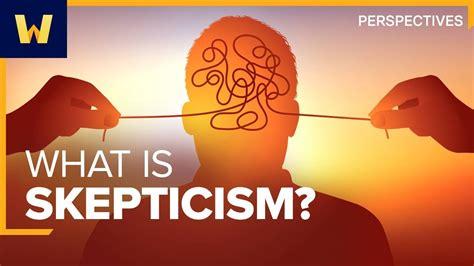
Scepticism is the attitude of doubting or questioning accepted beliefs. It plays a crucial role in how we think and learn. By being sceptical, we challenge ideas instead of accepting them at face value. This can lead to deeper understanding and knowledge.
Many people associate scepticism with negativity, but it can actually be quite positive. It encourages critical thinking and helps us make informed decisions. When we ask questions, we seek evidence and reason behind claims. This process strengthens our ability to discern truth from misinformation.
In daily life, scepticism can be useful. For instance, when we hear news stories, it’s important to question their validity. Are the sources reliable? Are the facts supported by evidence? These questions help us navigate a world filled with information.
However, there’s a balance to strike. Too much scepticism can lead to cynicism, where one distrusts everything. It’s essential to remain open-minded while still questioning. This approach allows us to grow intellectually without shutting down new ideas.
In conclusion, embracing scepticism can enhance our understanding of the world. By questioning what we know, we become better thinkers and learners. Scepticism isn’t just doubt; it’s a pathway to deeper knowledge.