
Mexico, a vast and diverse country, beckons travelers with its stunning beaches, ancient ruins, vibrant cities, and rich cultural tapestry. For those looking to explore its many wonders efficiently, internal flights offer a convenient and often necessary mode of transportation. Whether you’re planning a multi-city adventure, like hopping from the Caribbean allure of Cancun to the bustling metropolis of Mexico City, and then onward to the desert-meets-ocean landscapes of Cabo San Lucas, understanding the domestic airline scene is paramount. The Mexican aviation market is dynamic, featuring a mix of full-service carriers and aggressive low-cost airlines, each with its own set of advantages and considerations. This guide will delve deep into your options, helping you make informed decisions for a seamless travel experience across this captivating nation.
Navigating the choices can initially seem daunting, especially with varying price points and service reputations. Travelers often ponder whether the higher cost of a legacy carrier like Aeromexico guarantees a significantly better experience than budget-friendly alternatives such as Volaris or VivaAerobus. The truth, as is often the case, lies in understanding the nuances of each airline’s offering, aligning them with your personal travel priorities – be it cost, convenience, baggage allowance, or perceived reliability. This article aims to demystify the process, providing a detailed examination of the major players and practical advice for booking and flying within Mexico.
The Pillars of Mexican Aviation: An Overview
The Mexican domestic aviation market is primarily dominated by three major airlines: Aeromexico, the nation’s flag carrier; Volaris, an ultra-low-cost carrier (ULCC) with a significant domestic and growing international presence; and VivaAerobus, another prominent ULCC known for its aggressive pricing. Each airline caters to different segments of the market, and understanding their fundamental differences is the first step in choosing the right option for your internal flights. While Aeromexico traditionally represents a full-service model, Volaris and VivaAerobus have revolutionized domestic air travel in Mexico by making it more accessible, albeit with an unbundled service approach where passengers pay for extras. Beyond these three, smaller regional carriers like TAR Aerolíneas and charter-focused airlines like Magnicharters also operate, serving specific niches and routes, though for most major inter-city travel, your choice will likely narrow down to the big three.

Aeromexico: The Flagship Carrier and Its Promises
Aeromexico, as Mexico’s legacy airline and a founding member of the SkyTeam alliance, generally enjoys a reputation for higher service standards and greater reliability compared to its low-cost counterparts. Operating from its primary hub at Mexico City International Airport (MEX), Aeromexico boasts the most extensive domestic network, connecting a multitude of cities across the country, as well as a robust international schedule. For travelers seeking a more traditional flying experience, with certain amenities often included in the base fare (though this is evolving with tiered fare structures like Basic, Classic, AM Plus, and Premier), Aeromexico is frequently the preferred choice. Their fleet typically consists of Embraer regional jets for shorter hops and Boeing 737s for mainstream domestic routes, extending to Boeing 787 Dreamliners for long-haul international flights.
The perception of Aeromexico being significantly more expensive isn’t always clear-cut. While their initial ticket prices might appear higher, it’s crucial to conduct a thorough comparison, especially when factoring in ancillary costs like checked baggage and seat selection, which are often bundled into higher fare classes or are more generously allowed. For instance, a standard economy ticket on Aeromexico might include a checked bag, whereas with a low-cost carrier, this would be an additional, sometimes substantial, charge. This was a key finding for travelers who, after adding necessary extras to LCC fares, found Aeromexico’s pricing to be comparable. Furthermore, Aeromexico’s participation in the SkyTeam alliance means passengers can earn and redeem miles across a global network, a significant perk for frequent flyers. Their loyalty program, Club Premier, offers tiered benefits that enhance the travel experience for its members. Customer service, both at the airport and in-flight, is generally regarded as more comprehensive, and the airline often operates from more convenient terminals or gates at major airports. However, like any airline, Aeromexico is not immune to delays or operational disruptions, but their recovery processes and passenger assistance are often perceived as more robust.
Volaris: Soaring on the Ultra-Low-Cost Model
Volaris has firmly established itself as a leading ultra-low-cost carrier in Mexico, significantly expanding access to air travel for a broader segment of the population. With operational bases in cities like Tijuana (TIJ), Guadalajara (GDL), and Mexico City (MEX), Volaris focuses on a point-to-point network, offering a vast array of domestic routes and an increasing number of international destinations, primarily in the United States and Central America. Their business model is classic ULCC: offer a very low base fare and charge for every additional service. This includes checked baggage, carry-on baggage exceeding minimal personal item dimensions, seat selection, priority boarding, and even printing a boarding pass at the airport. This unbundling allows passengers to pay only for what they need, potentially leading to significant savings if one travels light and foregoes extras.
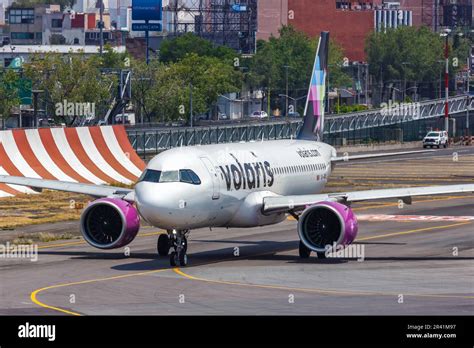
When considering Volaris, it’s imperative to scrutinize the total cost. The initial attractive price can escalate quickly once necessary add-ons are included. Their website is designed to upsell these services during the booking process. Experiences with Volaris vary widely. Many passengers report satisfactory flights, arriving at their destination without issue, especially on popular routes like Tijuana to Mexico City. However, complaints often revolve around strict baggage enforcement (both size and weight, sometimes checked at the gate), customer service challenges when issues arise, and schedule changes or cancellations. To mitigate potential problems, booking directly through the Volaris official website is highly recommended. This ensures that all fees, including the TUA (Tarifa de Uso de Aeropuerto – Airport Usage Fee), are correctly processed and that you have a direct line of communication with the airline. Volaris primarily operates a modern fleet of Airbus A320 family aircraft. For the budget-conscious traveler who understands the ULCC model and can navigate its intricacies, Volaris presents a viable and often very economical way to travel within Mexico.
VivaAerobus: The Aggressively Priced Competitor
VivaAerobus, another major player in Mexico’s low-cost aviation scene, shares many operational similarities with Volaris. Co-owned by IAMSA, one of Mexico’s largest bus transportation companies, and initially advised by Ryanair, VivaAerobus has a strong focus on offering rock-bottom fares. Their main operational base is Monterrey International Airport (MTY), with significant operations also from Mexico City (MEX) and Guadalajara (GDL). Like Volaris, VivaAerobus operates on an unbundled, à la carte service model. Passengers can expect to pay extra for anything beyond a basic seat and a small personal item. This includes carry-on bags of a certain size, checked luggage, seat assignments, and onboard refreshments.
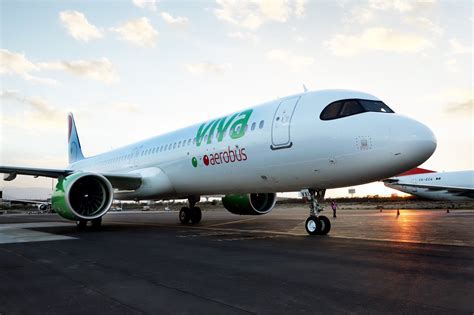
One notable aspect often mentioned by travelers is VivaAerobus’s strict enforcement of baggage policies, sometimes including weighing bags at the gate, which can catch unprepared passengers by surprise and lead to hefty last-minute fees. As with Volaris, booking directly on the VivaAerobus website is generally advisable to avoid potential complications that can arise from third-party bookings, such as discrepancies in ticket confirmation or fee payments. Anecdotal reports suggest that customer service can be a point of friction, particularly when dealing with flight disruptions or seeking refunds. However, for many travelers, the exceptionally low fares are a compelling draw, and if expectations are managed and all rules are carefully followed, flying VivaAerobus can be a cost-effective option. Their fleet also primarily consists of Airbus A320 family aircraft. The key to a positive experience with VivaAerobus, much like with any ULCC, is to read all terms and conditions carefully, pay for any necessary extras online in advance (as airport fees are usually higher), and pack according to their specific, often restrictive, baggage allowances.
Comparing the Triumvirate: Aeromexico vs. Volaris vs. VivaAerobus
When deciding between Aeromexico, Volaris, and VivaAerobus for your internal flights in Mexico, a direct comparison based on key factors is essential. Price is often the initial driver, but it’s the total cost that matters. A seemingly cheap LCC ticket can become more expensive than an Aeromexico fare once you add baggage, seat selection, and other “essentials.” Always use the airlines’ official websites to get an accurate quote including all your requirements.
- Baggage: This is a major differentiator. Aeromexico’s standard fares often include a carry-on and a checked bag (though their ‘Basic’ fare is more restrictive). Volaris and VivaAerobus typically only include a small personal item in their lowest fares, with charges for larger carry-ons and all checked bags. These fees can be significant and vary based on weight, size, and when they are paid (online in advance is cheaper).
- Reliability and On-Time Performance: Aeromexico generally has a better reputation for on-time performance and handling disruptions, though no airline is immune. LCCs, with tighter turnaround times, can sometimes experience cascading delays. However, many travelers report smooth experiences on LCCs, especially on high-frequency routes.
- Customer Service: Aeromexico is typically perceived to offer more comprehensive customer support. Resolving issues with LCCs can sometimes be more challenging, with a greater emphasis on online self-service.
- In-Flight Experience: Aeromexico may offer complimentary snacks and beverages on some flights, and generally more seat pitch. Volaris and VivaAerobus operate a buy-on-board model for all refreshments and often have tighter seat configurations.
- Network and Frequency: Aeromexico has the most extensive domestic network. However, Volaris and VivaAerobus serve a vast number of routes, sometimes offering direct connections that Aeromexico might not, or flying to/from alternative airports like Toluca (TLC) or the newer Felipe Ángeles International Airport (NLU) for Mexico City.
Ultimately, if your priority is the lowest possible fare and you travel light, Volaris or VivaAerobus can be excellent choices. If you value included baggage, potentially better customer service, and loyalty program benefits, Aeromexico might be worth the extra cost, which, as noted, may not even be “extra” once all factors are considered.
Strategic Airport Choices: MEX, NLU, and Regional Hubs
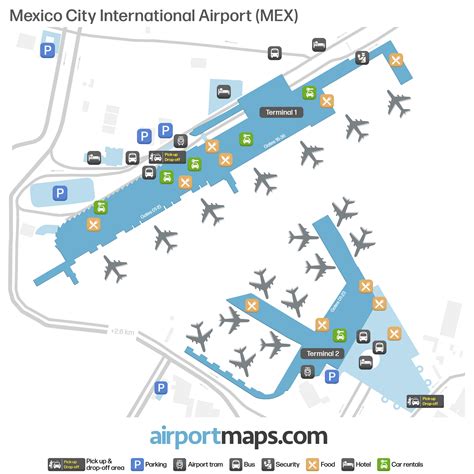
When flying to or from Mexico City, travelers now have multiple airport options. The traditional gateway, Benito Juárez International Airport (MEX), remains the primary hub for Aeromexico and a major base for Volaris and VivaAerobus. It’s centrally located but can suffer from congestion. The newer Felipe Ángeles International Airport (NLU), located north of the city, is being increasingly utilized by LCCs and offers an alternative, though ground transportation to central Mexico City needs careful planning and can be time-consuming. For some destinations, like Toluca (TLC), this airport can also serve as a less congested alternative for the greater Mexico City area, primarily for LCCs.
For travelers heading to destinations like San Miguel de Allende, the question of which airport to use is common. While flying into MEX and taking a comfortable 4-hour bus is a popular option, regional airports can offer more direct access. For San Miguel de Allende, the closest significant airport is Del Bajío International Airport (BJX) in León/Guanajuato, which is about a 1.5-hour drive. Querétaro Intercontinental Airport (QRO) is another viable option, slightly further out. Both BJX and QRO are served by domestic airlines, including Aeromexico, Volaris, and VivaAerobus, as well as some international flights, primarily from the US. Choosing between flying into MEX or a regional airport depends on flight availability, cost, your tolerance for ground transportation, and your overall itinerary. If direct flights to BJX or QRO are available at reasonable prices, they can save considerable travel time compared to flying into MEX and then traveling overland to San Miguel de Allende.
Booking Your Internal Flights: Best Practices
To ensure a smooth booking process and travel experience for your internal flights in Mexico, consider these crucial tips:
- Book Directly with the Airline: While Online Travel Agencies (OTAs) like Expedia or Orbitz can be useful for comparing prices, it’s generally recommended to book directly on the airline’s official website, especially for low-cost carriers. This minimizes potential issues with ticket validation, fee transparency (like the passenger service fee or TUA), and makes it easier to manage your booking or deal with any changes or cancellations.
- Understand Fare Rules and Baggage Policies: Before clicking “purchase,” thoroughly read the fare rules associated with your ticket. Pay close attention to baggage allowances (both carry-on and checked), fees for changes or cancellations, and seat selection policies. LCCs are particularly strict, and unexpected fees at the airport can be costly.
- Compare Total Costs: Don’t be swayed by a low headline fare. Add up the cost of the ticket, all necessary baggage, seat selection (if desired), and any other ancillaries to get the true comparative cost across airlines.
- Book in Advance (Usually): For popular routes and during peak travel seasons (like November, when the initial query was made, or around major holidays), booking in advance is generally advisable to secure better fares and availability. However, LCCs sometimes release promotional fares closer to the travel date, but this is a gamble.
- Check Airport Locations: Ensure you know which airport your flight is departing from or arriving at, especially in cities with multiple airports like Mexico City (MEX, NLU, TLC).
- Consider Travel Insurance: For peace of mind, especially if your itinerary involves multiple flights or non-refundable bookings, consider purchasing travel insurance that covers flight delays, cancellations, and lost luggage.
- Arrive Early: Mexican airports, particularly major hubs like MEX, Cancun (CUN), and Guadalajara (GDL), can be very busy. Allow ample time for check-in, security, and getting to your gate, especially if you are flying a low-cost carrier which might have longer queues or more stringent gate checks.
Final Thoughts: Choosing Your Wings in Mexico
Traveling by air within Mexico is an efficient way to cover its vast distances and experience its diverse offerings. The choice between Aeromexico, Volaris, and VivaAerobus largely depends on your individual priorities, budget, and travel style. There’s no single “best” airline; each serves a purpose. Aeromexico offers a more traditional, full-service experience, often with greater perceived reliability and comfort, though its prices can be higher if not carefully compared. Volaris and VivaAerobus provide highly competitive fares, making air travel accessible to more people, but this comes with the understanding that you’re paying for a basic service, and extras will add up. Many travelers successfully use all three, choosing based on the specific route, price at the time of booking, and their needs for that particular trip.
By doing your research, understanding the nuances of each airline’s fare structure and policies, booking strategically, and managing your expectations, you can navigate Mexico’s skies with confidence. Whether you’re aiming for a quick city hop or connecting to a remote beach paradise, the right internal flight choice will set the stage for a memorable Mexican adventure. Remember that any airline can experience delays, so patience and flexibility are always valuable assets for a traveler. Ultimately, the journey from A to B, with you and your luggage arriving reasonably on time, is achievable with any of these carriers, provided you make an informed choice. Happy flying!