Air Canada is preparing for a significant expansion of its long-haul network, with 11 new or returning nonstop routes scheduled to launch or resume between October 2026 and June 2027. The expansion will strengthen the carrier’s presence across Europe, Asia and South America while adding more seasonal capacity from its three major hubs: Toronto Pearson, Montréal-Trudeau and Vancouver International Airport.
According to an analysis of Air Canada’s schedule submission to OAG, the airline plans an average of 57 daily long-haul departures between October 2026 and July 2027, representing a 12% increase compared with the same period a year earlier. The growth is particularly notable because Air Canada is using a broader mix of aircraft, including the Airbus A321XLR, Boeing 787 Dreamliner and Airbus A330-300.
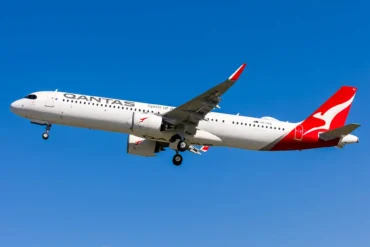
The A321XLR is especially important to the expansion. Air Canada’s narrowbody long-haul operations have increased dramatically, with A321XLR flying allowing the airline to open routes that previously would have required larger widebody aircraft. Boeing 737 MAX 8 deployment has also doubled, giving the carrier additional flexibility across its wider international network.

Air Canada’s 11 New Long-Haul Routes for 2026 and 2027
The new network covers 12 airports and 42,704 network miles, with launches spread across the winter and summer scheduling seasons. Several routes are entirely new for Air Canada, while others represent the return of markets previously served by the carrier or its subsidiaries.
The first new service begins on October 25, 2026, when Air Canada launches Toronto to Tenerife South twice weekly with the A321XLR. Six days later, Montréal will also gain a Tenerife connection. The YUL-TFS service will initially operate weekly before increasing to three weekly flights, and unlike the original plan, it is now expected to operate year-round.
December brings two new Quito services. Montréal-Quito begins December 4 with three weekly Boeing 787-8 flights, followed by Toronto-Quito on December 5 with a weekly 787-9. The Toronto market has historical precedent, having previously been operated by Air Canada Rouge between 2019 and 2020.
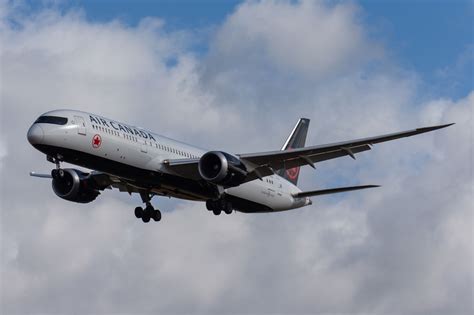
On December 17, Vancouver will launch its new service to Sapporo New Chitose Airport, with three weekly Boeing 787-8 and 787-9 flights during the winter season. The route is particularly significant because it gives Air Canada another nonstop gateway into Japan and is designed around strong winter demand for Hokkaido.
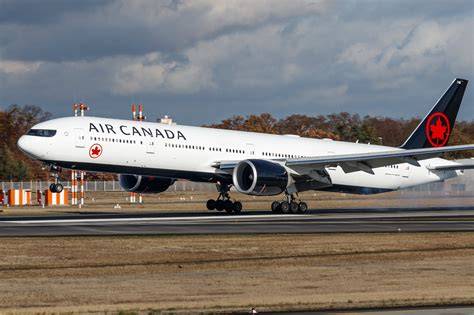
The expansion continues into spring and summer 2027. Vancouver-Guangzhou begins May 4 with three weekly 787-9 flights operating year-round. Montréal-Dubrovnik follows on May 11 with three weekly 787-8 flights during the summer season.
Toronto then becomes the center of several European additions. Oslo begins June 2 with four weekly A321XLR flights, while Toronto-Shannon launches June 10 with three weekly A321XLR flights. Air Canada has operated the Shannon market before, including service in 2018.
On June 16, Montréal gains a new Basel service with four weekly A321XLR flights, while Toronto receives its first nonstop Air Canada service to Nice Côte d’Azur Airport using the A330-300 twice weekly during the summer.
Sapporo Becomes Air Canada’s Shortest Asia Route
The Vancouver-Sapporo route is one of the most interesting additions because of its distance. Covering approximately 3,726 nautical miles (6,901 kilometers) each way, YVR-CTS will become Air Canada’s shortest nonstop route to Asia.
That is roughly 8% shorter than Vancouver-Tokyo Narita, which has held that distinction for many years. Sapporo’s New Chitose Airport is an important gateway for Hokkaido, particularly during the winter, when the region attracts visitors for skiing and other snow-related tourism.
Air Canada will serve four Japanese airports once the new route begins: New Chitose from Vancouver, Narita from Montréal, Toronto and Vancouver, Kansai from Vancouver and Toronto, and Tokyo Haneda from Toronto. The additional Sapporo flights will also give Vancouver its highest January number of departures to Japan in two decades.
Air Canada originally announced the route as the only nonstop connection between North America and New Chitose. That situation has since changed, with United Airlines planning its own service between San Francisco and Sapporo.
Toronto Gets Its First Air Canada Route to Nice
The Toronto-Nice launch is another notable addition because Air Canada already serves the popular French Riviera destination from Montréal. The airline first entered Nice in 2014 when Air Canada Rouge began operating YUL-NCE with the Boeing 767-300ER.
The route disappeared during the pandemic before returning in 2022 with mainline A330-300 aircraft. Boeing 787-8 and 787-9 aircraft have also been used between Montréal and Nice in subsequent years.
From June 16, 2027, however, passengers in the Toronto market will gain their own nonstop connection to the Côte d’Azur. The new YYZ-NCE service effectively doubles Air Canada’s nonstop presence in the Nice market.
OAG traffic data indicates that approximately 28,000 round-trip local passengers traveled between Toronto and Nice during 2025. That represented roughly half the local traffic recorded between Montréal and Nice, but the average Toronto fare was approximately 71% higher, reflecting a market with a greater proportion of premium travelers.
The A321XLR Is Driving Air Canada’s European Expansion
Several of the new routes demonstrate exactly why the Airbus A321XLR has become strategically important for Air Canada. Oslo, Shannon, Basel and Tenerife can be served with a smaller aircraft while still providing nonstop long-haul capability.
That gives Air Canada more options than simply deploying a 787 or A330. Seasonal routes can receive appropriately sized capacity, while frequencies can be adjusted as demand changes. For passengers, the result is a larger selection of nonstop international destinations from Canadian hubs without requiring every new market to support a widebody operation.
Taken together, the 11 routes represent a substantial reshaping of Air Canada’s international schedule. From winter flights to Sapporo and Tenerife to summer services across Europe and year-round connectivity to Guangzhou, the carrier is using different aircraft and seasonal demand patterns to expand its global network through 2027.