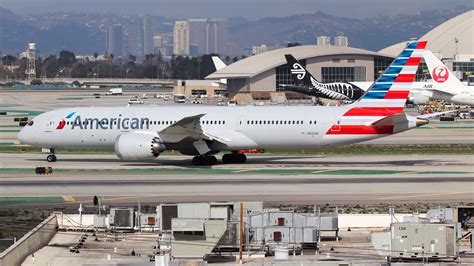
American Airlines is once again proving its strategic prowess with a bold winter network expansion announced under the festive banner of ‘Christmas in July’. With travelers already eyeing warm escapes ahead of the cold season, the carrier unveiled fresh routes that fortify its position in the Central America and Caribbean markets. The announcement underscores American’s intent to dominate winter leisure travel while subtly challenging rivals for supremacy across key hubs.
This latest move deepens American’s already substantial footprint, particularly focusing on Chicago O’Hare International Airport (ORD) and Philadelphia International Airport (PHL). These hubs will now link directly to sun-drenched Latin American destinations, enticing travelers looking to swap snow for sunshine.
Strategic Expansion Targets Key Hubs and High-Demand Destinations
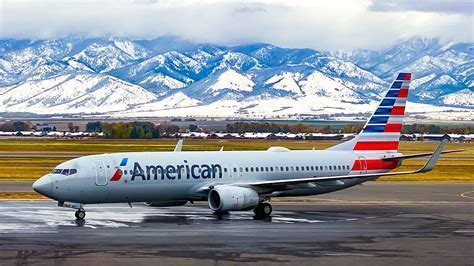
In a detailed announcement released earlier this week, American Airlines confirmed the launch of three new nonstop routes designed specifically to meet increasing seasonal demand for warm-weather getaways. These routes include:
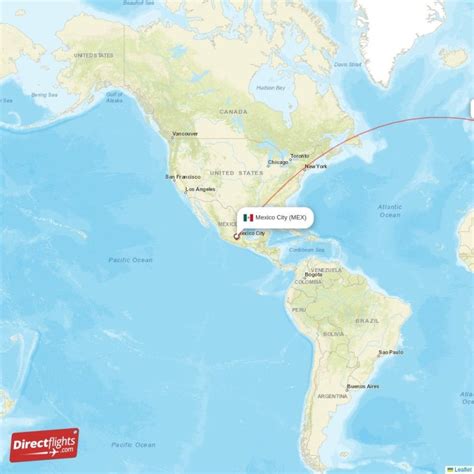
- Chicago O’Hare (ORD) to Mexico City, Mexico (MEX)
- Chicago O’Hare (ORD) to Queretaro, Mexico (QRO)
- Philadelphia (PHL) to Santo Domingo, Dominican Republic (SDQ)
The decision to add these routes from Chicago and Philadelphia represents more than just geographic diversification. While Miami International Airport (MIA) remains American’s powerhouse for Central and South American travel, the airline sees an opportunity to capture additional market share by expanding southbound connectivity from its northern hubs.
American Airlines’ Vice President of International and Inflight Dining Options commented on the launch:
“As the leading U.S. airline in Mexico, the Caribbean and Latin America, at American we’re focused on growing our network, giving our customers access to their favorite destinations in the region — from the tropical paradise of Puerto Rico to the dynamic and cosmopolitan city of Mexico City, and beyond.”
This statement not only reiterates the airline’s dominance in Latin American corridors but highlights a deliberate effort to distribute its competitive strengths across multiple U.S. departure points.
Doubling Down on Dominance: American’s Command of the Region
American Airlines is not a newcomer in the battle for sun-seeking travelers. With a robust Central American and Caribbean operation, it already operates one of the most extensive route networks in the region. At peak winter demand, the airline boasts over 430 daily departures to Latin America and the Caribbean, offering 2.3 million round-trip seats. By comparison, its nearest competitor is almost a million seats behind.
Such commanding presence not only ensures customer choice and loyalty but significantly enhances pricing power, allowing American to maintain profitability even in highly competitive seasons. Given that the carrier has been under pressure for financial underperformance in recent quarters, leveraging high-yield leisure travel segments is both timely and essential.
These new routes are therefore not just route map expansions—they are tools to restore fiscal momentum while reaffirming leadership in the hemisphere.
Philadelphia and Chicago: Expanding Access Beyond Miami
Historically, American’s Miami hub has served as the go-to springboard for travel to Latin America. However, this winter’s new connections signal a tactical shift. By expanding from Philadelphia, American opens a crucial northeastern gateway to the Caribbean, tapping into a densely populated market where cold winters are a given.
Meanwhile, Chicago’s O’Hare has long been an aviation battleground. American’s decision to launch new southbound routes from this hub is as much about market opportunity as it is about territorial defense.
Rivalry Intensifies at O’Hare as Legal Battle Looms
American’s efforts in Chicago, however, face stiff headwinds beyond just weather patterns. At the heart of O’Hare’s expansion saga lies a bitter legal feud with archrival United Airlines. As part of the Chicago Department of Aviation’s restructuring, United is set to gain four new gates—gates that American contends were promised to them under previous agreements.
The disagreement has already escalated to a federal lawsuit, with American alleging breach of contract. The court’s decision could shape the long-term balance of power at O’Hare. Regardless of the outcome, the gate dispute exemplifies the fierce turf wars airlines are willing to fight when hub control is at stake.
Even amidst these challenges, American’s commitment to growth in Chicago is unwavering. The introduction of new international flights, particularly to high-demand markets like Mexico City, indicates confidence in the Windy City’s strategic potential—even if it means going toe-to-toe with United at every turn.
Customer Impacts: More Choices, Competitive Fares
While corporate lawsuits and market share wars dominate headlines, travelers ultimately stand to benefit most from this fierce competition. The expansion into Mexico City, Queretaro, and Santo Domingo means:
- Shorter travel times from northern U.S. cities to tropical destinations.
- Increased frequency and availability of winter flights.
- Greater pricing pressure on competitors, leading to more affordable fares.
Moreover, travelers departing from Philadelphia and Chicago no longer need to route through Miami or Dallas to reach these destinations, enhancing convenience and reducing travel fatigue.

Seasonal Strategy with Year-Round Benefits
Though the new routes are marketed heavily as winter-season additions, their success could easily convert them into year-round mainstays. American’s model has shown adaptability before—routes that outperform expectations during one season often graduate into full-time services. The business travel resurgence, coupled with sustained leisure demand, could very well support this transition.
Queretaro, in particular, offers unique appeal. As a burgeoning tech and manufacturing hub in Mexico, the route holds dual potential: catering to vacationers in winter and business travelers throughout the year. Santo Domingo, already a well-trafficked Caribbean capital, promises strong VFR (visiting friends and relatives) and tourism traffic well beyond the holiday months.
Conclusion: A Calculated Bet on Sunshine and Strategy
American Airlines’ ‘Christmas in July’ announcement is more than a festive gimmick—it’s a calculated move designed to recapture momentum, challenge rivals, and deepen ties with loyal travelers who crave warm destinations. In expanding beyond its Miami stronghold, American shows both agility and aggression. The inclusion of Chicago and Philadelphia in this push demonstrates belief in regional demand, while the overarching strategy hints at a larger network evolution on the horizon.
As holiday bookings begin and cold fronts roll in, these new routes could serve as the perfect antidote for winter blues—and a shot in the arm for American Airlines’ competitive edge.