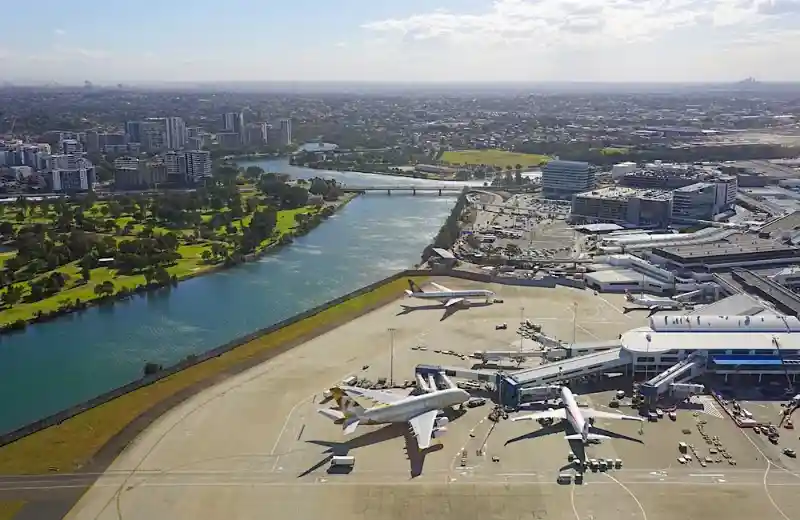
Australia’s aviation landscape is soaring to new heights this December, with ten international flight routes—both new and returning—launching across six major cities. From Jetstar’s historic Brisbane–Cebu route to United Airlines’ groundbreaking San Francisco–Adelaide service, these additions signal a resurgent confidence in global travel, just in time for the peak summer season and holiday rush. These developments also illustrate a strategic recalibration among carriers, aiming to fill demand in underserved or completely unserved markets while intensifying competition on established ones.
Jetstar Connects Brisbane to Cebu: A Historic First
Jetstar’s new service between Brisbane and Cebu marks the first-ever direct connection between Australia and this popular Philippine island. Operated three times weekly using A321LR aircraft, the route underscores a growing demand for leisure-oriented travel and secondary city connectivity. With Cebu’s appeal as a tropical getaway and its strategic regional positioning, this direct route is expected to significantly reduce travel times for both Filipino-Australians and holidaymakers.
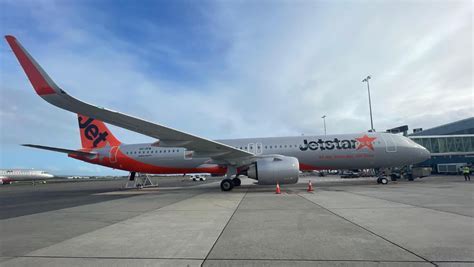
This addition is particularly notable as it enhances Australia’s links to Southeast Asia beyond capital cities, responding to both diaspora travel and increasing regional tourism interest. The new Cebu route complements Jetstar’s existing expansion trajectory in the Philippines, following the November launch of its Perth–Manila route.
United Airlines Brings North America to Adelaide
Another milestone in Australia’s December expansion is United Airlines’ launch of San Francisco to Adelaide, beginning December 11. Arriving in South Australia at 9:30 a.m. on December 13, this route makes Adelaide the fourth Australian city served by United, alongside Sydney, Melbourne, and Brisbane. More significantly, it represents Adelaide’s first direct link to North America in its aviation history.
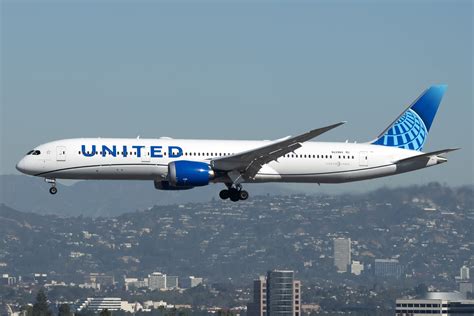
This brand-new route will be operated three times a week with Boeing 787-9 Dreamliners, offering seamless connections through United’s Pacific hub in San Francisco. For Adelaide, it’s a defining moment that aligns with regional growth strategies, aiming to attract tourism and expand business travel potential with North America.
American Airlines Doubles Down on Brisbane
American Airlines has also joined the Queensland push by launching Los Angeles to Brisbane flights, now operating three times weekly with Boeing 787-9 aircraft. This move introduces a third carrier to the market, supplementing Delta and Qantas, and creating a highly competitive transpacific corridor. It’s the first time this city-pair has seen service from three different airlines, opening up better fare and schedule choices for travelers.
Brisbane’s emergence as a viable West Coast US gateway is no accident. It reflects the city’s growing international profile and its strategic position for connecting deeper into Australia’s East Coast and regional areas.
Qantas Recommences Perth–Auckland and Perth–Johannesburg
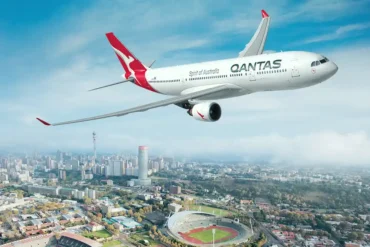
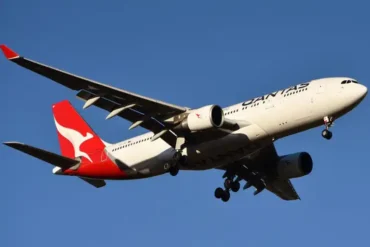
Qantas has revived two important long-haul connections from Perth this month:
- Perth–Auckland, flown with A330-200s, returned on December 7. It complements Qantas’ own service and replaces coverage left open after Batik Air Malaysia’s withdrawal earlier in 2024.
- On the same day, Perth–Johannesburg also resumed, responding to substantial demand from Australia’s South African community.
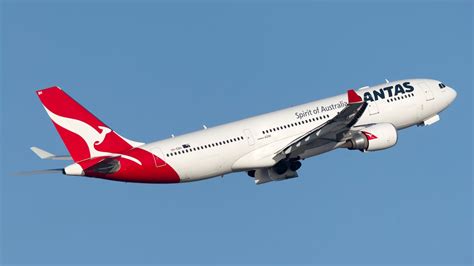
These flights are strategically timed to allow passengers to connect in Perth to other major Australian cities. For example, many travelers from Johannesburg bound for Melbourne, Brisbane, or Adelaide will enjoy faster overall transit times via Western Australia rather than routing through congested Sydney.
With over 200,000 South African-born residents in Australia—many living in Perth—this route is a critical cultural and economic bridge. The Johannesburg service alone had 40,000 passengers in the past year, demonstrating its value.
Darwin Reconnects with Mainland China via Guangzhou
China Southern has re-established direct connectivity to Darwin, launching a brand-new route from Guangzhou using 737 MAX 8 aircraft, flying three times a week. While current booking numbers from China to Darwin are low—only a few thousand in the year to September—this new service aims to reignite a previously thriving market.
Before the pandemic, Darwin welcomed 36,000 round-trip passengers from China in 2019, mostly served by Donghai Airlines’ route from Shenzhen. China Southern is clearly positioning itself to rebuild demand from its southern hub in Guangzhou, a city within proximity to Shenzhen, capturing both leisure and potential education-related traffic.
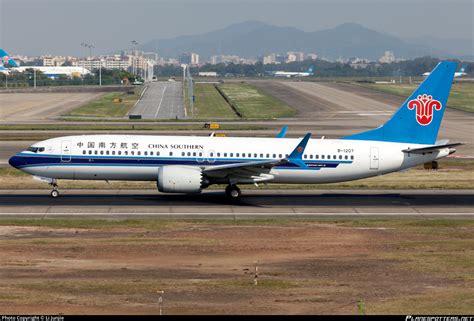
At 4,400 km, this is China Southern’s second-longest narrowbody-operated nonstop route, second only to its service to Port Moresby, reinforcing the airline’s commitment to regional diversification.
Other Notable Entrants: Delta, Shenzhen Airlines, and Hong Kong Airlines
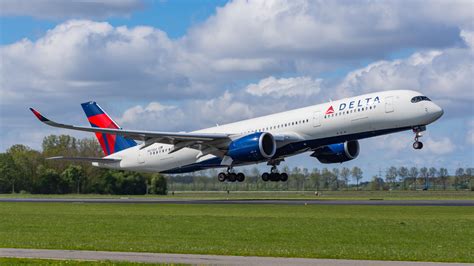
This December also sees a significant boost to Melbourne’s international footprint. Delta Air Lines begins a three-weekly Los Angeles–Melbourne service on the A350-900, while Hong Kong Airlines returns to the city with a new Hong Kong–Melbourne route using A330-300s. These launches bring the number of carriers on these routes back to pre-pandemic levels, last seen in 2020 when Virgin Australia was active in both markets.
In parallel, Shenzhen Airlines is joining the fray with Shenzhen–Melbourne, also operated three times weekly. Although China Southern last operated this route in 2020, Shenzhen Airlines’ entry signals renewed interest in the China–Australia corridor as Chinese outbound travel gradually rebounds.
Strategic Implications and Competitive Pressure
The addition of three brand-new markets and the resumption of previously served ones showcases Australia’s strategic value in global aviation. The summer holiday window, high demand, and strong diaspora links have made December the perfect month for these launches. This expansion introduces significant competitive dynamics into several key markets:
- US–Australia transpacific routes now boast more carriers and better coverage, with LAX emerging as a dominant hub.
- Australia–China links are slowly returning, with secondary cities like Darwin and Shenzhen in focus.
- Australia–Africa and Australia–New Zealand corridors are being reshaped by revived Qantas services from Perth.
As travel continues to rebound, these new and returning services are more than just statistics—they are strategic moves that deepen Australia’s global connectivity, offer travelers more choice, and bolster local economies. With multiple airlines tapping into leisure, VFR (visiting friends and relatives), and business markets, the competitive landscape promises lower fares, better service, and broader reach.
In sum, Australia’s international skies are busier than ever, and December marks a bold leap forward in the nation’s post-pandemic aviation resurgence.