
Autothrottle and Autothrust Explained
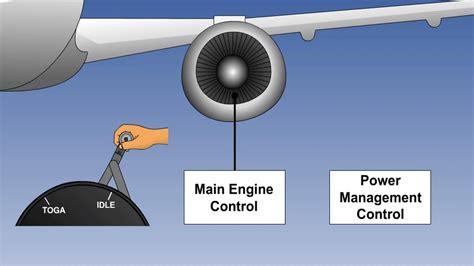
An autothrottle, also known as autothrust depending on the manufacturer, is a system that helps pilots manage engine power automatically. Instead of manually adjusting thrust with levers, pilots can select a specific flight profile or parameter, and the autothrottle takes care of the rest. For instance, Boeing and Embraer aircraft utilize autothrottle systems. When engaged, these systems adjust engine power based on flight conditions, allowing for smoother operation.
On the other hand, Airbus aircraft use an autothrust system that operates differently. In certain flight phases, the pilot can set the thrust levers in a fixed position, known as a detent. While in this position, the thrust levers won’t move, but the system can still adjust power according to flight parameters.
A Brief History
Automatic throttle systems have been around since the late 1940s. Early models aimed to maintain a specific angle of attack by automatically adjusting engine output. Over time, enhancements allowed these systems to maintain airspeed and prevent exceeding it. Today’s advanced autothrottle systems are designed for use throughout all flight phases, from takeoff to landing. However, some older systems can only engage after takeoff or must be turned off before landing.
How It Works
Autothrottle systems are strategically controlled through the Flight Management System (FMS). This can involve entering a Cost Index or specific airspeed/mach values for various flight phases. Pilots can also make manual adjustments via the Flight Control Unit (FCU) or Mode Control Panel (MCP). Depending on the aircraft, the thrust levers might physically move in response to the autothrottle adjustments, but pilots always have the option to override the system and control thrust manually.
There are two primary modes for autothrottle systems:
-
Thrust Mode: Used for takeoff, climb, and descent. In this mode, thrust is set to a specific value for takeoff, and the system maintains the appropriate climb thrust during ascent. For descent, thrust is reduced to idle, and speed is controlled by pitch attitude.
-
Speed Mode: In this mode, the autothrottle adjusts engine thrust to maintain a speed value set by the FMS or selected by the pilot. Most systems prevent speed selections outside the aircraft’s operational limits.
Some aircraft, like the Embraer 170/190, differentiate between two modes: “speed on thrust” and “speed on elevator.” Each mode manages speed differently depending on the flight situation.
Additional Features
Another type of automatic engine control is the Automatic Takeoff Thrust Control System (ATTCS), found in the Embraer 170/190. When activated, this system provides extra thrust under certain conditions, such as significant differences in engine performance or during engine failures.
Considerations and Risks
While autothrottle systems significantly reduce pilot workload, they come with risks. Misunderstanding how these systems work can lead to dangerous situations. For example, incorrect radio altimeter readings can cause unwanted thrust reductions during landing, potentially resulting in accidents.
Pilots need to be aware of how to use autothrottle systems properly. Incorrect selections in flight director or autopilot modes can lead to unexpected responses from the system, which could jeopardize flight safety. In turbulent conditions, manufacturers often recommend disengaging the autothrottle to maintain better control.
Notable Incidents
Several accidents highlight the importance of proper understanding and usage of autothrottle systems:
-
B772, San Francisco, CA, 2013: An Asiana Boeing 777-200 descended too low due to mismanagement of thrust, leading to a crash after the pilots failed to notice their thrust was at idle.
-
B773, Dubai, UAE, 2016: A Boeing 777-300 lost control during a go-around attempt after the crew failed to notice that the autothrottle did not respond as expected.
-
B733, Bournemouth, UK, 2007: A Thomsonfly Boeing 737-300 nearly lost control during a go-around due to low speed and thrust, attributed to inadequate understanding of the pitch control system.
-
B738, Amsterdam, Netherlands, 2009: A Turkish Airlines Boeing 737-800 crashed after the crew failed to use sufficient thrust on approach, leading to a stall.
-
A321, Incheon, South Korea, 2013: An A321 suffered significant damage during a bounced landing due to loss of airspeed, caused by failure to follow recovery procedures.
In conclusion, while autothrottle and autothrust systems enhance safety and efficiency, understanding their operation is crucial for pilots to avoid potentially dangerous situations.