Modern US Navy ships are designed to operate as independent fighting platforms capable of remaining at sea for months at a time. While the public often focuses on aircraft carriers’ massive flight decks, nuclear reactors, and advanced weapons systems, some of the most important capabilities are hidden inside smaller technical spaces. One of these critical areas is the Metrology and Calibration Laboratory, commonly known as METCAL.
A METCAL facility may not appear as impressive as a fighter aircraft launch system or a missile defense network, but it performs a mission that directly affects nearly every operation aboard a modern warship. These onboard laboratories ensure that thousands of instruments, sensors, and electronic systems provide accurate measurements. Without precise calibration, even the most advanced military equipment could deliver unreliable results.
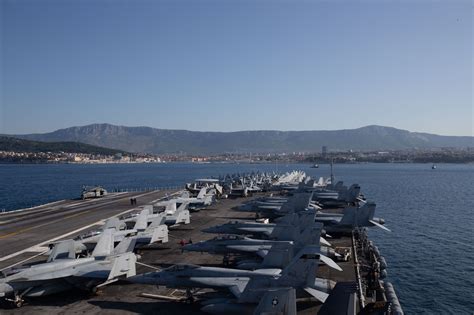
The reason Navy ships need their own calibration laboratories comes down to one simple requirement: precision at sea. Large vessels such as aircraft carriers and amphibious assault ships often operate thousands of miles away from shore-based support facilities. When a ship is deployed for extended missions, waiting for equipment to be sent back to a land laboratory is impossible. An onboard METCAL team allows sailors to maintain operational readiness without depending on external support.
The Science Behind US Navy METCAL Calibration Operations
Calibration is the process of comparing measurement equipment against known standards to ensure accuracy. The field of metrology, which is the science of measurement, plays a vital role throughout military operations. From aircraft maintenance tools to navigation systems and electronic testing equipment, accurate measurements are essential for safety and effectiveness.
The Navy established its METCAL program in the 1950s after discovering that improperly calibrated instruments were contributing to unreliable missile testing results. This led to the creation of a dedicated naval measurement system designed to improve reliability across military technology.
Today, Navy metrology operations support thousands of different calibration procedures. These procedures cover a wide range of equipment, including electrical testing devices, optical systems, aviation maintenance tools, communication equipment, and specialized military instruments. Each calibration task ensures that sailors and technicians can trust the information their equipment provides.
Only certain Navy ships operate their own METCAL laboratories. Large platforms, particularly aircraft carriers and amphibious assault ships, require onboard facilities because of their enormous amount of equipment and long deployment cycles. Smaller ships generally rely on regional shore-based calibration centers because their requirements are more limited.
Why Aircraft Carriers Depend on Floating Precision Laboratories
An aircraft carrier is often described as a floating city, and its METCAL laboratory demonstrates why that comparison is accurate. A carrier contains thousands of systems that must work together, from aircraft maintenance equipment to navigation technology and defensive systems.
A carrier’s aircraft operations create an especially strong need for calibration. Naval aviation depends on highly accurate instruments to maintain aircraft, test components, and support flight operations. Even small measurement errors can create serious safety concerns when dealing with high-performance military aircraft.
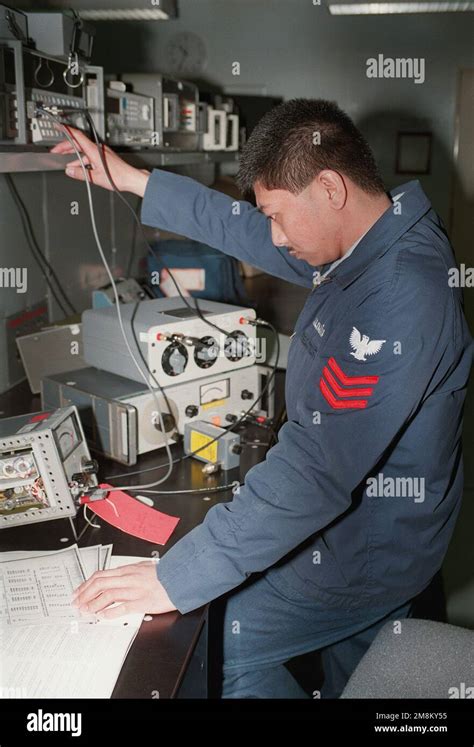
For example, METCAL technicians may calibrate equipment used with night vision goggles, ensuring pilots receive the correct level of sensitivity during nighttime operations. These tasks may seem small compared with launching aircraft from a carrier deck, but they directly contribute to mission success and crew safety.
The workload handled by these laboratories is significant. Across the Navy’s extensive network of shore-based and ship-based facilities, hundreds of thousands of calibration procedures are completed every year. Some large carriers manage thousands of pieces of equipment requiring regular inspection and adjustment.
METCAL Laboratories Improve Navy Self-Sufficiency
The importance of onboard calibration becomes even clearer during long deployments or maintenance periods away from traditional support networks. A ship that can repair, test, and calibrate its own equipment has greater flexibility and can maintain readiness in challenging environments.
The USS Harry S. Truman, for example, has been recognized for strong METCAL performance. Its laboratory supports thousands of equipment items and completes hundreds of calibration jobs each month. These efforts allow the carrier to continue operating without unnecessary delays caused by equipment verification problems.
METCAL teams also provide valuable support while ships are in port. During maintenance periods, these specialists can perform complex calibration work that might otherwise require outside contractors. This saves time, reduces costs, and improves the Navy’s ability to maintain control over its own systems.
The Hidden Technology Keeping Navy Ships Ready for Combat
Although onboard calibration laboratories rarely receive the same attention as weapons systems or aircraft operations, they represent a fundamental part of modern naval capability. A missile system, radar network, aircraft component, or navigation device is only as reliable as the measurements behind it.
The US Navy METCAL program ensures that sailors can depend on their equipment when accuracy matters most. These laboratories are a reminder that military power is not built only through large weapons platforms but also through thousands of smaller technical systems working perfectly together.
For the world’s most advanced warships, maintaining precision is not optional. It is the foundation that allows every major capability, from flight operations to combat systems, to function safely and effectively.