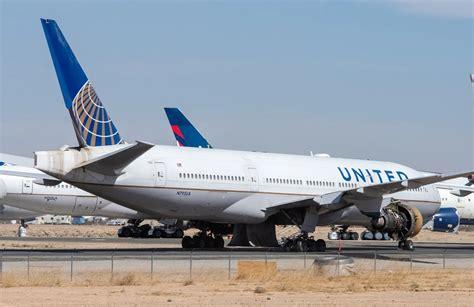
The era of the Boeing 777-200 at United Airlines is slowly coming to an end, and the aircraft’s retirement tells a much larger story about how aviation economics are changing. While the aircraft is not being grounded because of a single regulation, a combination of carbon costs, environmental policies, rising fuel expenses, and next-generation aircraft efficiency is making older widebody jets increasingly difficult to justify.
United Airlines has operated the Boeing 777-200 for nearly three decades. When these aircraft entered service in the 1990s, they represented the cutting edge of long-range aviation. They offered airlines the ability to connect major international cities with high passenger capacity, strong reliability, and impressive range. Today, however, the same aircraft face a very different operating environment.
The arrival of stricter European climate policies in 2026 has accelerated a trend already reshaping global airline fleets. Older aircraft are not being retired because they are unsafe or incapable of flying. Instead, airlines are increasingly asking whether these aircraft can remain financially competitive when every additional gallon of fuel and every ton of carbon emissions carries a greater economic impact.
Europe’s Carbon Rules Are Changing Airline Fleet Economics
The connection between European climate regulations and United Airlines’ Boeing 777-200 retirement is not as direct as many headlines suggest. The European Union Carbon Border Adjustment Mechanism (CBAM) does not directly charge airlines for jet fuel emissions. Aircraft operators do not receive a carbon bill every time they land in Europe because of CBAM.
However, the aviation industry is closely watching these policies because they represent a broader shift in how carbon emissions are valued. CBAM places carbon-related costs on industries that supply essential materials such as aluminum and steel. These materials are critical throughout aviation, from aircraft manufacturing to airport infrastructure and maintenance operations.
As manufacturers and suppliers adapt to higher carbon costs, airlines may eventually face increased expenses throughout their supply chains. Aircraft production, spare parts, airport projects, and maintenance services could all become more expensive in a world where carbon emissions are increasingly treated as a measurable financial liability.
For airlines planning fleets that will operate for decades, these changes matter. A new aircraft delivered today could remain in service through the 2040s. Fleet planners must therefore consider not only current operating costs but also the possibility of stricter environmental requirements in the future.
The more immediate pressure, however, comes from another European policy mechanism: the EU Emissions Trading System (EU ETS).
The EU ETS Is Making Fuel Efficiency More Valuable
Unlike CBAM, the EU ETS directly affects aviation emissions. Under this system, airlines operating qualifying routes must account for their carbon output through emissions allowances. As free allowances disappear, carriers face greater exposure to the true cost of their emissions.
This change has significant consequences for older aircraft. A Boeing 777-200 from the 1990s may still provide excellent reliability, but it cannot match the efficiency improvements introduced by newer aircraft designs.
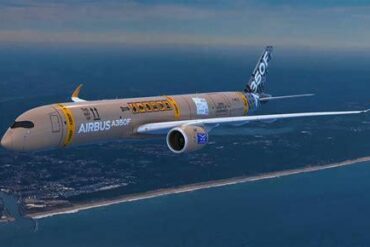
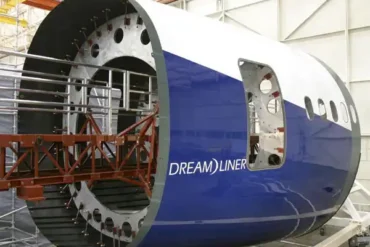
Modern widebody aircraft such as the Boeing 787 Dreamliner and Airbus A350 benefit from lighter composite structures, advanced aerodynamics, and more efficient engines. These improvements allow airlines to carry similar passenger loads while consuming significantly less fuel.
Lower fuel consumption creates a double advantage. Airlines spend less money purchasing fuel, and they reduce exposure to carbon-related costs on regulated routes. As emissions become more expensive, the financial gap between older and newer aircraft becomes wider.
For United Airlines, this economic equation increasingly favors replacing its aging 777-200 fleet with newer-generation aircraft.
United Airlines’ Boeing 777-200 Fleet Has Reached A Turning Point
United Airlines has been preparing for the retirement of its Boeing 777-200 aircraft for several years. The decision is part of a broader fleet modernization strategy rather than a sudden reaction to one environmental regulation.
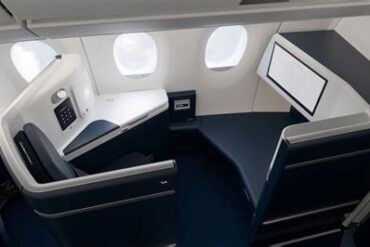
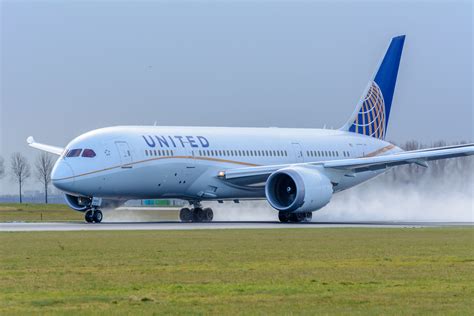
The airline has invested heavily in the Boeing 787 Dreamliner family and plans to introduce additional next-generation widebody aircraft, including the Airbus A350-900, later in the decade. These aircraft are designed around the economic realities of modern long-haul aviation.
The remaining United 777-200 fleet has an average age approaching 29 years. That places these aircraft among the oldest widebody jets operated by a major American airline.
During their early years, the 777-200 transformed international travel. The aircraft combined twin-engine efficiency with long-range capability at a time when four-engine aircraft dominated many global routes. It helped airlines reduce operating costs while opening new nonstop connections.
But aviation technology has moved forward dramatically. The newest aircraft generations use advanced materials and improved propulsion systems that deliver significant reductions in fuel consumption. A 777-200 built in the 1990s simply cannot compete with aircraft designed with modern efficiency standards in mind.
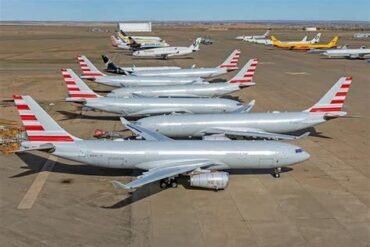
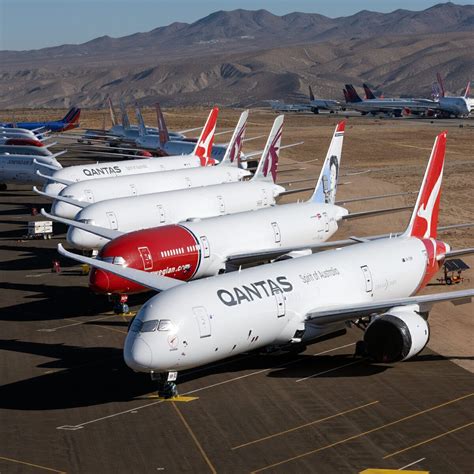
Some United 777-200 aircraft have already been moved to storage facilities such as Victorville, California, an area known as an aircraft retirement and preservation location because of its dry climate and extensive aviation infrastructure.
The desert storage process does not always mean an aircraft is immediately scrapped. Some aircraft may be preserved temporarily, used for parts, or evaluated for potential future roles. However, for aging widebodies facing rising operating costs, desert storage often represents the final stage of commercial service.
Why New Aircraft Have A Growing Economic Advantage
The retirement of United’s Boeing 777-200 fleet reflects a wider transformation across the airline industry. Older aircraft are increasingly competing against a new generation of jets designed specifically for efficiency.
The Boeing 787 Dreamliner has become one of the most important replacements for aging long-range aircraft. Its composite fuselage reduces weight while allowing improved fuel performance. Airlines operating the aircraft benefit from lower fuel consumption, reduced maintenance demands, and improved passenger experience.
The Airbus A350 follows a similar philosophy. Built with advanced composite materials and powered by efficient engines, it offers airlines a highly competitive platform for long-distance international routes.
These aircraft are not only attractive because they save fuel today. They are also better prepared for tomorrow’s regulatory environment.
An aircraft purchased in the 2020s must remain commercially viable for 20 to 30 years. Airlines therefore need to predict future costs, including possible carbon pricing, sustainable fuel requirements, and additional emissions regulations.
This has changed how carriers evaluate aircraft investments. Historically, airlines focused heavily on purchase price, maintenance costs, passenger demand, and route performance. Today, emissions efficiency has become another major factor.
Sustainable Aviation Fuel Adds More Pressure On Older Aircraft
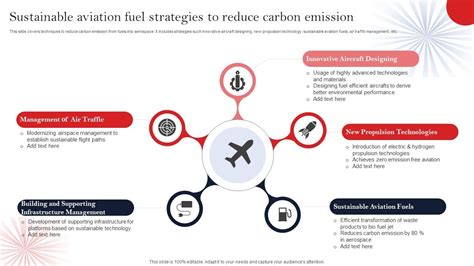
Carbon pricing is only one part of the aviation industry’s environmental transition. Another major factor is the increasing adoption of Sustainable Aviation Fuel (SAF).
SAF is designed to reduce lifecycle carbon emissions compared with traditional jet fuel. However, it currently costs significantly more than conventional fuel, creating another challenge for airlines attempting to reduce emissions without dramatically increasing ticket prices.
European regulations are encouraging airlines to increase SAF usage over time. As blending requirements rise, carriers will need to manage higher fuel expenses.
This creates another disadvantage for older aircraft. A less efficient aircraft burns more fuel, meaning it requires larger quantities of SAF when operating under future blending requirements.
A newer aircraft provides benefits in multiple areas. It consumes less fuel, produces fewer emissions, and reduces the amount of expensive sustainable fuel required for the same mission.
The result is a growing economic advantage for efficient aircraft. Even if an older aircraft remains technically capable of flying, the financial argument for keeping it in service becomes weaker.
United’s Fleet Strategy Reflects A Global Aviation Trend
United Airlines is not alone in retiring older widebody aircraft. Airlines around the world are replacing previous-generation jets with aircraft designed for lower operating costs and reduced emissions.
The trend can be seen across North America, Europe, Asia, and the Middle East. International airlines must consider environmental regulations in major markets regardless of where they are headquartered.
For carriers flying to Europe, future carbon policies are becoming an important part of long-term planning. Airlines ordering aircraft today are not simply buying airplanes; they are investing in technology that must remain competitive under future regulatory conditions.
This explains why manufacturers such as Boeing and Airbus continue to see strong demand for newer widebody aircraft despite the high cost of fleet renewal.
The industry is moving away from the idea that aircraft are retired only when they become mechanically outdated. Increasingly, aircraft are retired when their economics no longer match the market.
Carbon Policy Will Influence The Next Generation Of Aircraft Decisions
The retirement of United Airlines’ Boeing 777-200 fleet does not mean European climate rules alone forced the aircraft into the desert. The airline had already developed a modernization plan based on aircraft age, efficiency, and long-term operating costs.
However, environmental regulations have strengthened the economic argument behind that decision. Carbon emissions now represent a growing financial consideration, and aircraft efficiency has become more valuable than ever.
Future fleet decisions will likely depend on how quickly governments expand emissions policies, how SAF requirements develop, and whether carbon pricing becomes more widespread across aviation markets.
For United Airlines, replacing the Boeing 777-200 with newer aircraft represents the natural evolution of its international fleet. The 777-200 helped define modern long-haul travel, but the aviation industry is entering a new era where efficiency is becoming just as important as range and capacity.
The aircraft heading to the desert are not simply aging airplanes being retired. They represent a turning point in aviation economics, where the cost of emissions is becoming a permanent factor in deciding which aircraft continue flying and which ones become part of aviation history.