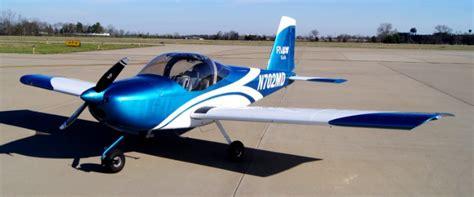
Aviation clubs, also known as flying clubs, are a cornerstone of general aviation culture, offering a blend of affordability, accessibility, and camaraderie that few other segments of aviation can match. For both budding aviators and seasoned pilots, these clubs provide a gateway to the skies without the overwhelming costs and administrative demands associated with private aircraft ownership. As community-driven, nonprofit organizations, aviation clubs enable enthusiasts to fully immerse themselves in the world of flight.
By fostering an environment where aircraft access, education, and community converge, aviation clubs play a pivotal role in expanding participation in aviation, ensuring that flying remains not just a luxury, but an achievable passion.
Affordable Access to Aircraft Without Ownership Burdens
The most compelling feature of aviation clubs is undoubtedly the economic advantage they offer. Aircraft ownership involves considerable fixed and variable expenses—insurance premiums, annual inspections, routine maintenance, hangar or tie-down fees, and depreciation. For many individuals, these costs can make private aircraft ownership impractical or outright prohibitive.
Flying clubs bypass these barriers by distributing operational expenses among multiple members. This cooperative model drastically reduces the cost per flight hour, making flying not only more frequent but also financially sustainable. Members pay a modest initiation fee, monthly dues, and hourly aircraft usage rates, often at a fraction of what a rental from a commercial FBO (Fixed Base Operator) would cost. In essence, clubs democratize access to the skies, removing the gatekeeping influence of high costs.
Flight Training and Certification Within Reach
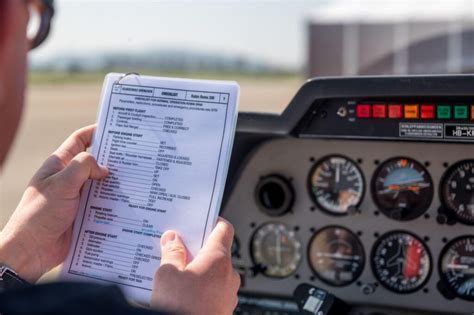
Beyond affordability, aviation clubs are instrumental in developing pilot proficiency and advancing flight education. Many clubs employ or partner with certified flight instructors (CFIs), enabling members to pursue Private Pilot Licenses (PPL), Instrument Ratings, and even advanced commercial training, all within the supportive infrastructure of the club.
This educational function transforms aviation clubs into incubators of aviation talent, nurturing pilots from their first introductory lesson to their check ride and beyond. Training at a club often comes with reduced hourly rates for both aircraft and instructors. Additionally, the hands-on learning environment, where new students can interact with experienced pilots, creates a richer, more practical flight education experience.
Fostering Community and Shared Passion
While the technical and financial aspects of aviation clubs are critical, the social dimension is equally compelling. Flying can be an isolating pursuit, especially for those not affiliated with commercial operators or the military. Aviation clubs provide a built-in community, allowing members to share stories, experiences, knowledge, and even flights.
Monthly meetings, safety seminars, hangar barbecues, and fly-ins cultivate a robust sense of camaraderie. Members often serve as mentors to newcomers, offering insight and guidance that is invaluable during early training and beyond. This sense of belonging not only enhances the flying experience but also deepens members’ commitment to aviation.
Diverse Fleets That Serve Varied Needs
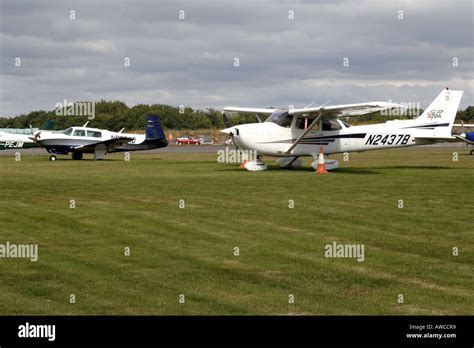
Depending on size and focus, aviation clubs may maintain diverse fleets, ranging from basic trainers like the Cessna 172 to more complex aircraft such as the Piper Arrow, Mooney M20, or even gliders and experimental planes. This variety allows pilots to transition across aircraft types, expanding their skill sets and ratings without switching to another provider.
Some clubs focus on specialized aviation, such as soaring, aerobatics, or tailwheel training, while others offer a broad array of aircraft that cater to all experience levels. This variety ensures that clubs remain appealing not just to students but also to veteran aviators looking for complexity and performance.
San Francisco Bay Area: A Hotbed of Aviation Clubs
The San Francisco Bay Area is home to several exemplary aviation clubs, each offering unique resources and community experiences for local flyers:
Northern California Soaring Association (NCSA)
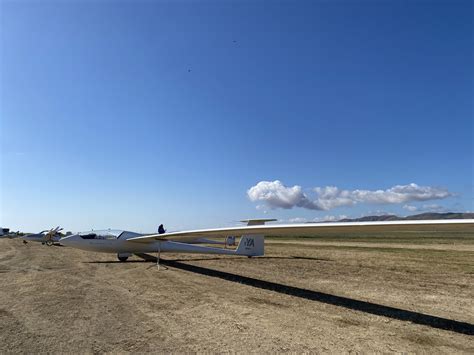
Based at Byron Airport, NCSA is renowned for its focus on glider operations. Members gain access to sailplanes and enjoy the challenging, skill-intensive world of non-powered flight. Cross-country soaring opportunities and club events offer continuous learning and advanced flying experiences.
Bay Area Flying Club
Located at Livermore Municipal Airport (LVK), this club offers comprehensive flight training from discovery flights to instrument certification. With well-maintained aircraft and modern facilities, it is ideal for both newcomers and experienced pilots.
Alameda Aero Club
Situated at Oakland International Airport (OAK), Alameda Aero Club provides access to a diverse fleet, including Cessna and Piper aircraft. They are especially noted for their tight-knit community and consistent maintenance standards.
Stanford Flying Club
Operating near Palo Alto Airport (PAO), the Stanford Flying Club caters to students and faculty, but also opens its doors to the broader public. The fleet includes modern, technologically advanced aircraft, perfect for training and recreational flying alike.
Workshops, Resources, and Member Perks
Many aviation clubs provide much more than access to aircraft. Facilities often include maintenance workshops, avionics upgrade seminars, and hangar space for member projects. These resources empower pilots to engage more deeply with aircraft systems, leading to better understanding, safer operations, and in some cases, FAA certifications in aircraft maintenance.
Members may also benefit from exclusive discounts on fuel, access to simulators, or technical expertise from certified A&Ps (Airframe & Powerplant mechanics). In this way, clubs become comprehensive hubs for all things aviation—not just the act of flying, but the engineering and craftsmanship behind it.
How to Find and Join an Aviation Club
Joining an aviation club begins with identifying your goals—whether you aim to complete a PPL, rack up flight hours, or immerse yourself in a community of like-minded individuals. Once your priorities are clear, you can begin the search using several proven avenues:
- The Experimental Aircraft Association (EAA) maintains a nationwide directory of flying clubs, many of which are EAA-affiliated and uphold strict standards of safety and training.
- The Aircraft Owners and Pilots Association (AOPA) also offers resources for finding or even starting a flying club, including startup guides and legal templates.
- A local online search using terms like “flying club near [your city]” or “aviation club [region]” can quickly reveal options nearby. Be sure to look for details like fleet size, training programs, instructor availability, and member reviews.
Visiting in person, attending a club meeting, or taking a discovery flight are excellent ways to assess the culture and quality of the club before joining.

Conclusion: Aviation Clubs as Stewards of Flight Culture
In a time when aviation can seem either too commercial or too exclusive, aviation clubs remain the heart of grassroots flying. They represent more than just shared aircraft—they are places where skills are honed, dreams take flight, and community thrives. These organizations keep general aviation alive, vibrant, and evolving, welcoming the next generation of pilots while honoring the traditions of those who came before.
Whether you dream of becoming a pilot or simply wish to be part of a passionate group of aviation enthusiasts, a well-run flying club offers a clear runway to your aspirations. By providing access, education, and camaraderie, aviation clubs are not merely flight providers—they are custodians of aviation’s enduring spirit.