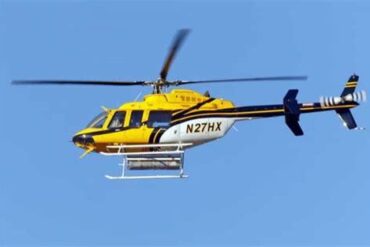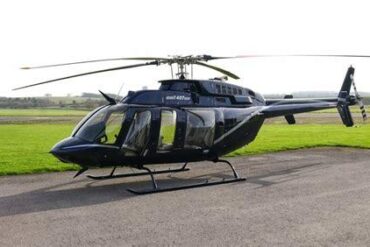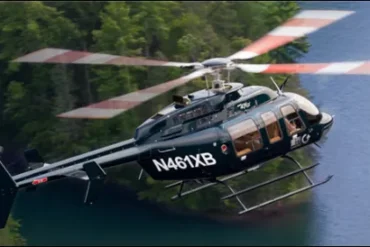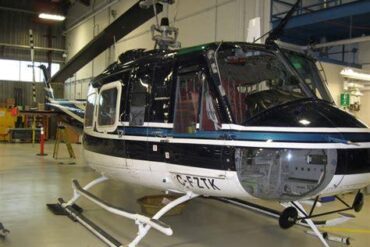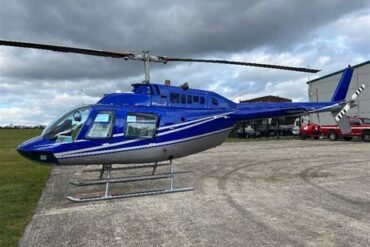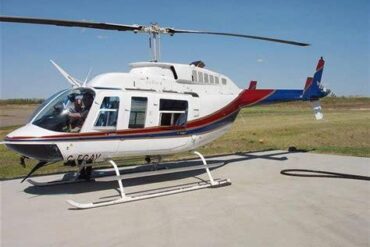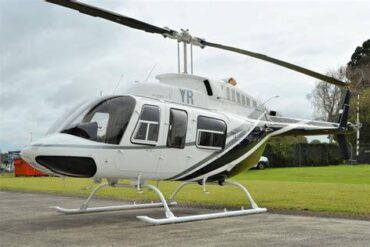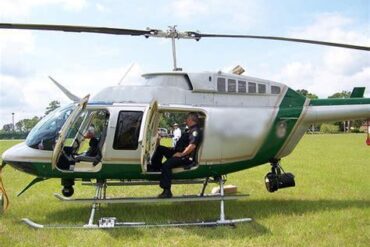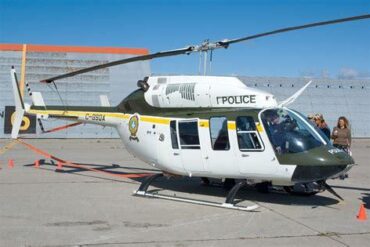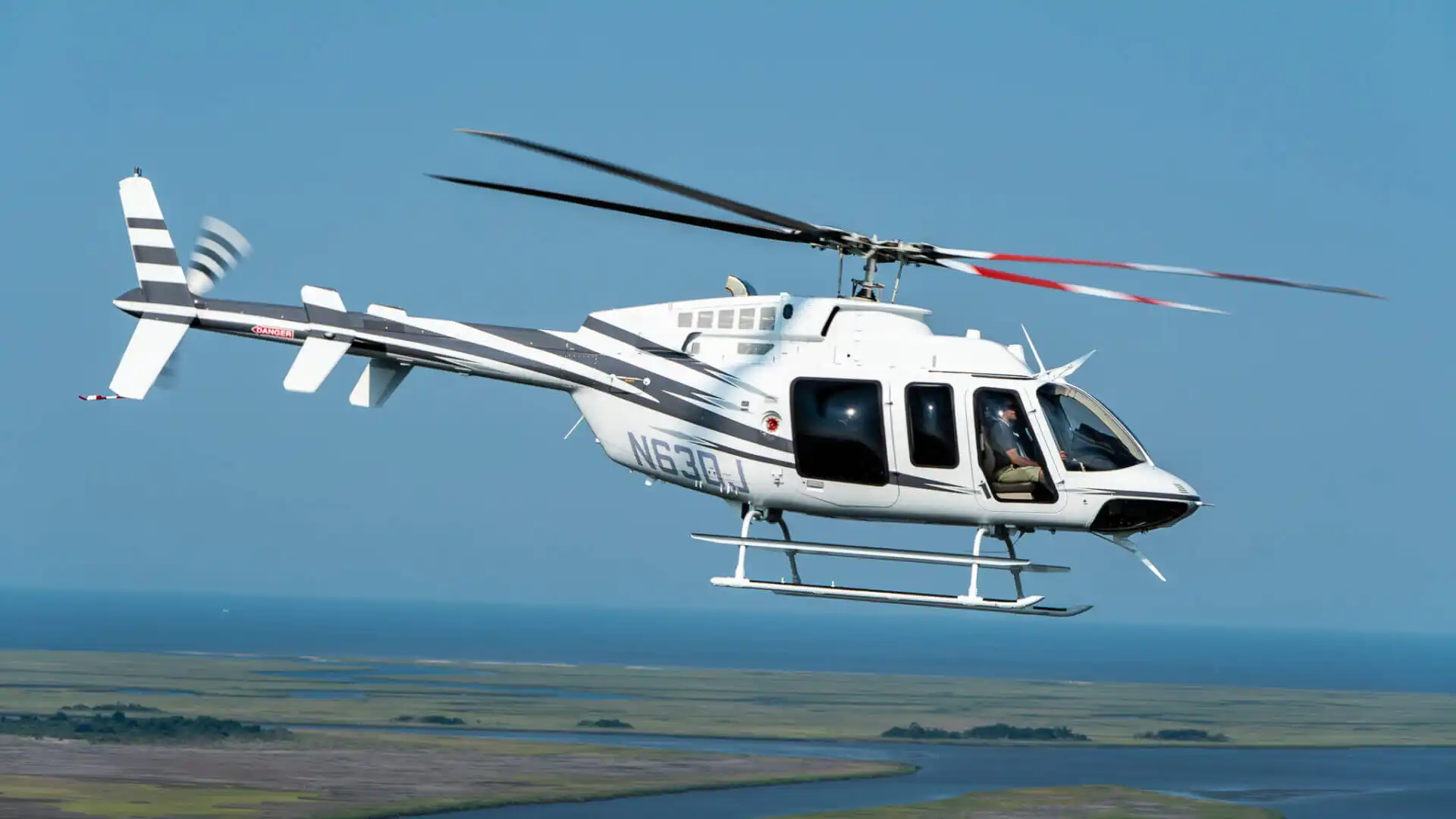
The Bell 407 GXi is a premier light single-engine helicopter, blending modern avionics, proven airframe reliability, and exceptional performance metrics. As a highly regarded model in both private and commercial aviation sectors, the 407 GXi offers a refined evolution of the original Bell 407 platform. Whether deployed for corporate transport, emergency medical services (EMS), or utility operations, the GXi remains a trusted solution for operators worldwide. Understanding its full cost profile—from acquisition pricing to hourly operating expenses—is critical for prospective buyers and fleet managers evaluating its economic feasibility.
Base Price of the Bell 407 GXi
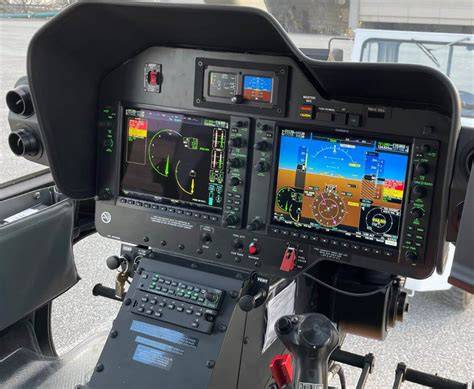
As of 2025, the base price for a new Bell 407 GXi stands at approximately $3,225,000 USD, as per listings on Bell’s official digital showroom and third-party verified platforms like AIR.ONE. This figure reflects a standard configuration, which typically includes the Garmin G1000H NXi avionics suite, a basic interior package, and standard exterior paint. However, the cost can escalate with a variety of customization options:
- VIP Interior Packages featuring upgraded soundproofing, seating materials, and ambient lighting.
- Mission-specific modifications, such as EMS interiors with medical equipment mounts or law enforcement surveillance systems.
- Advanced avionics upgrades, communications gear, and synthetic vision enhancements.
These enhancements can push the final purchase price beyond $3.6 million USD, especially for specialized mission builds.
Pre-Owned Market Valuation
The pre-owned market for the Bell 407 GXi is still maturing, with initial production units entering secondary sales channels only in recent years. While specific GXi resale data is scarce, insights can be drawn from closely related variants like the Bell 407 GX and Bell 407 GXP, which generally range from $1.5 million to $2.8 million USD based on:
- Total flight hours
- Year of manufacture
- Maintenance status and component life
- Upgrade packages installed
A relatively new GXi with under 1,000 hours, full avionics suite, and service-center maintenance records could command a price near the upper end of that range. Buyers seeking fleet uniformity or lower upfront investment often consider lightly used GXi helicopters as a strong value proposition.
Direct Operating Costs (DOC)
The Bell 407 GXi’s direct operating cost is a focal point for operational planning. These costs include fuel, airframe maintenance, and powerplant maintenance, calculated on a per-hour basis. Based on manufacturer and third-party data, the DOC is approximately $589 per flight hour under standard conditions.
Breakdown of DOC
- Fuel and Lubricants: Ranging from $209 to $420 per hour, depending on the fuel price ($4.70–$7 per gallon) and consumption rates of 46–60 gallons per hour.
- Airframe Maintenance: Approximately $252 per hour, covering inspections, scheduled maintenance events, and minor repairs. The 407 GXi benefits from predictable maintenance intervals and ease of access for technicians.
- Powerplant Maintenance: Roughly $128 per hour, attributed to the Rolls-Royce 250-C47E/4 engine. This includes routine servicing, hot-section inspections, and engine overhauls at specified intervals.
The 407 GXi’s relatively low DOC among turbine helicopters of its class enhances its appeal for utility fleets, EMS operators, and high-frequency charter services.
Total Operating Costs (TOC)
Beyond DOC, a comprehensive view must include fixed costs, yielding a total operating cost (TOC) ranging from $1,000 to $2,500 per flight hour. Variability arises from pilot employment status, insurance rates, hangar arrangements, and regional tax implications.
Fixed Cost Components
- Insurance: Annual premiums typically fall between $15,000 and $30,000, influenced by aircraft value, usage profile, and pilot history.
- Pilot Salaries: For operations requiring dedicated pilots, expect costs of $70,000 to $120,000 per year, including benefits and allowances.
- Hangar and Administrative Expenses: Depending on geographic location and services included (e.g., climate control, security), costs may range from $10,000 to $50,000 annually.
At an average utilization of 300 flight hours per year, this results in a total annual cost of approximately $300,000 to $750,000, translating to the hourly range cited above. Higher annual utilization distributes fixed costs more efficiently, reducing the effective per-hour rate.
Fuel Price Volatility and Its Impact
One of the most significant cost drivers is fuel price volatility. With jet fuel prices reaching $7 per gallon in certain regions, DOCs can fluctuate by over 30%. For operators planning over multi-year contracts or long-term budgeting, it is essential to factor in:
- Hedging strategies through fuel contracts.
- Location-specific pricing, especially for remote operations.
- In-flight weight management, which can influence hourly fuel consumption.
The Bell 407 GXi’s fuel flexibility and efficiency, particularly in hot-and-high conditions, provide some buffer against these cost shocks.
Maintenance Economics
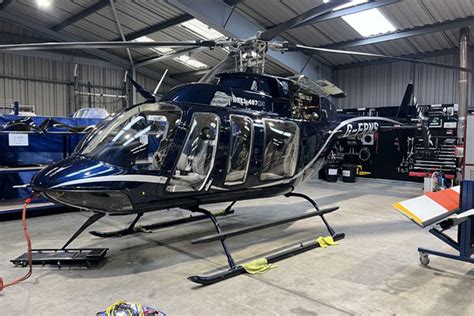
The Bell 407 GXi is engineered with long-life components and modular maintenance protocols, which support cost control over time. Notably:
- Transmission overhauls are scheduled at 5,000 flight hours, providing extended intervals compared to older platforms.
- Many components operate on an on-condition basis, allowing inspections to dictate replacement rather than fixed timelines.
- OEM parts availability and Bell’s global support network facilitate fast turnaround and competitive pricing.
Scheduled inspections are structured to coincide with component lifecycle stages, minimizing downtime and optimizing aircraft availability.
Customization and Cost Implications
Customization directly affects both acquisition price and long-term operating costs. Features like Garmin G1000H NXi avionics not only increase the purchase cost but also raise maintenance overhead due to the need for specialized diagnostics and certified technicians. Similarly, VIP cabin interiors, while attractive to executive users, may involve increased upkeep for seating, fabrics, and environmental systems.
Operators must align customization with mission requirements, ensuring that enhancements provide operational value, not just aesthetic appeal.
Operational Context and Cost Efficiency
The economics of operating a Bell 407 GXi are deeply influenced by mission type and usage intensity. A helicopter serving in EMS roles may accumulate over 600 hours per year, maximizing asset utilization and reducing per-hour fixed cost burden. Conversely, a corporate operator flying fewer than 150 hours annually might experience higher unit costs but benefit from on-demand availability and branding impact.
Additionally, some operators share GXi usage across divisions or leasing pools, boosting flight time and improving ROI.
Frequently Asked Questions
What is the current price of a new Bell 407 GXi in 2025?
As of 2025, the base price for a new Bell 407 GXi is approximately $3,225,000 USD, excluding optional upgrades. Fully equipped, mission-specific versions may exceed $3.6 million USD depending on avionics, interior, and exterior customizations.
How much does it cost to operate a Bell 407 GXi per hour?
Total operating costs typically range between $1,000 and $2,500 per flight hour, depending on utilization, mission profile, regional costs, and insurance. Direct operating costs average $589/hour, driven mainly by fuel and maintenance.
Is the Bell 407 GXi cost-effective for EMS or utility missions?
Yes. With efficient fuel burn, long overhaul intervals, and strong aftermarket support, the Bell 407 GXi provides excellent value for EMS, utility, and law enforcement applications, especially at higher annual flight hours where fixed costs are spread more evenly.