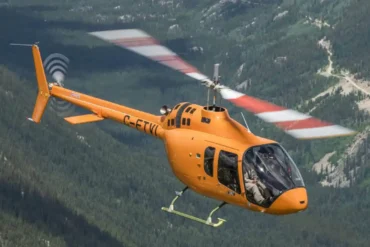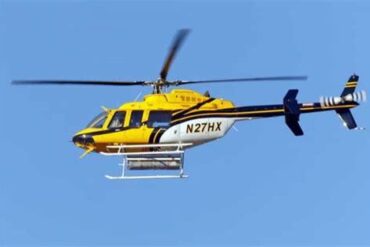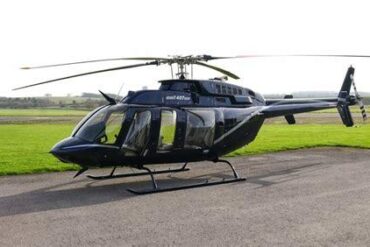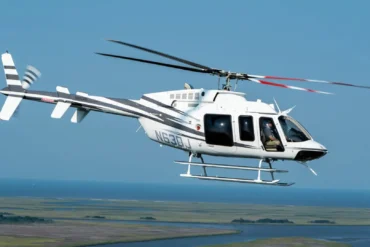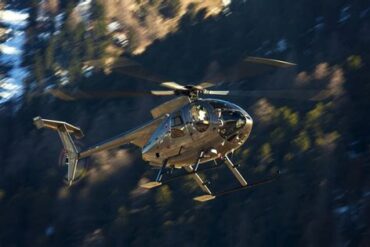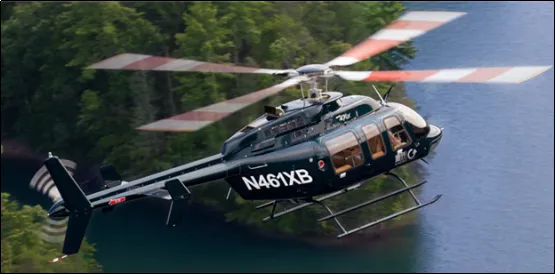
Since its first flight in 1995, the Bell 407 has consistently set the standard in the global civil and military helicopter market. Developed by Bell Helicopter Textron Canada, this single-engine, multi-role helicopter is recognized for its exceptional reliability, mission versatility, and aerodynamic performance. As a direct evolution from the popular Bell 206 series, the 407 has cemented its position in both commercial and tactical operations across continents.
Powertrain and Advanced Rotorcraft Engineering
At the core of the Bell 407’s performance lies its Rolls-Royce 250-C47B turboshaft engine, an industry workhorse known for dependability and thermal resilience. This engine integrates a Full Authority Digital Engine Control (FADEC) system, delivering 606 kW (815 shp) of takeoff power. Such robust output ensures reliable lift, especially in hot and high-altitude environments, where engine performance is traditionally compromised.
For missions requiring stealth and reduced noise profiles, the optional Quiet Cruise system is a significant upgrade. By lowering the main rotor RPM to 90–93% during cruise, it minimizes acoustic footprints, crucial for operations in urban zones or wildlife-sensitive areas.
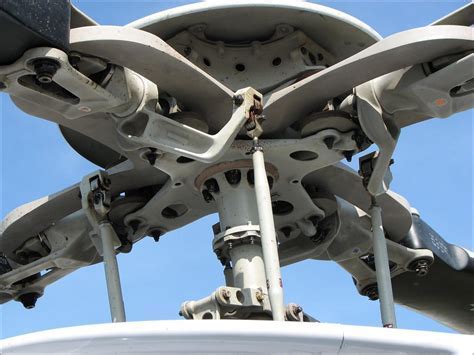
The rotor system—a four-blade, composite main rotor paired with a two-blade teetering tail rotor—derives its engineering pedigree from the OH-58D Kiowa Warrior, a combat-proven platform. This design enhances hover efficiency, reduces vibration, and improves wind resistance, all vital traits in tactical, rescue, or alpine environments.
Cabin Configuration, Ergonomics, and Safety Design
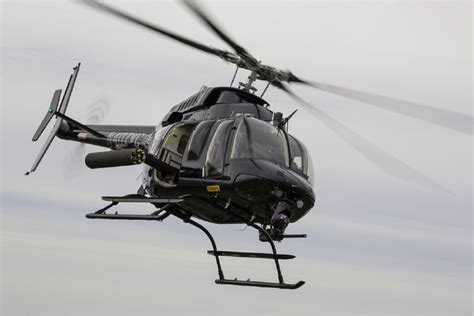
The Bell 407’s cabin architecture underscores a thoughtful balance between comfort and functionality. Compared to its predecessor, the Bell 206L-4, the fuselage is 10 cm wider, allowing better internal space management. Enhanced **window area—up by 35%—**delivers superior ambient lighting and external visibility, making the 407 particularly suitable for sightseeing, medical evacuation, and surveillance operations.
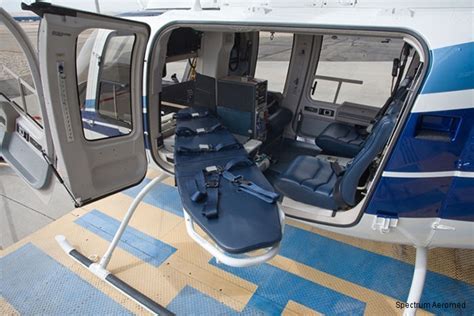
Internally, the aircraft supports flexible seating arrangements, with configurations for 1+6 or 1+7 passengers, depending on mission type. Whether deployed for VIP transport, EMS, or law enforcement, its modular layout adapts rapidly to operational needs.
Safety remains uncompromised. The helicopter integrates a crash-resistant fuel system, energy-absorbing seats, and anti-crash fuselage structure, raising survivability standards in emergency landings or high-impact scenarios. Optional enhancements include forward-looking infrared (FLIR) and night vision goggle (NVG) compatibility, critical in military reconnaissance or low-light rescue missions.
Performance Metrics and Flight Envelope
Bell 407’s flight characteristics deliver performance suitable for a spectrum of operational environments. Key specifications include:
- Maximum Cruise Speed: 246 km/h
- Service Ceiling: 5,364–5,698 meters
- Range: 612–690 kilometers (standard fuel configuration)
- Maximum Takeoff Weight: 2,722 kg (external load)
- Endurance: 3.8 to 4.3 hours
These performance metrics enable the aircraft to serve reliably in high-altitude missions, extended patrols, or long-distance inter-facility medical transfers, maintaining flight stability and payload balance.
Versatile Applications Across Civil and Defense Sectors
Civilian Roles
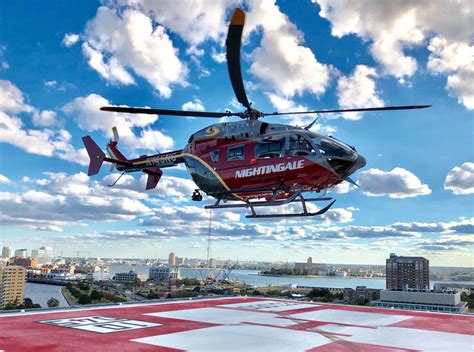
Emergency Medical Services (EMS): The Bell 407 is routinely deployed as an air ambulance, particularly in mountainous or remote areas. It accommodates full medical suites, including stretchers, cardiac defibrillators, and ventilators, ensuring critical care continuity in-flight.
Law Enforcement: Configurable with searchlights, infrared sensors, tactical communication suites, and cameras, the helicopter becomes an effective airborne policing platform. Used for border patrols, urban surveillance, and anti-terror operations, the 407 ensures real-time situational awareness.
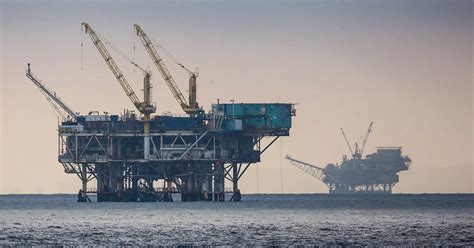
Energy Sector and Tourism: For the offshore oil and gas industry, the 407’s range and stability suit platform access logistics. In tourism, especially over scenic coastlines, deserts, and snowfields, its large windows and quiet rotor system enhance the passenger experience.
Military Utilization
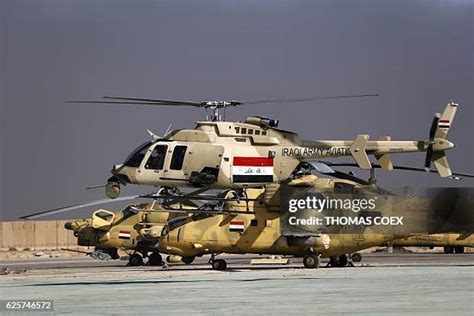
Military interest in the Bell 407’s airframe has led to several high-profile procurements and development programs. Notably, the Iraqi Air Force acquired 24 units for reconnaissance and tactical transport. The U.S. Army’s ARH-70 Arapaho, although eventually canceled, was based on the 407 platform and featured armament integration and digital battlefield connectivity.
Global Market Penetration and Economic Insights
With over 1,600 units delivered worldwide as of 2023 and a cumulative 6 million flight hours logged, the Bell 407’s market dominance remains indisputable. Its pricing trajectory reflects both its rising capability and expanding role:
- 1997 Unit Price: USD 1.225 million
- 2009 Unit Price: USD 2.305 million
- 2024 Market Price: CNY 23.5 million to 28 million (varies by configuration and avionics)
Such cost increases correlate with enhanced onboard systems and evolving mission demands, yet the Bell 407 still retains an edge in lifecycle economy. Operating costs remain competitive, with a direct hourly expense of USD 527 (2009 data), and maintenance expenditures are 12% lower than comparable helicopters in its class.
Model Variants and Continuous Evolution
Bell 407GXi
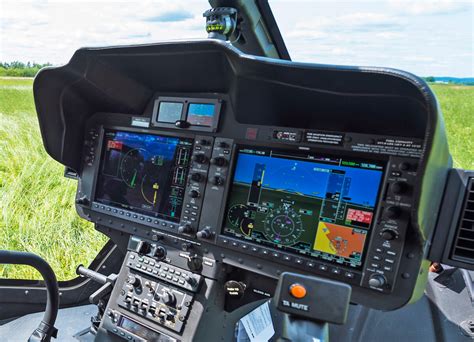
The Bell 407GXi represents the most advanced iteration of the type. It features the Garmin G1000H NXi integrated avionics suite, enabling improved situational awareness, faster startup times, and enhanced digital connectivity. Engine performance is also elevated via the M250-C47E/4 powerplant, refining fuel efficiency and altitude handling.
Bell 407AH
Tailored for armed reconnaissance and light utility roles, particularly in Middle Eastern climates, the 407AH features a modular armament system, desert camouflage, and enhanced thermal resilience. This model meets the needs of regions demanding robust counter-insurgency support from a light platform.
Competitive Edge and Market Longevity
Three core attributes define the Bell 407’s competitive edge:
- Reliability: Validated by global deployments in extreme cold, tropical humidity, and high-altitude environments, the 407 performs where many aircraft falter.
- Economic Efficiency: Lower fuel consumption, reduced maintenance costs, and high part commonality contribute to lower total cost of ownership.
- Crew and Passenger Comfort: With true wide-body cabin ergonomics, leather seating, and acoustic suppression, the aircraft minimizes fatigue during prolonged operations.
Its ability to bridge military-grade robustness with civilian comfort and utility is rare in its segment. This balance explains the aircraft’s persistent demand and the sustained development of specialized variants.
Frequently Asked Questions
What makes the Bell 407 suitable for high-altitude missions?
The Bell 407’s Rolls-Royce 250-C47B engine delivers consistent power even under thin air conditions, and its rotor system is optimized for hover efficiency, which is crucial at altitude. Combined with structural reliability, it remains a trusted choice for operations in mountainous terrains or hot climates.
How does the Bell 407 compare to similar helicopters in its class?
In terms of cost-efficiency, maintenance simplicity, and modularity, the Bell 407 often outperforms rivals such as the Airbus H125 or the MD 500 series. It also provides greater mission adaptability, from VIP transport to law enforcement, which few competitors match at this scale.
Is the Bell 407 still in production, and what are the latest enhancements?
Yes, the Bell 407 remains in active production, with the 407GXi being the latest variant. It includes state-of-the-art avionics, enhanced engine performance, and improved data-sharing capabilities, making it more network-ready and responsive to modern mission profiles.