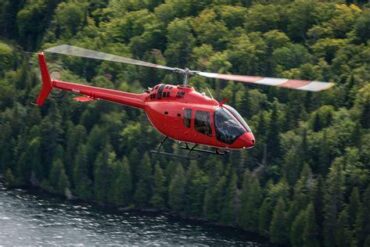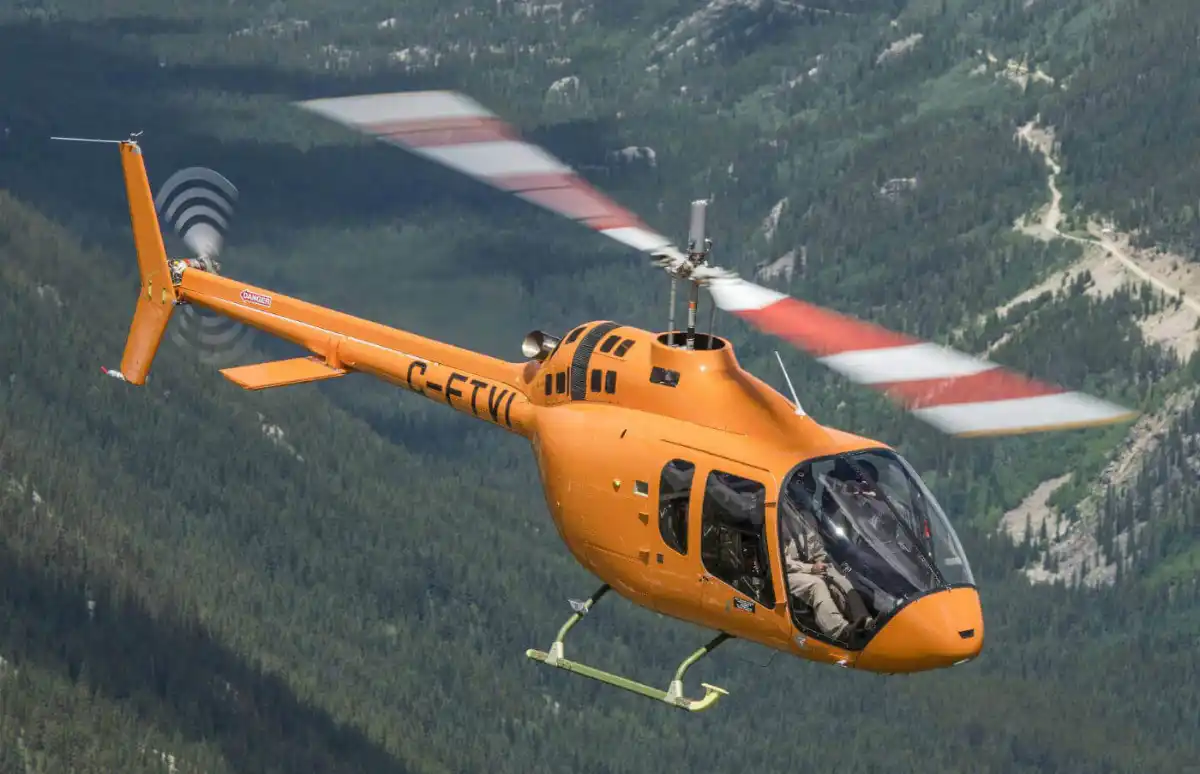
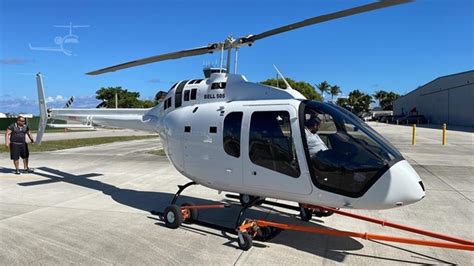
The Bell 505 Jet Ranger X stands as a symbol of modern aviation engineering, combining cutting-edge avionics, versatile performance, and uncompromising safety in a single-engine helicopter platform. Developed by Bell Helicopter, a subsidiary of Textron Inc., this aircraft was meticulously designed to meet the growing demand for a dependable, high-performance utility helicopter that excels across multiple mission profiles. From corporate transport to flight training and public safety, the Bell 505 redefines the legacy of its predecessor, the renowned Bell 206 Jet Ranger.
Launched into the global market following its inaugural flight on November 11, 2014, the Bell 505 quickly garnered attention from international aviation regulators and clients alike. It achieved certification milestones in key markets, including the United States FAA, European EASA, and notably, the Civil Aviation Administration of China (CAAC) in 2018. With a pricing structure ranging between $1.07 million to $1.5 million USD, it strikes a balance between technological sophistication and cost-effectiveness, making it a strategic choice for both commercial and governmental operators.

Technological Integration: Garmin G1000H Avionics
At the heart of the Bell 505’s appeal lies its Garmin G1000H integrated glass cockpit, a pivotal feature that represents a seismic shift from analog instrumentation. This dual-screen 10.4-inch avionics suite consolidates flight navigation, engine diagnostics, and situational awareness into a single intuitive interface. Pilots benefit from reduced workload, enhanced data visualization, and options for terrain awareness (HTAWS), traffic alerts (TIS), and synthetic vision technology (HSVT), creating a safer, more streamlined cockpit environment.
Automation plays a pivotal role in flight safety, with the avionics suite supporting both novice and veteran pilots through its simplified controls and system logic. This makes the Bell 505 particularly effective in training environments, where students can focus on flight fundamentals without the complexity of outdated mechanical gauges.
Power and Performance: Turbomeca Arrius 2R Engine
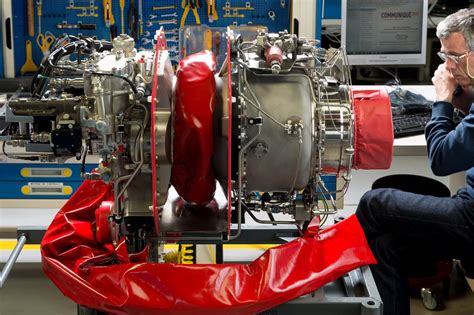
Powering the Bell 505 is the Turbomeca Arrius 2R engine, engineered by Safran Helicopter Engines. Delivering 504 shaft horsepower, the engine is equipped with a dual-channel FADEC (Full Authority Digital Engine Control) system. This not only maximizes fuel efficiency and engine responsiveness, but also ensures consistent performance under variable conditions.
The FADEC system automates critical engine functions, eliminating the need for manual throttle adjustments. It contributes to lower pilot workload, especially during high-stress scenarios such as autorotations or emergency procedures. Furthermore, the engine’s 3,000-hour maintenance interval supports longer operational cycles, reducing downtime and improving lifecycle economics.
Aerodynamic Efficiency and Structural Design
The Bell 505 Jet Ranger X is constructed with performance-centric materials and aerodynamics. Its high-inertia rotor system enhances energy retention during autorotation, offering increased control during engine-out scenarios. This design feature substantially improves safety margins in mission-critical operations, especially in mountainous or low-density altitude regions.
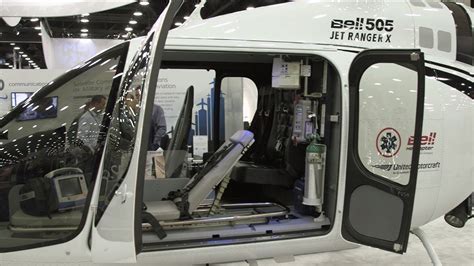
The aircraft features a flat cabin floor layout spanning 2.0 m², with clamshell doors that enable effortless access for both passengers and equipment. Its modular design supports rapid reconfiguration for various mission types, including VIP transport, aerial surveillance, and emergency medical services. Compliance with ICAO Stage 3 noise standards further adds to its appeal in urban or noise-sensitive zones.
Flight Envelope and Operational Metrics
From a flight performance standpoint, the Bell 505 delivers a cruise speed exceeding 125 knots (232 km/h) and an operational range of over 360 nautical miles (667 km) when fully fueled. These figures allow for rapid deployment over long distances without sacrificing time on ground for refueling logistics. Additionally, it offers an internal payload capacity of 1,500 lbs (680 kg) with an optional external cargo hook, expanding its use in utility missions such as firefighting, cargo delivery, and powerline inspections.
Its hover capabilities are equally impressive, boasting an In-Ground Effect (IGE) ceiling of 14,450 feet. This high-altitude performance metric places it well within the requirements for operations in alpine terrains, high-elevation cities, or tactical deployments that demand vertical lift capability at reduced air densities.
Versatile Applications Across Sectors
One of the Bell 505’s core strengths is its multi-role adaptability. It is equally at home in the private aviation sector as it is in public safety, military training, and aerial inspection.
- In corporate and VIP transport, its customizable interiors, panoramic visibility, and quiet cabin experience offer unmatched comfort.
- For training institutions, the aircraft’s simplified avionics and redundant safety systems create an ideal environment for learning critical flight skills.
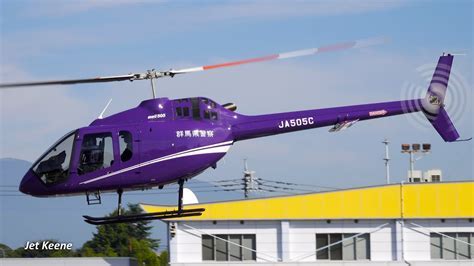
- Public safety agencies have outfitted Bell 505s with searchlights, loudspeakers, infrared cameras, and rescue winches, making them highly effective in law enforcement and SAR (Search and Rescue) roles.
Global Adoption and Market Reception
Within its first year of availability, the Bell 505 received over 240 purchase commitments, signaling strong market confidence. Since then, it has logged more than 20,000 flight hours globally, operating in a variety of environments ranging from desert patrols in the Middle East to forested terrains in North America.
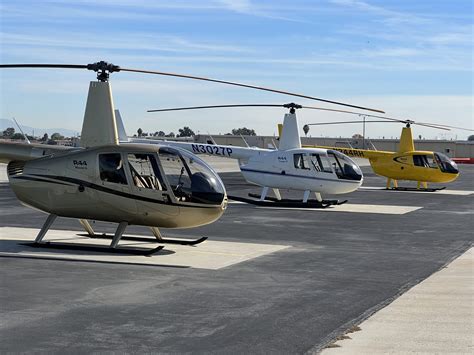
It competes directly with other light single-engine helicopters, notably the Robinson R44 and Airbus H125. However, the Bell 505 differentiates itself through its modern avionics, superior safety margins, and total ownership value. Its relative affordability, combined with advanced features typically reserved for more expensive twin-engine platforms, enables it to dominate within its class.
Operational Economics and Long-Term Value
From an operator’s perspective, the Bell 505 provides strong ROI through its low cost of maintenance, extended inspection intervals, and fuel-efficient engine. The use of modular components simplifies logistics and inventory management, while digital diagnostic systems reduce the time required for troubleshooting and repairs.
Flight schools, charter companies, and law enforcement agencies particularly benefit from this cost structure, which reduces total operational expenditure while maintaining mission readiness. Moreover, the availability of factory support, global parts supply, and training programs from Bell’s Customer Support and Services division ensures long-term operational viability.
Challenges and Comparisons to Legacy Models
Despite its many strengths, the Bell 505 faces scrutiny from legacy operators accustomed to the Bell 206 Jet Ranger. The older model’s lower acquisition cost remains a strong draw, especially for small private operators with limited capital. However, the trade-off lies in obsolete avionics, lower safety thresholds, and higher pilot workload.
When viewed from a total ownership cost perspective over 10–15 years, the Bell 505 generally outperforms its predecessors thanks to fewer unscheduled maintenance events, better fuel economy, and higher dispatch reliability.
FAQ
How much does a Bell 505 Jet Ranger X cost?
The price of the Bell 505 ranges between $1.07 million and $1.5 million, depending on configuration, optional avionics packages, and regional compliance modifications. While this may seem higher than older models, its advanced features and lower lifecycle costs often result in greater overall value.
What is the engine type used in the Bell 505?
The aircraft is powered by a Turbomeca Arrius 2R engine delivering 504 shaft horsepower. It is equipped with dual-channel FADEC, which automates engine management for improved safety and efficiency.
What are the key applications of the Bell 505?
The Bell 505 is used in VIP and corporate transport, flight training, public safety missions like law enforcement and search-and-rescue, and utility roles including aerial surveys and cargo transport. Its modular cabin and advanced avionics make it adaptable across multiple sectors.
This aircraft exemplifies the modern evolution of light rotorcraft design, serving as a bridge between the dependable legacy of the Jet Ranger family and the cutting-edge demands of 21st-century aviation.