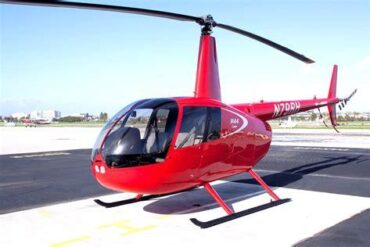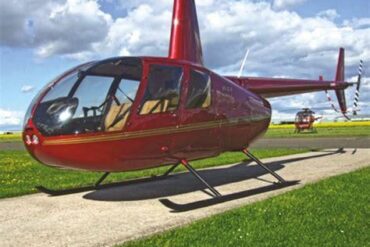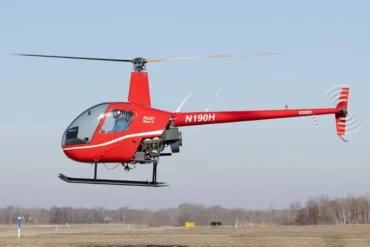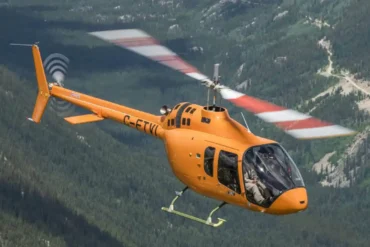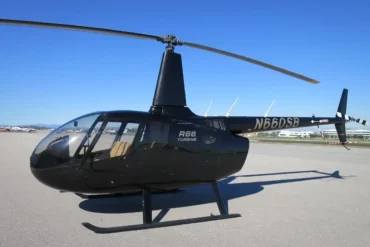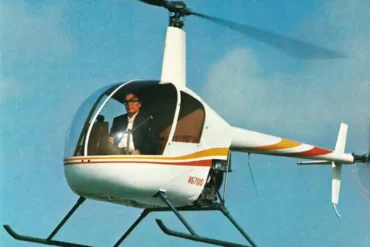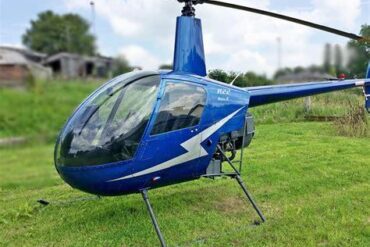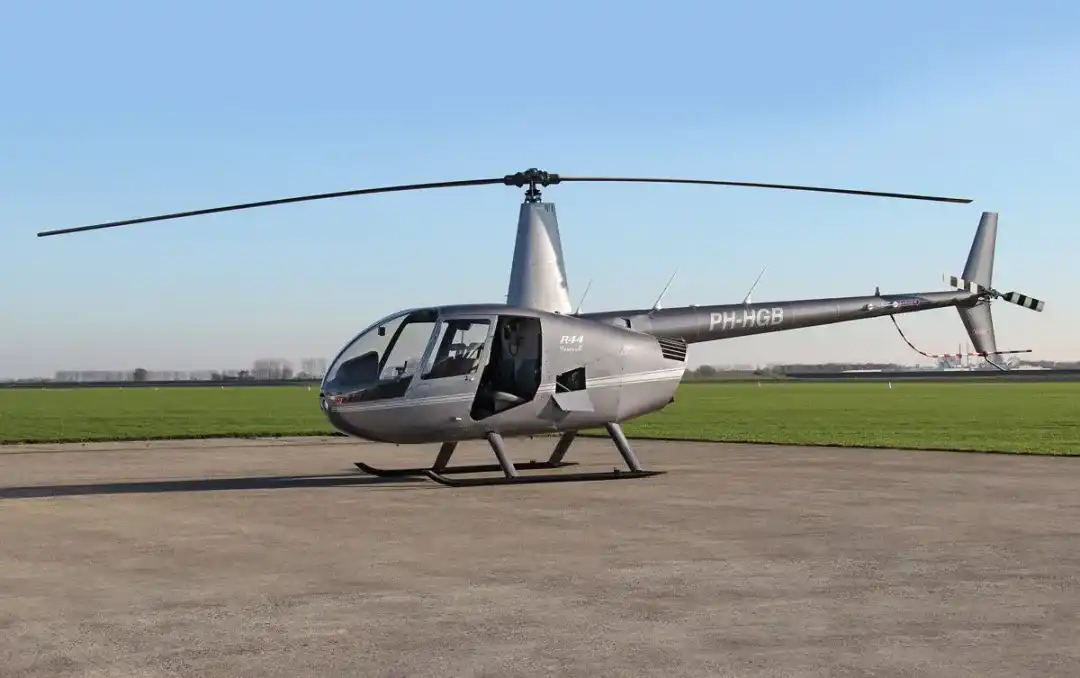
The Robinson R44 has become synonymous with performance, reliability, and economy in the world of lightweight aviation. Developed by the Robinson Helicopter Company, headquartered in Torrance, California, this aircraft has redefined what a four-seat light helicopter can deliver. Officially introduced in 1993, after its maiden flight on March 31, 1990, the R44 has since secured its reputation as the world’s best-selling light helicopter, with over 10,000 units in operation globally and more than 300 actively serving across China.
At the heart of the R44’s enduring success lies a design philosophy that marries cost efficiency with versatility, offering a flight experience that meets the needs of private owners, flight schools, law enforcement agencies, and commercial operators alike.
Design Philosophy and Engineering Mastery
Aerodynamic and Structural Innovation
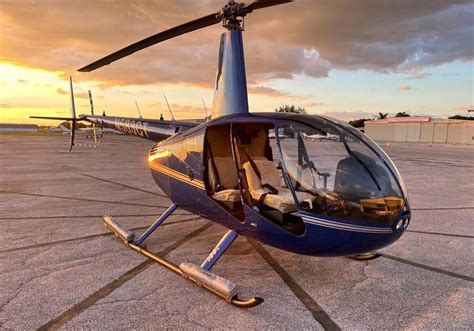
The Robinson R44 is engineered around a semi-rigid, two-blade main rotor and tail rotor system, which significantly reduces mechanical complexity and maintenance demands. The streamlined aluminum skin combined with a welded steel tube frame results in an aircraft that balances weight, strength, and durability. Its empty weight of 672 kg contributes to its nimble handling, while maintaining a maximum takeoff weight of 1,134 kg.
The helicopter’s skid-type landing gear enables operation from unprepared surfaces, and its low-slung profile aids in boarding and disembarkation. With a cruise speed ranging from 210 to 250 km/h and an effective range of 560 to 645 km, the R44 delivers capabilities that outmatch many competitors in the light helicopter class.
Advanced Flight Controls and Safety Engineering
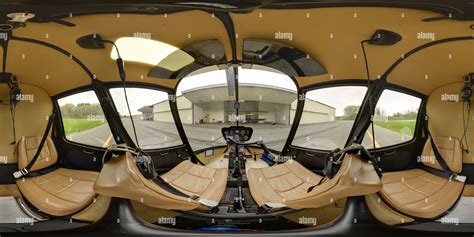
Pilots experience exceptional responsiveness and comfort thanks to the hydraulically assisted flight control system. The R44 neutralizes mechanical feedback, reducing fatigue during extended missions. A dual-control setup and adjustable pedals further enhance pilot adaptability and training suitability. Notably, the tail rotor, equipped with an elastomeric teetering hinge, minimizes wear and tear while simplifying upkeep.
Safety remains a pillar of the R44’s design. In the event of engine failure, the helicopter’s autorotation capability enables pilots to land safely using rotor inertia. The built-in rotor RPM governor ensures optimal blade speed during critical flight phases. Data from the NTSB highlights the R44’s lower mechanical failure rate compared to peer aircraft, validating its reliability in both civilian and professional contexts.
Variants and Technical Specifications
Each R44 variant is crafted for distinct operational profiles, supported by the dependable Lycoming IO-540 series piston engines. These configurations allow operators to tailor aircraft performance to specific mission needs.
R44 Raven I
- Engine: Lycoming IO-540-AE1A5, 245 hp (naturally aspirated)
- Cruise Speed: 210 km/h
- Range: 560 km
- Primary Use: General aviation, basic flight training
R44 Raven II
- Engine: Lycoming IO-540 (fuel-injected), 260 hp
- Cruise Speed: 250 km/h
- Range: 645 km
- Primary Use: Commercial transport, aerial photography, advanced instruction
R44 Clipper
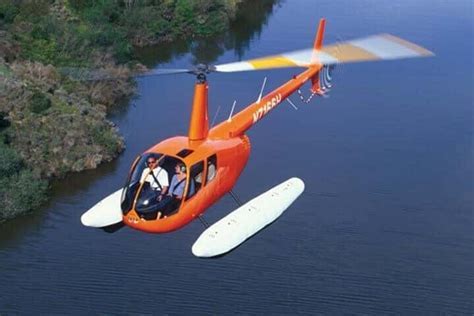
- Engine: Same as Raven I with auxiliary floats
- Cruise Speed: 187 km/h
- Range: 530 km
- Primary Use: Water rescues, maritime patrol, offshore inspection
All models share core specifications such as a service ceiling of 4,270 meters, fuel consumption of 56–57 liters per hour, and a four-seat cabin designed for comfort and field adaptability.
Operational Versatility Across Sectors
Civil Aviation and Private Use
The R44’s simplicity and affordability make it an attractive platform for private owners and aviation enthusiasts. Its generous range, dependable engine performance, and comfortable cabin enable long-distance recreational travel and aerial exploration. In countries such as Australia, Brazil, and the United States, it’s often spotted during low-altitude tours, wedding flights, and VIP transfers.
Commercial Operations and Aerial Services
Many flight schools prefer the R44 for its dual control capability, reliability, and affordable operating cost. Meanwhile, aerial photography companies capitalize on the R44’s excellent visibility, vibration-dampened frame, and slow-hover capability. From real estate shoots to documentary production, the R44 proves indispensable.
Law Enforcement and Public Safety
Agencies including the Philippine National Police and South African Police Service deploy the R44 for patrols, surveillance, and search missions. Units can be equipped with infrared cameras, spotlights, and communications relays, extending their reach during both day and night operations. The R44’s maneuverability and range make it ideal for rapid response in urban or rural terrains.

Agriculture, Forestry, and Emergency Response
In agriculture and forestry, the R44 is used for pesticide spraying, fire spotting, and reforestation monitoring. Its hover capability, precision maneuvering, and resistance to environmental stressors allow effective operation in mountainous or remote regions. The Clipper model, adapted for aquatic use, extends the R44’s reach into coastal patrol, flood response, and maritime rescue.
Market Value and Competitive Position
The Robinson R44 maintains a strategic advantage in its price-to-performance ratio. In the Chinese market, a new R44 is priced between ¥3.4 million and ¥4 million RMB, while pre-owned models, such as the 2017 Raven II, command premium resale values depending on flight hours and avionics upgrades.
Compared to two-seat helicopters such as the R22 or European alternatives like the Airbus H120, the R44 offers greater cabin capacity, superior cruising speed, and lower maintenance costs. Its parts commonality with the R22 also simplifies logistics and support for operators maintaining mixed fleets.
Safety Record and Risk Management
Between its market debut and 2010, the R44 experienced 296 recorded incidents, with 89 classified as fatal. However, investigations reveal that a substantial proportion of accidents were pilot-error-related, often occurring under adverse weather or low-visibility conditions. The 2013 Xi’an police helicopter training accident, while tragic, underscores the need for continuous pilot proficiency rather than pointing to inherent design flaws.
Subsequent enhancements, including bladder-style fuel tanks, have further minimized post-crash fire risks. This update—now standard on all post-2013 models—demonstrates Robinson’s commitment to safety and regulatory compliance.
Powertrain and Mechanical Efficiency
The Lycoming IO-540 series engines used across R44 variants are renowned for durability, fuel efficiency, and ease of maintenance. The Raven I operates on a naturally aspirated 245 hp engine, while the Raven II introduces fuel injection, enhancing altitude performance and cold-weather starts. Both engines utilize air-cooled designs, eliminating the weight and complexity of liquid cooling systems.
With average fuel consumption around 56 liters/hour, the R44 balances power with economy—ideal for sustained operations without the fuel penalties often seen in turbine-powered alternatives.
Conclusion: A Proven Leader in Rotary Aviation
The Robinson R44 continues to define the standard for affordable, high-performance light helicopters. Its blend of engineering simplicity, mission versatility, and robust after-market support ensures that the R44 remains an industry benchmark. Whether utilized for training, tourism, surveillance, or search-and-rescue, the R44’s resilient design, modular capabilities, and reputation for reliability secure its place as a cornerstone of modern rotary aviation.
FAQs
What is the difference between the Robinson R44 Raven I and Raven II?
The Raven I uses a naturally aspirated engine producing 245 hp, while the Raven II features a fuel-injected engine that delivers 260 hp. The Raven II also benefits from better high-altitude performance and improved engine start reliability, particularly in cold climates.
Is the Robinson R44 suitable for beginner pilots?
Yes, the R44 is widely used in flight training due to its user-friendly controls, dual-control configuration, and predictable flight characteristics. Its hydraulically assisted controls also make handling smoother for new pilots.
How does the R44 compare to turbine helicopters?
While turbine helicopters offer more power and faster response, they come with significantly higher operating and maintenance costs. The R44, with its piston engine, is more economical to fly and maintain, making it a superior choice for non-military and non-heavy-duty operations.