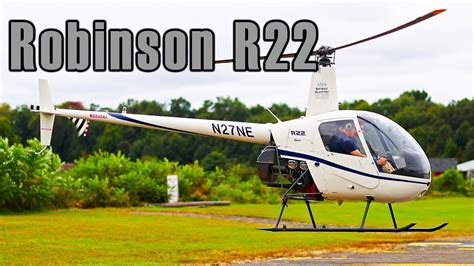
The Robinson R22 stands as a landmark in light utility aviation, representing a fusion of economical engineering, mechanical simplicity, and global versatility. Developed by the Robinson Helicopter Company (RHC) in the late 1970s, the R22 became a game-changer in civil aviation, especially in the domains of flight training, agricultural work, and light utility missions. This two-seat, single-engine helicopter is celebrated for its agile handling, low operational costs, and proven reliability, making it one of the most prolific training helicopters in the world.
From its first flight in 1975 to its present-day production, the R22 has remained remarkably consistent in its mission: delivering accessible vertical flight capabilities without compromising on mechanical integrity or flight safety. While its compact size and relatively modest powerplant may appear minimalistic, the R22’s design is rooted in precision, with every element engineered for cost-effective performance and flight stability.
Design Philosophy and Structural Engineering
A Framework Built for Functionality
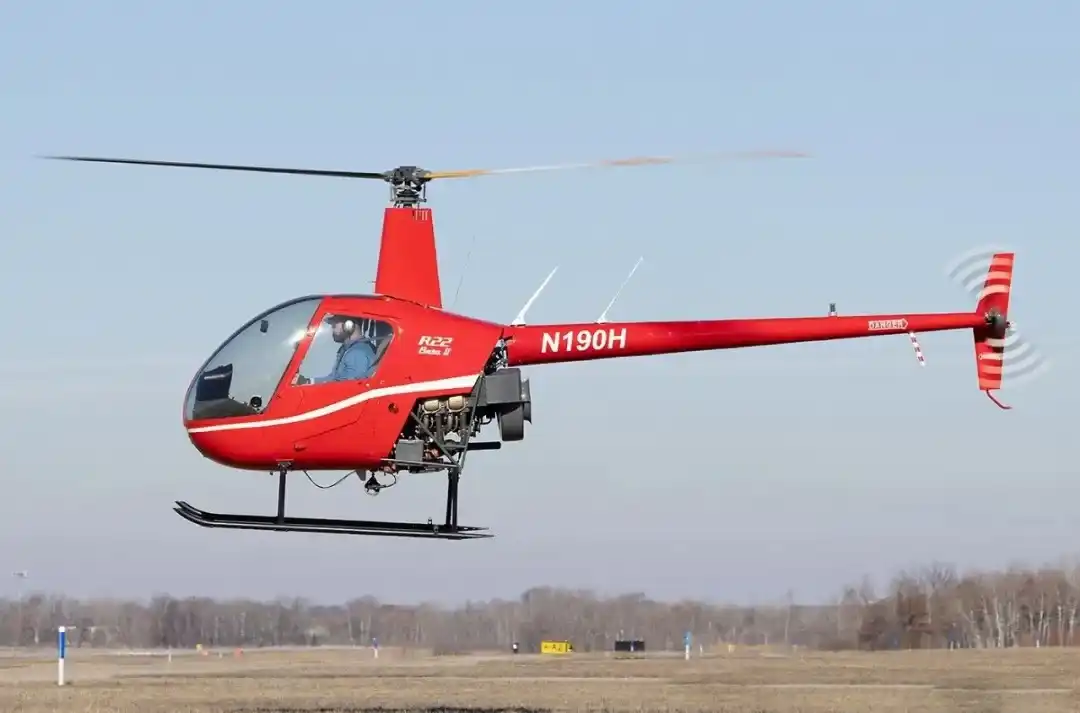
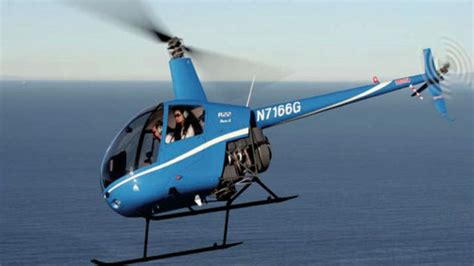
The structural core of the R22 is a welded chromoly steel frame, optimized for durability and torsional rigidity, while the outer skin uses a blend of fiberglass and aluminum to reduce weight without sacrificing integrity. This approach allows for an exceptional power-to-weight ratio, a key factor in light helicopter performance.
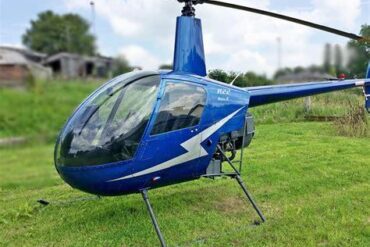
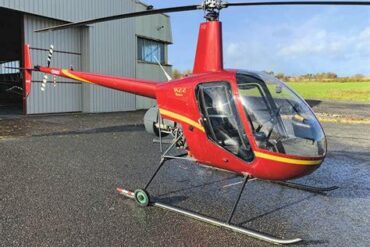
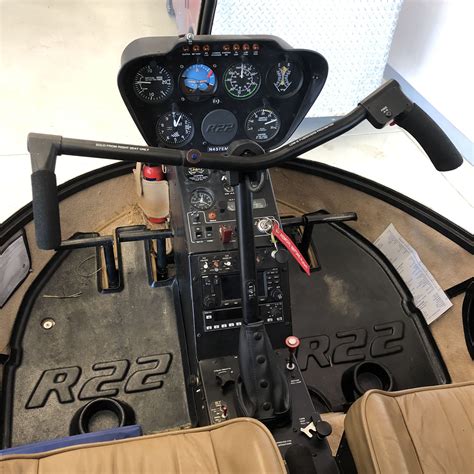
The forward cockpit is protected by a Plexiglas canopy, providing nearly unobstructed visibility — a critical feature for both training environments and aerial operations requiring precise visual coordination. Internally, the dual-control layout emphasizes simplicity and accessibility, reinforcing the R22’s status as a first-choice trainer for thousands of pilots worldwide.
Rotor System and Landing Gear
The R22 employs a semi-rigid two-bladed main rotor system mounted on a teetering hinge with coning hinges. This setup, though mechanically straightforward, significantly reduces vibration and mechanical complexity — features that contribute to the aircraft’s renowned ease of maintenance. Its tail rotor, also two-bladed, operates in a similarly efficient configuration, making the R22 responsive and agile, particularly at lower altitudes and speeds.
Landing gear is comprised of skid-type gear, designed for rugged, unprepared surfaces. The now-discontinued Mariner variant featured floats, allowing for water operations, albeit with a compromise in aerodynamic performance and payload capacity.
Powerplant and Flight Performance
Lycoming O-360-B2C Engine
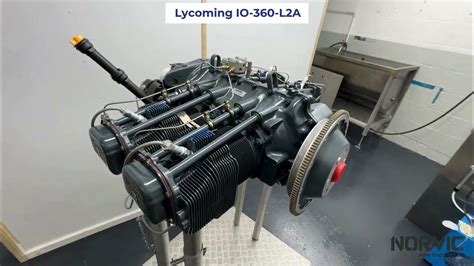
The heart of the Robinson R22 is the Lycoming O-360-B2C, a four-cylinder, air-cooled piston engine delivering 162 horsepower. This engine, while modest in raw output, provides ample thrust for the aircraft’s ultralight airframe. In standard configurations, it is derated for durability and high-altitude performance, especially in the Beta II variant.
The R22 reaches a maximum speed of 177 km/h, with an effective cruising range of 321 km. Its service ceiling sits at a respectable 4,267 meters, though actual operational altitudes tend to remain significantly lower for optimal engine efficiency and safety in light-class missions.
Operational Efficiency
With a current factory price (2024) of $375,000, the R22 remains one of the most cost-effective helicopters on the market. This figure stands in stark contrast to its original 1979 price of $33,850, yet it continues to offer industry-leading value. Operational costs hover around $189.87 per hour, factoring in fuel, routine maintenance, insurance, and engine/rotor overhaul reserves.
For aviation schools and private operators alike, this affordability is unmatched, allowing for greater fleet deployment and flight hour accumulation without excessive capital investment.
Multifaceted Applications
Training Helicopter of Choice
The R22’s role in pilot training is unparalleled. Flight schools from the United States to Australia rely on it for its intuitive controls, stable handling, and excellent field of view. Its light cyclic feel and quick response times serve as essential tools in preparing pilots for more advanced rotorcraft. Moreover, its FAA-required endorsement due to its low-inertia rotor system ensures a higher standard of training and pilot awareness.
Surveillance, Law Enforcement, and Media
In the realm of aerial surveillance, the R22 has been retrofitted with searchlights, infrared cameras, and communication relay systems, making it a practical platform for law enforcement, border patrol, and electronic news gathering. Several U.S. counties and Asian municipalities have integrated the R22 into their patrol fleets, citing its low noise footprint and economic fuel usage.
Agriculture and Utility Missions
In agriculture, the R22 performs livestock herding, pest control, and aerial survey tasks with precision. Its nimble flight characteristics make it especially valuable for power line inspection, pipeline monitoring, and light cargo transport. Its cost-efficiency allows operators to undertake daily operations at a fraction of the cost of larger turbine helicopters.
Adaptation into Modern Tech and Drones
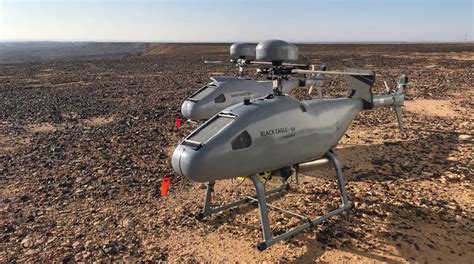
The versatility of the R22 platform has also extended into unmanned flight. Companies like UAVOS have transformed the R22 into a cargo drone, capable of carrying up to 180 kg over 1,020 kilometers. This has enabled applications in disaster relief, medical supply delivery, and remote logistics, particularly in humanitarian operations in Africa and Southeast Asia.
Global Expansion and Production Developments
In response to increasing demand, Robinson Helicopter Company established a production and sales base in Zibo, Shandong, China. This move aims to serve the Asian market more efficiently and marks a significant milestone in the company’s international strategy.
Such expansion not only lowers lead times for Asian clients but also signals the brand’s commitment to global support infrastructure and regional manufacturing scalability.
Accidents, Safety, and FAA Regulations
Safety Profile
The R22’s low-inertia rotor system requires exact handling during autorotation and power failures. To this end, the FAA mandates a special flight endorsement for R22 pilots, which has directly contributed to a decline in accident rates over the past two decades. When flown properly, the R22 has demonstrated mechanical reliability superior to its peers, with failures more often linked to pilot inexperience than airframe or powerplant defects.
Recent Incident: 2024 Philippines Crash
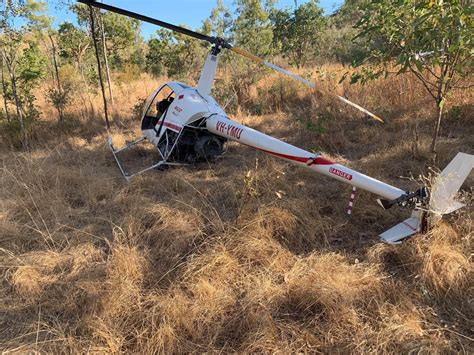
In early 2024, a tragic accident involving a Philippine Navy R22 occurred near Manila, resulting in the loss of two service members. Preliminary investigations suggested pilot error compounded by poor weather visibility, reinforcing the importance of rigorous flight protocol adherence, particularly in complex operational environments.
Model Evolution and Key Variants
The Robinson R22 has undergone incremental improvements through a series of variants, each designed to meet evolving market requirements and pilot feedback:
- R22 HP/Alpha/Beta: Early production series with minor upgrades in engine tuning, airframe refinements, and control harmonization.
- R22 Beta II: The most prominent and currently produced variant, featuring a more powerful engine, carburetor heat assist, and a standard governor for smoother throttle management.
- R22 Mariner: A specialized version with floatation gear for amphibious operations; discontinued due to niche demand and drag-related performance losses.
Each iteration of the R22 has preserved the original design ethos while integrating necessary improvements, ensuring the helicopter remains competitively relevant in a dynamic aviation landscape.
Legacy and Continued Relevance
More than four decades after its introduction, the Robinson R22 continues to embody the values of accessible flight, engineering simplicity, and mission flexibility. Its continued use in training schools, agricultural operations, law enforcement, and cutting-edge drone applications proves the enduring relevance of its platform.
As vertical aviation continues to evolve toward electric propulsion and autonomous navigation, the R22 stands as a symbol of mechanical purity, offering invaluable lessons in design discipline and operational efficiency.
FAQ: Robinson R22
What makes the Robinson R22 so popular for training purposes?
The R22’s lightweight structure, affordable operating cost, and responsive controls make it ideal for teaching students the core mechanics of helicopter flight. Its visibility and dual control system further enhance safety during instructional flights.
Is the Robinson R22 suitable for commercial operations?
Yes, it is commonly used in agriculture, law enforcement, surveillance, and light transport. However, it is limited by its payload capacity and two-seat configuration, making it ideal for low-intensity or precision operations.
How safe is the R22 for new pilots?
While mechanically reliable, the R22’s low rotor inertia requires specialized training. With proper instruction and certification, it has proven to be exceptionally safe when flown within its performance envelope and recommended procedures.