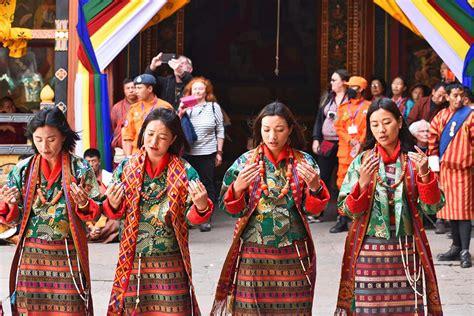
Tucked away in the Himalayan mountains, Bhutan is a place known for its breathtaking scenery, colorful local customs, and ancient Buddhist rituals. Recently, however, it has been reinventing itself as a player in adventure and music-based tourism. With its majestic mountains, serene monasteries, and rich cultural landmarks, Bhutan has developed new trends aimed at captivating thrill-seekers, outdoor enthusiasts, and music aficionados who value sustainability and culture while enjoying authentic experiences.
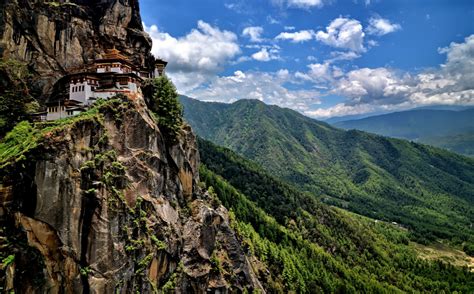
The Taktsang Monastery, more famously known as the Tiger’s Nest, remains one of Bhutan’s most iconic landmarks. Perched 3,120 meters above sea level, this sacred site is accessible through a steep and winding trail that offers breathtaking views of the surrounding valleys. The hike to the monastery is not merely a physical challenge; it is a spiritual experience that many travelers cherish. Typically, the trek takes five to seven hours for the 6.5 km round trip. The Prime Minister of Bhutan emphasizes that the journey transcends mere hiking; it serves as a pilgrimage for many, where every step resonates with the country’s spiritual essence.
Despite its deep-rooted spiritual significance, Bhutan is keen on attracting adventure tourists who seek more than just scenic walks. The kingdom has introduced a plethora of adventure activities, including mountain biking, which offers a delightful mix of stunning vistas and challenging terrains. For adrenaline junkies, rafting in the Punakha Valley, located about 70 kilometers from the capital city of Thimphu, provides exhilarating experiences amid nature’s grandeur. Furthermore, for those eager to immerse themselves in the wilderness, guided hikes to remote campsites have become increasingly popular. These expeditions promise solitude and authenticity, led by a team comprising a professional guide, cook, and camp assistant, ensuring travelers experience Bhutan’s natural beauty intimately and respectfully.
In a bid to bolster tourism, Bhutan is forging stronger connections with international markets. A significant milestone was reached in July 2024 when Chan Brothers Travel, a travel agency based in Singapore, signed a memorandum of understanding with Drukair, Bhutan’s national carrier. This agreement paves the way for 30 chartered direct flights to Bhutan between 2025 and 2026, making it easier for Singaporeans and other international visitors to explore the kingdom. Previously, Drukair operated only twice-weekly flights between Singapore and Bhutan; this new initiative stands to significantly enhance access, thereby stimulating growth in Bhutan’s tourism sector.
Bhutan has long been recognized for its unique approach to tourism, prioritizing sustainability and cultural preservation over mass tourism. This philosophy is reflected in the government’s decision to raise its Sustainable Development Fee (SDF) from USD 65 to USD 200 per day in 2022, although it was recently lowered to USD 100 per day in June 2023. The SDF is vital for funding environmental protection initiatives and ensuring the well-being of Bhutan’s population. Indian nationals benefit from a lower fee of 1,200 rupees per day and do not require a visa, making Bhutan an accessible destination for many regional travelers. The revenue generated from this fee plays a crucial role in supporting Bhutan’s infrastructure and preservation efforts, ensuring that future generations can appreciate its pristine landscapes and vibrant culture.
Bhutan’s tourism model embraces the “high value, low volume” approach, aiming to attract visitors who genuinely appreciate its offerings and wish to experience them in a tranquil environment. According to the Tourism Council of Bhutan, the country welcomed 145,065 visitors in 2024, marking a 41% increase compared to the previous year. However, Bhutan remains committed to keeping visitor numbers modest to avoid overcrowding at key tourist sites. The ambitious goal is to welcome 200,000 visitors in 2025, with aspirations to reach 300,000 by 2026, all while focusing on providing enriching experiences for both visitors and the local community.
In addition to adventure tourism, Bhutan is embracing music tourism, a sector that has gained considerable traction in recent years. In January 2024, British singer-songwriter Ed Sheeran made history as the first major international artist to perform in Bhutan during his Mathematics Tour. This landmark event took place at Thimphu’s Changlimithang Stadium and showcased Bhutan’s growing openness to hosting international events while maintaining its cultural integrity. The success of this concert has sparked discussions about future international acts, with plans underway to bring Canadian singer Bryan Adams to Bhutan in 2026. Bhutan’s engagement with music tourism dates back to 2017 when it hosted its inaugural K-pop festival. The burgeoning interest in this niche form of tourism promises unique experiences for music lovers and introduces the younger generation to global culture while respecting Bhutan’s traditions.
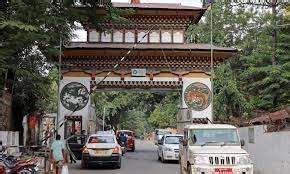
Despite its gradual steps toward modernization, Bhutan has managed to preserve a unique identity that distinguishes it from other destinations. The capital city of Thimphu, for instance, is far from a bustling metropolis; its skyline is dominated by low-rise buildings, and traditional Bhutanese architecture is evident in every structure, from hotels to hospitals. Foreign brands are minimal, with only a few international names like Adidas and Samsung present. Fast-food chains like McDonald’s and Starbucks have yet to set foot in Bhutan, much to the delight of locals who appreciate their homegrown alternatives. For example, Bhutan Mountain Coffee has become a popular coffeehouse chain, attracting interest from countries like Thailand and Singapore. This distinctiveness is something travelers greatly appreciate, with many commenting on Bhutan’s ability to maintain its unique character, offering a refreshing change from the globalized landscapes of other countries. The absence of commercialized chains is viewed not as a deprivation but rather as a testament to Bhutan’s commitment to preserving its rich heritage.
As Bhutan continues to navigate the challenges posed by the COVID-19 pandemic, the nation grapples with the economic fallout that caused a significant decline in tourist numbers. In 2024, Bhutan recorded approximately 145,000 visitors, a remarkable recovery from the preceding year. Tourism, traditionally one of the main drivers of the Bhutanese economy alongside hydropower, is set to take the lead in steering the post-pandemic recovery. Bhutan is now eyeing an even more ambitious target of welcoming 300,000 tourists by 2026, while still adhering to its measured approach to tourism that ensures authenticity and immersive experiences.
Travelers venturing into this Himalayan kingdom are encouraged to focus on its extraordinary scenery, ancient culture, and emerging adventure and music tourism scene. They are urged to engage sensitively with local customs, embracing the reverence that Bhutan expresses for its commitment to sustainability and the preservation of its unique identity.