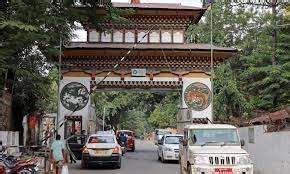
As Bhutan and Assam forge a new path in cross-border tourism, they are set to unveil an ambitious plan aimed at showcasing the hidden gems of the Eastern Himalayas. This initiative is not just about promoting travel; it embodies a vision of collaboration that seeks to transform the tourism landscape of both regions, capitalizing on their unique cultural and natural assets. In recent discussions held in Samdrup Jongkhar, Bhutan, tourism stakeholders from both regions gathered to strategize on how to enhance travel experiences across the border. This meeting was part of the 15th annual convention of the Tour Operators Association of Assam, emphasizing the importance of collaborative efforts in tourism development.
The gathering, which included approximately 100 members from the Assam association along with Bhutanese tour operators and government officials, marked a significant step towards strengthening bilateral ties. The conversations were centered on positioning Bhutan’s eastern region as an attractive destination for Indian tourists, particularly those from Assam. Given the largely untapped potential of this area, stakeholders recognized the need for developing smoother travel routes and better accessibility to encourage cross-border tourism.
Exploring the Eastern Circuit
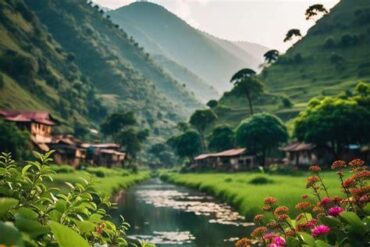
The eastern circuit of Bhutan has long remained overshadowed by its more famous western counterparts, including Thimphu and Paro. However, this pristine region offers a wealth of experiences that can captivate any traveler seeking adventure, culture, and tranquility. From the serene landscapes of Trashigang to the vibrant culture of Mongar, the eastern circuit is rich in biodiversity, traditional crafts, and historical significance.
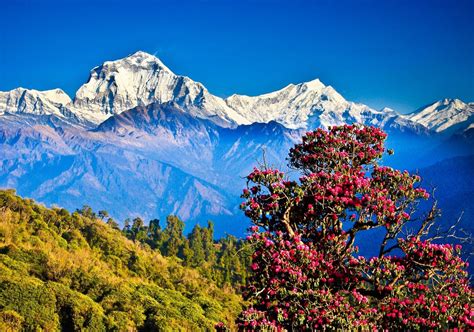
Travelers can explore the majestic Kichu Lhakhang, one of Bhutan’s oldest temples, or take part in local festivals that showcase traditional music, dance, and cuisine. The region is also home to some of the country’s most stunning hiking trails, including the Druk Path Trek, which offers panoramic views of the majestic Himalayas.
A Sustainable Approach to Tourism
Both Bhutan and Assam are committed to promoting sustainable tourism practices that protect their unique environments while fostering economic growth. As part of this initiative, there will be a focus on environmental conservation, aligning with the National Mission for Green India that aims to restore degraded ecosystems across key mountainous areas, including the Himalayas. This mission emphasizes reforestation, ecological restoration, and sustainable agricultural practices, addressing the pressing challenges posed by climate change and environmental degradation.
The Indian government’s renewed focus on environmental sustainability is crucial for the Himalayan region, where deforestation and soil erosion threaten the delicate ecological balance. By introducing initiatives that promote the cultivation of indigenous species and sustainable farming methods, Bhutan and Assam aim to ensure that tourism does not come at the expense of their natural heritage.
Strengthening Cross-Border Ties
The partnership between Bhutan and Assam is not merely a tactical move; it represents a deeper commitment to enhancing cultural exchange and mutual understanding. By working together, both regions can offer a more enriching experience for travelers, blending Bhutan’s spiritual heritage with Assam’s vibrant traditions. This synergy can lead to increased tourist flows, benefiting local communities economically while preserving their cultural identity.
During the convention, the Tea Break newsletter was launched, highlighting various tourism opportunities between the two regions. This publication serves as a platform for sharing insights, success stories, and strategies to further enhance the tourism experience. It underscores the importance of collaborative marketing efforts, ensuring that potential tourists are aware of the incredible offerings available in both destinations.

Future Prospects for Tourism
Looking ahead, the potential for growth in cross-border tourism between Assam and Bhutan is immense. With the right strategies in place, both regions can establish themselves as key players in the tourism industry. This could include promoting joint travel packages, cultural exchange programs, and infrastructure improvements that facilitate easier access to popular destinations.
Moreover, leveraging digital platforms to market these experiences will play a crucial role in attracting a diverse range of travelers. Social media campaigns, influencer partnerships, and virtual tours can effectively showcase the unique offerings of Bhutan and Assam, reaching audiences far beyond their geographical boundaries.
The upcoming years may witness a transformation in how tourists perceive and experience the Eastern Himalayas. As Bhutan and Assam continue to collaborate, their shared vision of sustainable tourism and cultural exchange will undoubtedly create a vibrant and thriving tourism corridor that benefits both regions.
Conclusion: A Vision for Sustainable Growth
In conclusion, the partnership between Bhutan and Assam marks a significant milestone in the realm of cross-border tourism. By spotlighting the hidden gems of the Eastern Himalayas, both regions are poised to attract a new wave of travelers eager for authentic experiences. This initiative not only enhances the economic prospects of both regions but also fosters a deeper appreciation for their rich cultural and natural heritage.
As both governments and tourism stakeholders work hand in hand, the future looks promising. With sustainable practices at the forefront, Bhutan and Assam are ready to welcome visitors to discover the beauty and diversity of the Eastern Himalayas, paving the way for a brighter, greener future in tourism.