The Blue Ridge Parkway, celebrated for its breathtaking landscapes and rich biodiversity, has officially reopened following the extensive damage inflicted by Hurricane Helene in 2024. This iconic roadway, which stretches an impressive 469 miles through the picturesque regions of North Carolina and Virginia, is not just a pathway; it’s a journey through some of the most stunning vistas in the United States. With millions flocking to this scenic route each year, the reopening is a significant milestone for both tourists and the local communities that thrive on parkway traffic.
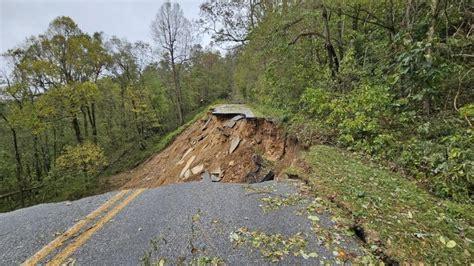
In 2024, Hurricane Helene unleashed catastrophic weather conditions across the southeastern United States, resulting in over 250 fatalities and damages totaling nearly $80 billion. The Blue Ridge Parkway was notably affected, with its natural beauty marred by heavy rainfall and powerful winds reaching speeds of up to 100 mph. The hurricane’s aftermath led to numerous landslides, road blockages, and infrastructure damage, fundamentally altering the parkway’s accessibility and safety.
What Happened to the Parkway?
The impact of Hurricane Helene was profound, with the Blue Ridge Parkway suffering substantial destruction. Key incidents included:
- 57 landslides, predominantly affecting the North Carolina section of the parkway.
- The Linville Falls Visitor Center was devastated, requiring extensive repairs.
- Various road sections and campgrounds sustained significant damage, leading to closures that would last for months.
Despite these challenges, the National Park Service (NPS) has worked tirelessly to restore the parkway. Their commitment is evident, although they face hurdles such as budget constraints and staffing shortages. The restoration efforts are ongoing, and while many sections have reopened, others remain closed as repairs continue.
Current Status of the Blue Ridge Parkway
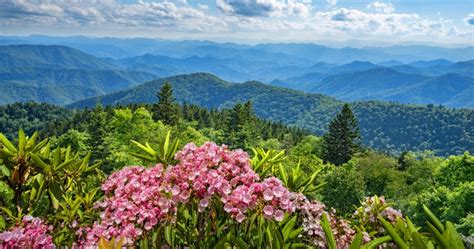
As of 2025, much of the Blue Ridge Parkway is now accessible, offering travelers the chance to experience its iconic scenery once again. However, the hurricane’s effects still linger, and several areas remain off-limits. Here’s a breakdown of the current status:
- Open: Nearly 400 miles of the parkway, including the entire Virginia side, are open for exploration.
- Closed: Over 80 miles of the North Carolina section remain closed, particularly around Mount Mitchell State Park, which is home to the highest peak east of the Mississippi River.
- Campgrounds: Several campgrounds have reopened, but some are still closed indefinitely due to the extensive damage caused by the hurricane.
Visitor Detours and Local Communities
While certain segments of the Blue Ridge Parkway are inaccessible, the NPS has implemented alternative routes for visitors. These detours allow travelers to navigate around the closed sections while still enjoying the breathtaking landscapes characteristic of the area. A notable detour runs from east of Boone, NC, to Cumberland Knob, near the Virginia state line. This route offers scenic views and access to local attractions, providing a well-rounded experience even when parts of the parkway are unavailable.
Local communities along the parkway are eagerly welcoming visitors back, especially after the storm disrupted last year’s popular leaf-peeping season. As Kitty Honeycutt, executive director of the Ashe County Chamber of Commerce, stated, “The communities along the parkway are eager to show visitors what they have to offer, and it’s a great opportunity to discover local attractions.” This sentiment highlights the importance of supporting local businesses during recovery.
What’s Open, What’s Closed
For those planning a visit to the Blue Ridge Parkway, staying informed about road closures is essential. The National Park Service updates its list of closures regularly to keep travelers informed about the latest conditions. Here’s a concise overview:
- Open: Most of the Virginia side and many parts of the North Carolina side.
- Closed: Mount Mitchell State Park, specific road sections in North Carolina, and some campgrounds.
- Reopened: Several campgrounds and road sections are now open, with more expected to follow in the coming months as recovery efforts progress.
Nearby Attractions for Visitors
Even with certain sections of the Blue Ridge Parkway closed, there are many nearby attractions that visitors can explore. These spots offer an excellent opportunity to experience the region’s natural beauty without straying too far from the parkway. Some noteworthy alternatives include:
- Moses H. Cone Memorial Park: This historic 3,500-acre estate features a network of hiking trails and stunning panoramic views of the surrounding mountains.
- Orchard at Altapass: A charming apple orchard where visitors can enjoy fresh apples while taking in the tranquil surroundings.
These destinations are perfect for travelers seeking to enjoy the area’s beauty while navigating around the disruptions caused by Hurricane Helene.
What’s Next for the Parkway?
Looking ahead, the National Park Service is dedicated to repairing the Blue Ridge Parkway, but full recovery will take time. Some sections may remain closed for several months or even years. The NPS is optimistic that more areas will reopen by summer or fall, allowing visitors to return to their favorite viewpoints and trails. To stay informed about the latest updates on road closures and reopening schedules, travelers are encouraged to check the NPS’s official resources regularly.
While the road to complete recovery may be long, the enduring beauty of the Blue Ridge Parkway remains intact, ready to captivate new visitors and returning fans alike.
Conclusion: Is the Blue Ridge Parkway Still Worth Visiting?
Despite the challenges posed by Hurricane Helene, the Blue Ridge Parkway continues to stand as a breathtaking destination for travelers. With much of the parkway open and more areas set to reopen soon, visitors can still revel in the parkway’s iconic vistas and natural splendor. The National Park Service remains committed to restoring this treasured route, ensuring that the scenic views and charming surroundings endure for generations to come. For anyone considering a trip, checking for updates on road closures and exploring the surrounding attractions is essential as the parkway continues its recovery journey.