As the global travel landscape evolves, Brazil and Azerbaijan are stepping into the spotlight by legalizing casino tourism—a strategy that has already proven its worth in countries like the United States, Singapore, Thailand, South Africa, Cyprus, and the Netherlands. This move aims to diversify their economies and attract high-spending visitors, with a keen focus on boosting national revenue through enhanced tourism offerings.
Brazil Eyes Casino Resorts to Reinvent Its Tourism Future
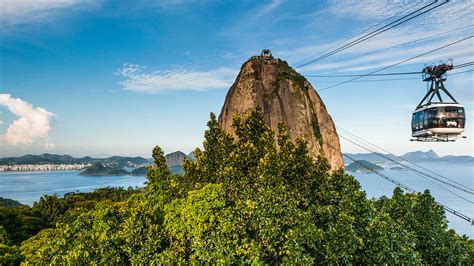
With an extensive coastline and a reputation that echoes worldwide, Brazil is now actively pursuing the legalization of casino operations for the first time in decades. Proposed legislation seeks to introduce integrated resort casinos in major urban centers such as Rio de Janeiro and São Paulo, while also considering prime tourist hotspots like Foz do Iguaçu and the Amazon region. These casino resorts are envisioned as more than mere gambling establishments; they aim to serve as anchors for large-scale developments featuring luxurious hotels, expansive convention centers, a variety of restaurants, and diverse entertainment attractions.
For Brazil, the implications of casino tourism extend far beyond the immediate financial gains from gaming revenue. The government anticipates job creation and foreign investment influxes, particularly in underdeveloped regions. By diversifying its tourism portfolio, Brazil hopes to reshape its global image—moving beyond its traditional allure of sun-soaked beaches and vibrant football culture. The goal is to position Brazil as a premium destination within South America’s high-end travel circuit, attracting tourists who might otherwise flock to Uruguay, Argentina, or the Caribbean for similar experiences.
Azerbaijan Targets the Caspian Coast as a New Luxury Gaming Zone
On the other side of the globe, Azerbaijan is meticulously crafting its own casino tourism narrative. With tourism steadily increasing and non-oil sectors gaining precedence, the Azerbaijani government is exploring legislation to permit casinos in designated tourism zones. A significant focus is being placed on Sea Breeze, an artificial resort development near Baku, poised to become the country’s first legal gaming enclave.
This strategic initiative stems from Azerbaijan’s current economic reality. The nation loses millions annually as its citizens cross borders to gamble in neighboring countries like Georgia and Kazakhstan. In 2024 alone, Georgia’s casino sector generated approximately $28 billion, with a notable 20 percent of that revenue attributed to Azerbaijani players. By localizing casino operations, Azerbaijan aims to stem capital flight, enhance tax revenues, and attract affluent tourists from Russia, Türkiye, Iran, the Gulf, and Central Asia. Moreover, the government plans to maintain stringent regulations surrounding casino licenses, which will require an annual fee of around 340,000 manats (approximately $200,000 USD) to ensure that only premium, internationally aligned operators enter the market.
How the US, Singapore, and Thailand Set the Global Benchmark
Few nations exemplify the potential of casino tourism as effectively as the United States. Las Vegas, often referred to as the gambling capital of the world, accounts for over $70 billion in economic activity each year. With its integrated resorts blending gaming, entertainment, shopping, and nightlife, Las Vegas continues to set the benchmark for casino tourism. Not far behind, Atlantic City, Reno, and numerous tribal casinos across the U.S. make substantial contributions to their local economies as well.
Singapore offers another compelling success story. Since the opening of Marina Bay Sands and Resorts World Sentosa in 2010, the city-state has witnessed a remarkable surge in tourism revenue and global brand recognition. The casino resorts there serve not only as gambling venues but also as anchors for world-class attractions, including luxury shopping malls, Michelin-starred dining, and family-friendly entertainment. Singapore’s successful model has inspired other nations to replicate its approach to casino tourism.
Meanwhile, Thailand is on the brink of legalizing casino resorts, with expectations that integrated resorts in Bangkok, Phuket, and Pattaya could generate up to $9.1 billion in gross gaming revenue. This strategic move is projected to solidify Thailand’s status as Southeast Asia’s most diverse tourist destination, appealing to both mass-market and high-end travelers.
South Africa: Africa’s Casino Powerhouse
Among African nations, South Africa was one of the pioneers in recognizing the vast potential of casino tourism. The iconic Rio Casino Resort in Klerksdorp ranks among the largest in the Southern Hemisphere, while Sun International’s Sun City continues to draw international tourists seeking a blend of gaming, safaris, and luxurious leisure experiences. South Africa has skillfully integrated its gaming operations into a broader hospitality and entertainment framework. The country’s model emphasizes strict regulation to combat illegal gambling and protect consumers, ensuring that casino tourism supports thousands of jobs and significantly contributes to tax revenues, particularly in regions beyond major urban centers.
Cyprus: A New Player with Big Results
In 2023, Cyprus made headlines by launching Europe’s first integrated resort casino: City of Dreams Mediterranean in Limassol. This monumental development, costing $550 million, boasts luxury accommodations, fine dining options, entertainment venues, and Europe’s largest casino floor. The overarching goal is to attract international visitors year-round and extend Cyprus’s appeal beyond the conventional summer season. Early results have been promising, with the resort creating thousands of jobs and boosting tourism during off-peak months. Cyprus’s strategic geographical location, nestled between Europe, the Middle East, and North Africa, provides it with a competitive edge in attracting affluent travelers from multiple regions.
Netherlands: Boutique Casino Tourism with Urban Appeal
The Netherlands has adopted a boutique, urban approach to casino tourism, integrating establishments like Holland Casino Amsterdam, Rotterdam, and Utrecht into the cultural and nightlife fabric of the country. These government-regulated casinos cater to both tourists and locals, providing a safe and controlled environment for gaming alongside live performances, music, and gourmet dining experiences. Rather than sprawling resort-style casinos, the Netherlands has successfully woven gaming into city-center entertainment zones, generating economic value while maintaining a low profile in residential and heritage areas. This model demonstrates how even compact countries can reap the benefits of casino tourism without compromising their urban identities.
Why Casino Tourism Is a Winning Strategy Now
The global casino market is currently flourishing, valued at $580 billion in 2024 and projected to reach $745 billion by 2028. For nations like Brazil and Azerbaijan, entering this lucrative market has become a competitive necessity. Without a stake in the gaming tourism sector, they risk missing out on billions in visitor spending, tax revenue, and foreign investment. Casinos not only attract high rollers but also stabilize tourism across various seasons, generating year-round employment opportunities and fueling complementary sectors such as real estate, transportation, retail, and entertainment.
When thoughtfully designed, casino tourism enhances national branding, transforming a country’s image from niche to premium. By turning towards casino tourism, Brazil and Azerbaijan aim to diversify their economies and attract affluent travelers, following in the footsteps of the U.S., Singapore, Thailand, South Africa, Cyprus, and the Netherlands, where legalized gaming has become a proven catalyst for tourism growth.
The Road Ahead: Smart Regulation and Sustainable Growth
What truly makes casino tourism a “winning strategy” is the delicate balance between opportunity and control. Countries venturing into this arena must implement robust regulatory frameworks to avert the social pitfalls associated with unregulated gambling. Both Brazil and Azerbaijan appear committed to this path, favoring exclusive licensing, geographic zoning, and stringent operational oversight. When executed correctly, casino tourism can emerge as a cornerstone of a modernized tourism portfolio—one that fosters prosperity without compromising societal values. As nations like South Africa, Singapore, and Cyprus continue to enjoy the rewards, Brazil and Azerbaijan stand poised to join the table, ready to play their hand in the next transformative chapter of global tourism.