Drone-assisted solutions are reshaping the way commercial property maintenance is approached, offering unparalleled efficiency, safety, and sustainability. As urban skylines grow taller and architectural designs become more complex, maintaining building exteriors using traditional methods has become increasingly difficult, costly, and risky. In response to these challenges, drone technology is emerging as a transformative force that redefines industry standards and sets a new benchmark for operational excellence.
The Technological Shift in Exterior Maintenance
Over the last decade, innovation in robotics and aerial systems has soared, with drones taking the spotlight in various commercial applications. According to recent investment data, the robotics industry has attracted nearly $6 billion in equity investment, a significant share of which is directed toward commercial infrastructure solutions. One standout application is drone-enabled cleaning and inspection for high-rise and complex buildings.
Commercial properties—particularly historic landmarks, luxury residential towers, and healthcare facilities—have traditionally relied on cumbersome maintenance strategies involving scaffolding, boom lifts, and labor-intensive processes. These methods not only introduce delays and high costs, but also pose significant safety risks to workers and disruption to occupants. Drone systems solve these issues with speed and precision, executing tasks that once took weeks in mere hours.
How Cleaning Drones Work: Precision Meets Performance
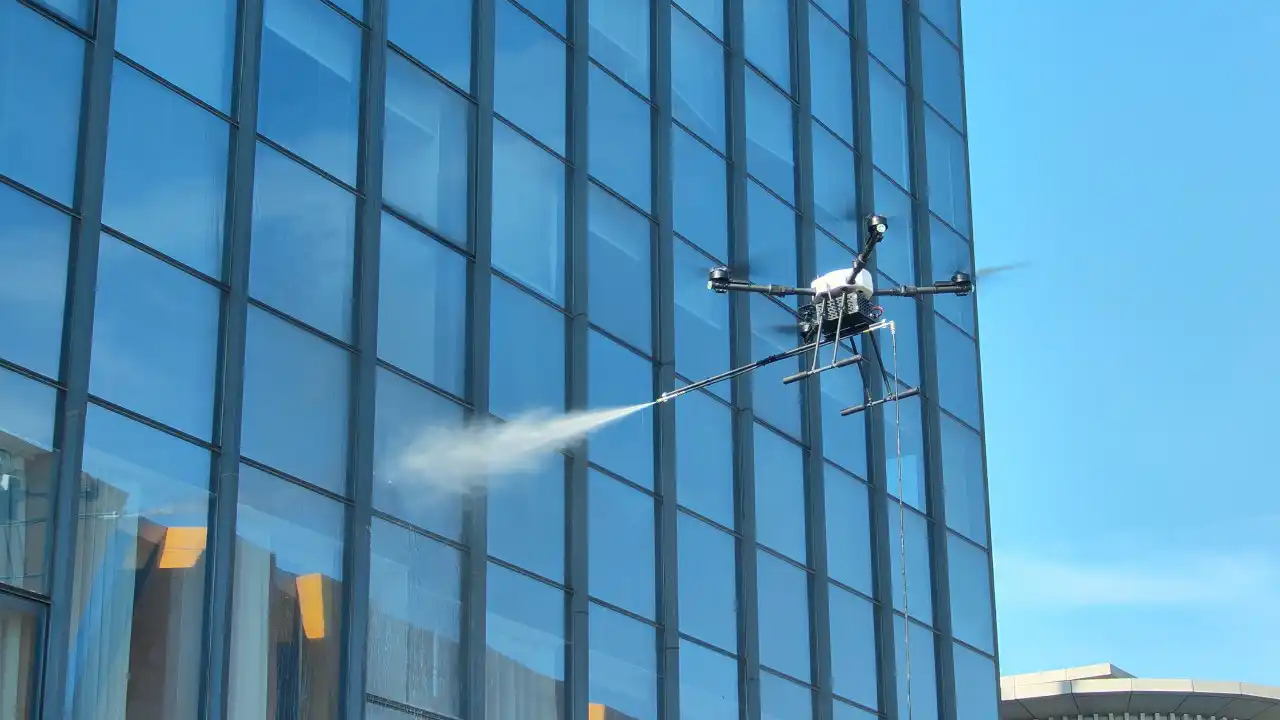
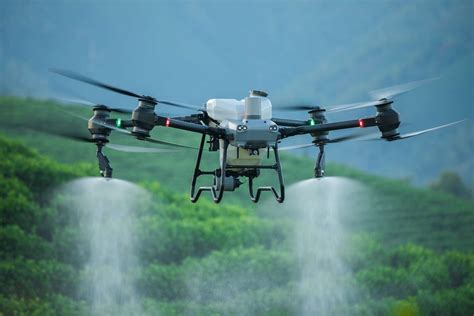
Modern cleaning drones are equipped with high-pressure, low-impact spray systems that effectively clean without damaging sensitive surfaces. These systems are controlled remotely by certified technicians and enhanced with GPS-based navigation, gyroscopic stabilization, and live video feedback. Operators can either preset cleaning paths or manually direct drones to focus on stubborn stains or intricate architectural features.
What sets drone technology apart is its ability to clean using heated, purified water or eco-conscious detergents, significantly reducing the environmental footprint of commercial maintenance. By eliminating the need for abrasive chemicals and using water more efficiently, drones support sustainability goals without compromising results.
Drone deployment also avoids extensive staging and mobilization time. Traditional cleaning methods might require days of setup, road closures, or tenant notice periods. In contrast, drones can be operational within hours, making them ideal for properties that demand discreet and fast turnaround.
Enhanced Safety and Privacy Compliance
One of the most compelling benefits of drone maintenance is the mitigation of occupational hazards. Exterior cleaning tasks performed at height have long been associated with fall risks, insurance liabilities, and regulatory scrutiny. By removing the human element from high-risk environments, drones drastically reduce the possibility of injury.
Moreover, drones designed for cleaning purposes are not surveillance tools. They lack cameras capable of peering into buildings, which addresses privacy concerns—a significant consideration for residential, medical, and educational institutions. The technology respects both human safety and occupant privacy while delivering efficient results.
Economic and Operational Efficiency
The economic advantages of drone-assisted cleaning are substantial. Traditional methods require multiple workers, specialized gear, and significant downtime. Drone systems, in contrast, allow a single technician to clean large vertical surfaces, streamlining labor costs and reducing operational disruptions. The savings in time, equipment, and insurance premiums can be significant.
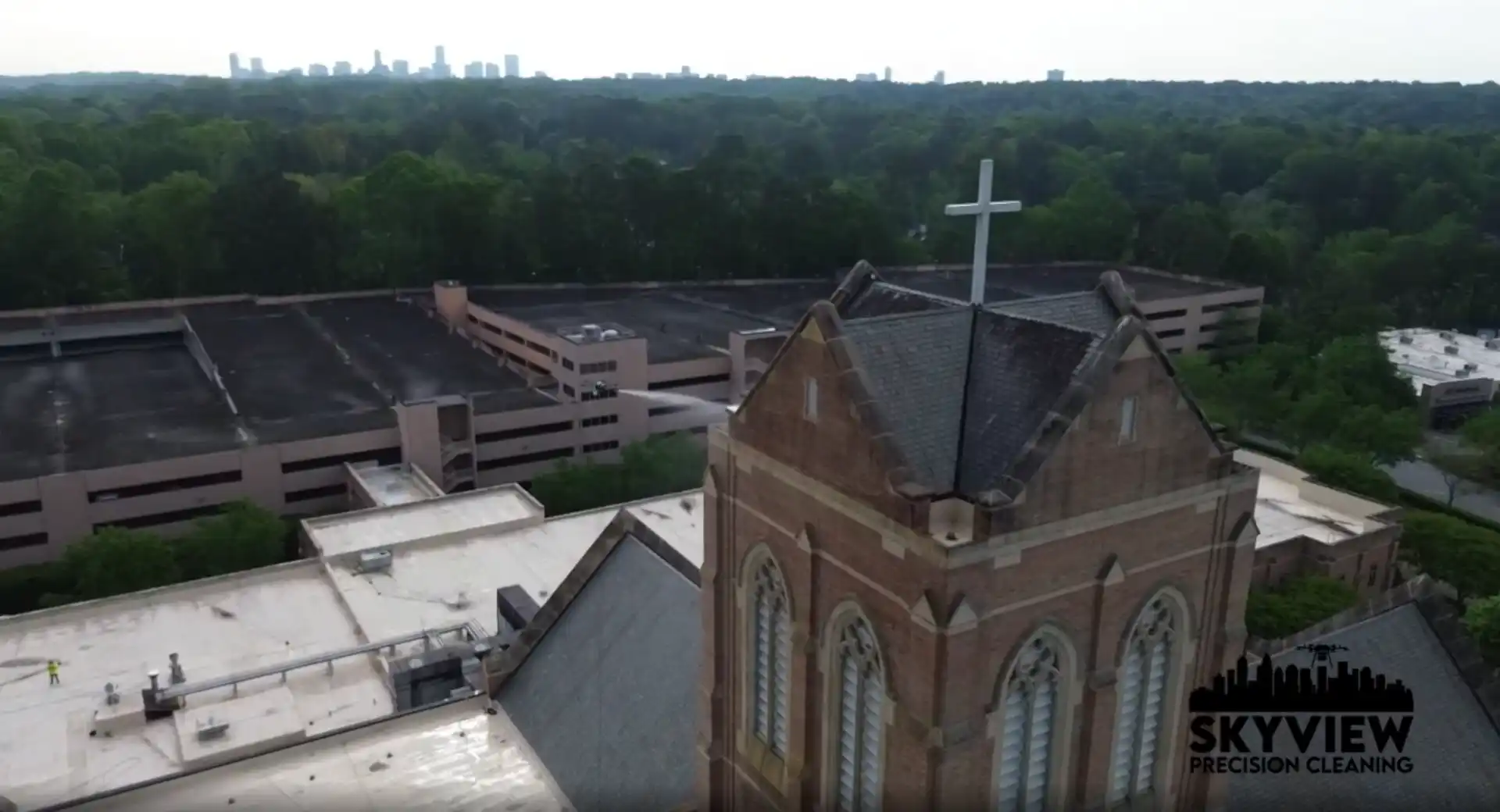
Consider the case of a historic church in Atlanta, where ornate stonework and steep rooftops made scaffolding prohibitively expensive and complex. By deploying a drone system, the property management team achieved a full exterior cleaning at a fraction of the time and cost—while preserving delicate limestone and brick materials.
The Future of Window Cleaning: Drones at Work
Window cleaning for commercial skyscrapers has historically been a hazardous and labor-intensive task. Drones revolutionize this process by gliding from window to window, bypassing the need for scaffolding, swing stages, or rope access systems. Operated from the ground, these drones are capable of producing streak-free results using advanced nozzles and high-purity heated water.
To enhance performance at lower levels or intricate architectural details, drone cleaning is often paired with water-fed pole systems. These telescopic tools manage window sills and moldings, complementing the drone’s capabilities. Together, these methods ensure a thorough and consistent clean across the entire building façade.
Sustainability: Beyond Efficiency
As environmental compliance and green building certifications grow in relevance, drone-assisted maintenance aligns perfectly with sustainable building strategies. Unlike traditional pressure washing, drone systems are designed to optimize water usage, often consuming up to 80% less water than conventional methods.
Additionally, the minimized use of scaffolding, aerial lifts, and fossil fuel-powered equipment contributes to reduced carbon emissions. These factors make drone cleaning not only an efficient solution but also a responsible one, particularly for properties pursuing LEED or WELL Building Standard certifications.
Integration with Smart Building Systems
Drone technology is also becoming a critical tool in the era of smart buildings. Integration with building information modeling (BIM), asset management systems, and IoT devices enables facility managers to coordinate maintenance schedules, track performance, and access real-time data from drone operations.
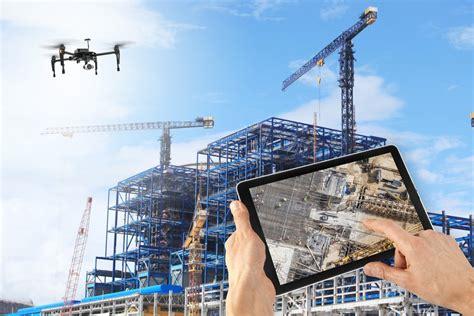
This interoperability opens up possibilities for predictive maintenance, where drones not only clean but also inspect and diagnose façade conditions. Drones can detect cracks, corrosion, or discoloration on surfaces, transmitting high-resolution images for early intervention and structural preservation. In the long term, this proactive approach reduces repair costs and enhances asset value.
A Glimpse Into the Industry’s Evolution
The trajectory of drone innovation in commercial maintenance suggests a future where autonomous, AI-powered drones might perform inspections, cleaning, and repairs without human input. Already, some startups are developing prototypes capable of switching cleaning modules or docking to recharge stations autonomously. As regulatory frameworks adapt and the technology matures, drones will become as routine in building maintenance as HVAC systems or elevators.
Companies like Rolling Suds are already leading this transformation, offering scalable drone-based maintenance services tailored for modern infrastructure. Their deployments underscore the reliability and versatility of drone systems across a spectrum of property types, from retail and office towers to religious institutions and healthcare campuses.
Conclusion: A Cleaner, Safer, Smarter Tomorrow
Drone technology is not a fleeting trend—it’s the future of commercial property maintenance. It addresses the pressing needs of modern facility management: safety, cost-efficiency, sustainability, and operational agility. As more stakeholders witness the clear benefits of aerial maintenance solutions, adoption will accelerate and reshape how we care for the built environment.
By embracing drone-assisted systems, property managers are not just cleaning buildings—they’re future-proofing their assets. With every mission launched and every façade restored, drones demonstrate that the sky is not the limit—it’s just the beginning.