
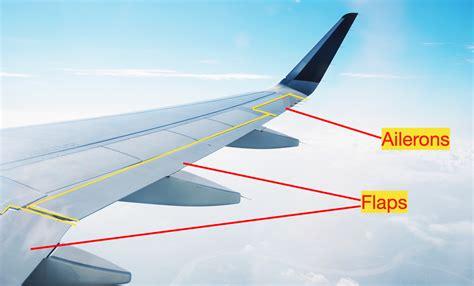
Flaperons are unique flight control surfaces found on some aircraft. They combine the functions of flaps and ailerons. When a pilot wants to roll the plane, they use the control wheel or stick, and the flaperons respond just like traditional ailerons. What makes flaperons special is their ability to lower symmetrically, acting like flaps to increase lift during slower speeds. The controls for adjusting flaperons are different from those for ailerons, allowing for precise handling. A mixer is built into the system to blend these controls effectively.
Using flaperons can make an aircraft lighter because there’s no need for separate flaps and ailerons. They are usually positioned well away from the wing’s trailing edge. This placement helps maintain smooth airflow, especially during low speeds or steep angles of attack. Such features help improve low-speed handling and reduce stall speeds.
Flaperons were first seen in various World War II designs, like the Junkers Ju87 Stuka dive bomber. Nowadays, their use is mainly in light and experimental aircraft, often homebuilt by enthusiasts. Notably, the V-22 Osprey tilt-rotor aircraft also utilizes flaperons in its design.