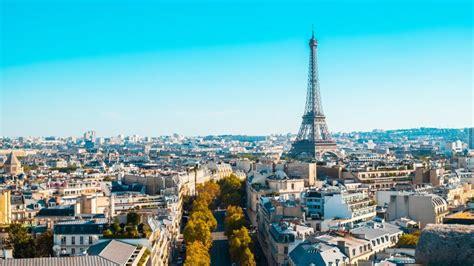
France has established a new worldwide Travel & Tourism benchmark by adding more than €266.2 billion to its national GDP in 2024 through exceptional visitor spending growth, solid job creation, and the long-term success of its cultural assets. This spike is a direct result of France’s status as the most visited destination worldwide as well as its visionary investments in infrastructure, regional tourist development, and sustainable initiatives. With even more gains predicted through 2025, France is simultaneously holding its ground at the top of the worldwide tourist scene and shaping its future through long-term strategizing and innovation.
2024: A Landmark Year for France’s Travel & Tourism Sector
In 2024, France’s Travel & Tourism sector registered a record-breaking performance across multiple indicators, setting new benchmarks that reflect its resilience and global appeal. Based on in-depth analysis by the World Travel & Tourism Council (WTTC) in collaboration with Oxford Economics, France’s tourism industry added an impressive €266.2 billion to the nation’s economic output. This figure represents a 10.1% increase compared to pre-pandemic levels in 2019 and accounts for 9.1% of the country’s gross domestic product (GDP). This growth was accompanied by a robust rise in employment, with the sector now supporting approximately three million jobs. This marks an increase of 300,000 jobs since 2019 and signifies that Travel & Tourism now comprises a major segment of France’s workforce. The employment boost further validates tourism’s vital role in regional and national economic development.
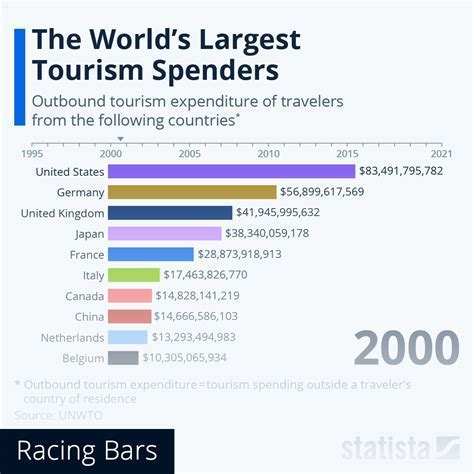
Equally significant were the gains in visitor spending. International visitors spent €72.5 billion in France throughout 2024, while domestic travelers contributed €142.1 billion. These represent year-over-year growth of 7.1% and 5.7%, respectively. The combined result demonstrates strong demand from both global tourists and French citizens, showcasing the wide-reaching appeal of domestic destinations alongside international favorites.
Momentum into 2025: Strong Growth Forecast Continues
Looking ahead to 2025, France’s Travel & Tourism sector is expected to extend its upward climb. Projections show that France’s Travel & Tourism sector is on track to deliver around €274.2 billion in 2025, elevating its share of the national economy to nearly 9.3%. This continued growth underscores the sector’s foundational importance in France’s broader economic narrative. Job creation is also forecasted to rise, with expectations that the sector will employ 3.1 million individuals in 2025. This represents nearly one in ten jobs in France, underlining tourism’s importance not just in cities like Paris, Lyon, and Nice, but across regional hubs such as Provence, Normandy, and the Dordogne Valley.
Spending trends are expected to mirror the economic and employment projections. Spending by international travelers is expected to rise to €75.1 billion, while domestic tourism expenditure is forecast to grow to approximately €144.2 billion, reflecting strong demand across both segments of France’s travel economy. These gains reflect ongoing consumer confidence and the global appeal of France’s tourism offerings—from its art-rich cities and historic châteaux to coastal retreats and alpine adventures.
Drivers Behind France’s Sustained Tourism Boom
France’s sustained rise in the Travel & Tourism industry stems from a combination of well-executed national strategies, diverse attractions, and long-term economic planning. The nation’s world-renowned cultural institutions, gastronomic traditions, and scenic diversity make it a perennial favorite for global travelers. In addition to natural and cultural endowments, robust transportation infrastructure—spanning high-speed rail, regional airports, and efficient urban networks—ensures accessibility across the country.
Government support has also played a central role. Through policy incentives, infrastructure funding, and international marketing campaigns, public authorities have helped reinforce France’s attractiveness to both leisure and business travelers. Importantly, France’s ability to host high-profile events continues to elevate its tourism status. The successful organization of major international gatherings—including the Olympic and Paralympic Games—has further solidified France’s image as a premium global destination, capable of welcoming millions of visitors while maintaining operational excellence.
France’s Role in Shaping Tourism Trends Across Europe and the Global Market
The strength of France’s Travel & Tourism sector stands out even more when viewed in a European and international context. In 2024, the European Union’s tourism sector generated close to €1.8 trillion in economic output, representing more than one-tenth of the region’s total gross domestic product, according to data released by the WTTC. France, as a top contributor within this framework, continues to set the standard for performance and resilience. In 2025, the EU’s tourism sector is expected to reach nearly €1.9 trillion, with employment climbing to 25.7 million—around 12% of the total workforce. France remains the undisputed leader in this arena, offering a model of integrated tourism development that balances economic growth with environmental and cultural sustainability.
France’s dominance on the global tourism stage is also underscored by its consistent ranking as the world’s most visited country. This standing reflects a sophisticated ecosystem of attractions, services, and policies that enable high-volume tourism without sacrificing quality or authenticity.
Long-Term Outlook: Growth, Innovation, and Sustainability to 2035
Looking toward 2035, long-term forecasts from the WTTC indicate that France’s Travel & Tourism sector is positioned for continued, sustainable growth. It is projected that the sector could contribute up to €308.4 billion to the national GDP by that year, comprising 9.4% of the total economy. Employment within the sector is also expected to expand, with a projected workforce of 3.5 million, equivalent to over 11% of all jobs in the country. These numbers reflect broader global trends, including the rise of experiential travel, the growth of remote work tourism, and increasing interest in sustainable and wellness-oriented travel experiences.
Technological innovation and digital transformation are expected to play key roles in supporting this expansion. From AI-driven hospitality platforms to smart destination management systems, France is investing in cutting-edge solutions that enhance visitor experiences while protecting cultural and environmental assets.
Regional Impact and Destination Diversification
While Paris continues to draw large numbers of international visitors, France’s growth strategy emphasizes regional diversification. Destinations such as Bordeaux, the Loire Valley, Alsace, Brittany, and the French Alps are seeing increased attention and investment. This geographic spread supports sustainable development by alleviating pressure on heavily visited urban centers and promoting economic activity across the country. Local tourism boards and private stakeholders are working in concert to develop authentic regional experiences that cater to evolving traveler preferences while boosting local employment and preserving heritage.
Tourism anchored in local events continues to play a vital role in advancing regional development strategies. From wine festivals and historic reenactments to eco-tourism in the Pyrenees and Mediterranean sailing tours, France’s event calendar offers year-round appeal across diverse audience segments.
Infrastructure and Policy Support
France’s continued leadership in the global tourism market would not be possible without significant infrastructure and policy support. Key investments include upgrades to Charles de Gaulle and Orly airports, enhanced high-speed rail connections, and digital ticketing platforms that streamline travel planning and execution. Policy efforts are equally robust. Environmental protections for heritage sites, tourism tax reforms, and sustainability certifications for hospitality providers help France maintain its commitment to responsible tourism. These policies ensure that growth does not come at the cost of local ecosystems or community well-being.
France’s Travel and Tourism industry moves into 2025 with remarkable acceleration, driven by historic gains in 2024 and a focused strategy aimed at sustaining long-term growth and leadership. With over €266.2 billion contributed to GDP in 2024 and even greater figures projected for the coming year, France reaffirms its status as a global tourism powerhouse. France’s Travel & Tourism reached a two-hundred-fifty-billion-euro contribution in 2024 by achieving a new worldwide standard through historic visitor spend, cultural interest, and insightful development. This achievement showcases France’s long-term approach and cements its global leadership in the travel sector. By combining cultural richness, infrastructure excellence, regional inclusivity, and visionary leadership, France sets the gold standard in international tourism. As it prepares for another year of historic milestones, the nation remains a beacon for global travelers, a driver of economic vitality, and a model for sustainable tourism development.