
American Airlines has unveiled a landmark transatlantic route, launching the first-ever nonstop service between Charlotte, North Carolina, and Athens, Greece. This bold move not only marks a significant milestone for Charlotte Douglas International Airport but also positions American Airlines at the forefront of meeting soaring demand for Mediterranean travel.
For the first time, travelers in the southeastern United States can enjoy direct access to Greece’s capital city, bypassing the need for connecting flights through major coastal hubs. The new daily service underscores American Airlines’ continued investment in enhancing its European footprint, and it arrives just in time for the peak summer season, where interest in Southern European getaways is hitting unprecedented levels.
Charlotte Emerges As a Strategic Gateway to Europe
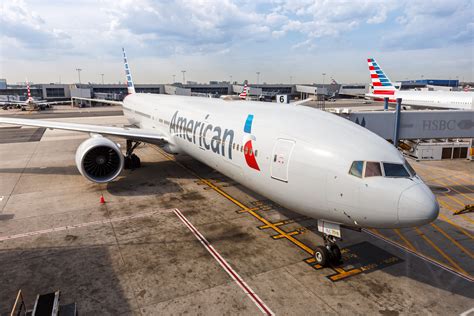
Charlotte Douglas International Airport (CLT), traditionally known for its robust domestic operations, has gradually matured into a key player in international travel. With the launch of daily nonstop service to Athens, the airport elevates its status as a transatlantic gateway. American Airlines’ use of its Boeing 777-200 aircraft on this route introduces wide-body international service directly into the Southeastern U.S. market—a notable evolution in the region’s aviation landscape.
The Boeing 777 offers a three-class configuration, including lie-flat Flagship Business seats, Premium Economy with enhanced legroom and service, and Main Cabin seating equipped with personal entertainment systems and Wi-Fi capabilities. This setup ensures that passengers across all classes experience a comfortable, long-haul journey, whether traveling for leisure or business.
The flight departs Charlotte around midday, providing a well-timed arrival in Athens to allow for onward travel to Greece’s renowned islands or cultural landmarks within the capital. The schedule is designed for daily frequency throughout the summer, with potential for adjustments depending on seasonal demand and operational logistics.
American Airlines Strengthens Its Position in the Mediterranean Market
American Airlines has long recognized the strategic value of Mediterranean destinations, and Athens has been central to its European expansion. The airline already operates nonstop services to Athens from New York JFK, Philadelphia, and Chicago O’Hare. The addition of Charlotte as the fourth U.S. gateway not only enhances overall capacity but also widens the accessibility net for travelers throughout the eastern and southeastern U.S.
This route is more than a convenience—it’s a response to the explosive growth in transatlantic tourism, particularly from U.S. travelers looking to immerse themselves in the culture, history, and coastlines of Southern Europe. Greece has become a focal point of this trend, drawing Americans with its mix of ancient heritage, modern luxury, and stunning natural beauty.

Why Greece—and Why Now?
In recent years, Greece has seen a record-breaking influx of American tourists, with Athens serving as both a standalone destination and a gateway to the Aegean islands. With tourism infrastructure well-developed and the Greek government actively supporting international arrivals, American Airlines’ decision aligns with both consumer trends and governmental goals.
The country’s tourism momentum accelerated post-pandemic, aided by early reopening policies and extensive marketing to U.S. travelers. Major destinations such as Santorini, Mykonos, and Crete are now high on bucket lists, and seamless access from the U.S. is a powerful drawcard. By launching the Charlotte route, American Airlines taps directly into this demand stream, capturing passengers who previously relied on indirect connections.
The timing is critical. The 2025 summer season is poised to surpass all previous records, and U.S. carriers are jockeying for position. American’s move to establish a new route to Greece not only meets demand but also strengthens its competitive posture against both domestic and European rivals.
The Broader European Strategy
The Charlotte–Athens connection is not an isolated initiative—it’s part of American Airlines’ broader network expansion across Europe. In addition to the new Greek route, the airline has ramped up service to Rome, Madrid, Venice, and Milan, leveraging its multiple U.S. hubs to distribute traffic efficiently across the continent.
Moreover, 2025 will witness the return of several high-demand seasonal routes, including services to Copenhagen, Naples, and Nice. Among these, the newly relaunched Chicago–Naples route is already operational, responding to pent-up demand for Southern Italian travel. These expansions point to American’s strategy of deepening its presence in high-yield leisure markets, particularly in Southern Europe, where year-over-year growth remains consistently strong.
The focus on Greece and Italy reflects a calculated shift in American Airlines’ international planning. These countries have proven resilient and attractive in the post-pandemic landscape, benefiting from diverse travel offerings—from beach resorts to cultural tourism—combined with strong brand awareness among U.S. travelers.
Charlotte’s Role in the Global Network
As one of American Airlines’ most significant domestic hubs, Charlotte plays a crucial role in the airline’s global connectivity strategy. The airport serves as a major feeder point, with dozens of regional and national connections funneling passengers into its international services. The new Athens flight is a natural progression, enhancing the hub’s long-haul credentials and generating economic value for the region.
Importantly, the launch opens up international travel opportunities for a broader swath of the U.S. population—including passengers from Georgia, South Carolina, Tennessee, and Virginia—who can now access Europe without flying through congested coastal airports like JFK or Atlanta.

Competitive Positioning in a Shifting Landscape
The aviation industry is undergoing a seismic shift. As travelers demand faster, more direct connections, legacy carriers like American are reshaping their networks to meet the moment. The Charlotte–Athens route represents not only a response to current market conditions but a future-focused bet on evolving travel behaviors.
By decentralizing its transatlantic operations—moving beyond New York, Miami, and Dallas—American Airlines gains the ability to nimbly serve new markets and respond faster to demand fluctuations. This strategy improves aircraft utilization, enhances customer satisfaction through shorter travel times, and places American ahead of the curve in the post-pandemic recovery cycle.
Additionally, the airline benefits from its Oneworld alliance and codeshare partnerships, which allow for seamless onward connections across Europe and the Middle East from Athens, further increasing the value proposition for international travelers.
Delivering Premium Travel Experience on Long-Haul Routes
Onboard the Charlotte–Athens flight, passengers can expect modern amenities designed for transatlantic comfort. The Boeing 777-200 aircraft is equipped with:
- Flagship Business class, featuring lie-flat seats, direct aisle access, chef-curated meals, and premium lounges.
- Premium Economy, offering wider seats, enhanced dining, and dedicated check-in.
- Main Cabin with seatback entertainment, high-speed Wi-Fi, and complimentary meals and beverages.
These amenities ensure that American Airlines remains competitive not just on route access, but also on passenger experience, an increasingly decisive factor in airline choice—especially for long-haul leisure travelers.
A New Era for U.S.–Greece Air Travel
The introduction of nonstop flights from Charlotte to Athens ushers in a new era of accessibility between the U.S. Southeast and Greece, solidifying American Airlines’ role as a transatlantic leader. The strategic expansion is deeply rooted in market data, passenger behavior, and a clear vision for future growth.
As international travel continues to surge, and as Americans seek out more meaningful and immersive destinations, airlines that adapt with strategic route development and superior service delivery will define the future of global aviation. In this context, American Airlines’ Charlotte–Athens route is more than a milestone—it is a template for modern, demand-driven international air travel.